EC launches special drive to restore names dropped during SIR
Source Entity
AADRITA HALDER
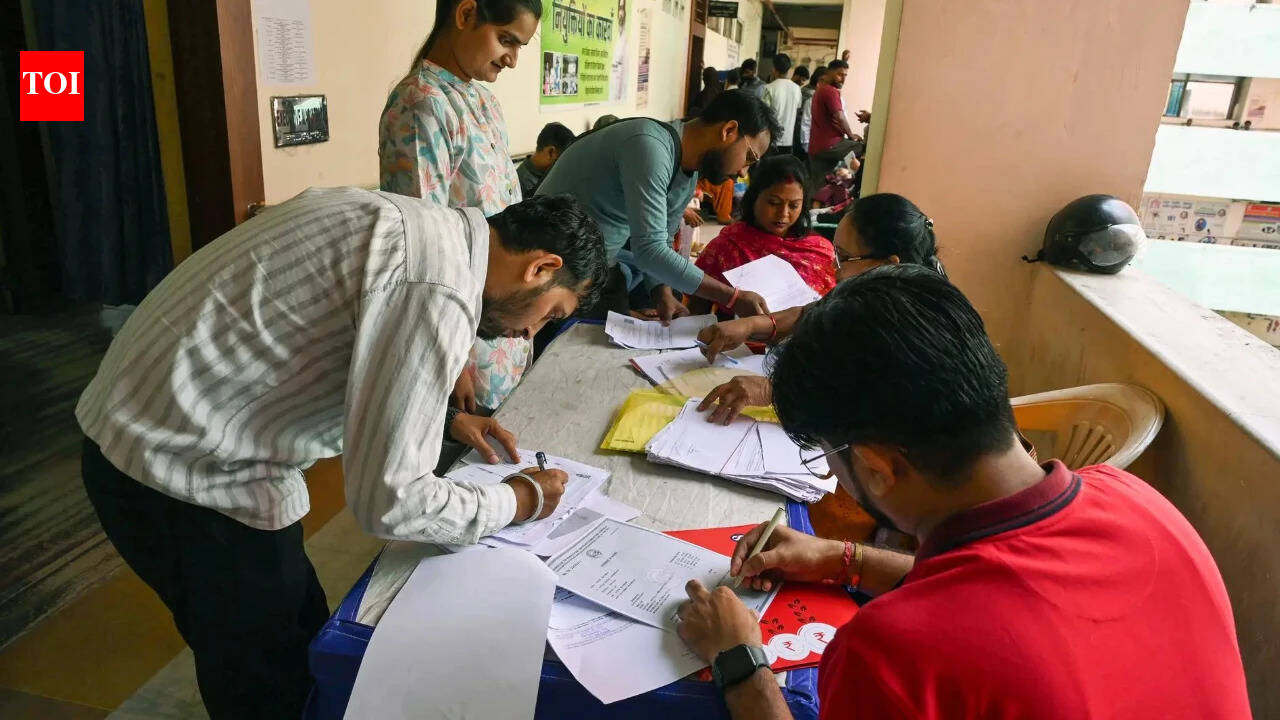
The Election Commission has launched a special drive to re-enrol genuine voters inadvertently removed during the Special Intensive Revision process. Booth Level Officers will conduct door-to-door verification to assist affected citizens and first-time voters using Form 6.
Election Commission Initiates Corrective Voter Drive
The Election Commission of India (ECI) has officially ordered a corrective special drive aimed at rectifying electoral roll discrepancies that occurred during the recent Special Intensive Revision (SIR) process. This initiative, spanning 20 states, is designed to identify and re-enrol genuine electors who were erroneously deleted from the rolls. By acknowledging that administrative errors can occur during large-scale roll revisions, the Commission is taking proactive steps to maintain the integrity of the democratic process.
Addressing the Scope of Deletions
According to official data, the SIR process resulted in the deletion of approximately 10% of electors per booth, with each booth typically accounting for 800-900 voters. Consequently, Booth Level Officers (BLOs) are now tasked with verifying the eligibility of fewer than 100 voters per booth who were marked as deleted. This manageable scope suggests that the ECI is prioritizing precision and localized verification to ensure no legitimate citizen is disenfranchised ahead of upcoming electoral exercises.
Mechanism of the Drive
To facilitate this correction, the ECI has mandated that BLOs visit the homes of those previously listed as missing or deleted. Citizens are encouraged to utilize Form 6 to apply for inclusion. In states like Gujarat, the Chief Electoral Officer has already mobilized District Election Officers and Collectors to organize registration drives over four consecutive Sundays, ensuring that the process remains accessible to the working population and first-time voters aged 18-19.
The 'Continuous Updation' Framework
This initiative operates under the ECI's 'Continuous Updation' policy, which allows for electoral roll maintenance outside of the intense SIR periods. By clarifying that the current phase is a 'Non-SIR' period, the commission is providing a clear legal pathway for citizens to rectify their status. This administrative flexibility is crucial for maintaining accurate rolls in a dynamic electorate where migration, age-eligibility, and clerical errors constantly fluctuate.
Implications for Democratic Participation
Beyond mere clerical correction, this drive serves as a vital safeguard for universal suffrage. By specifically targeting the 18-19 age demographic and those left out during the SIR, the ECI is aiming to increase voter turnout and ensure that the electoral roll reflects the current ground reality. The move mitigates the risk of voter suppression, whether accidental or systemic, thereby reinforcing public trust in the electoral machinery.
Future Trends in Electoral Management
Looking forward, this drive signals a shift toward more granular, year-round management of voter databases. As the ECI continues to refine its digital and field-based verification methods, the reliance on massive, periodic SIR drives may evolve into a more seamless, ongoing integration of data. This methodology will likely reduce the shock of mass deletions in future cycles and improve the overall user experience for the Indian voter.
Multiple Citing Sources