Deadline extended for final SIR rolls, filing claims in 6 states
Source Entity
Damini Nath
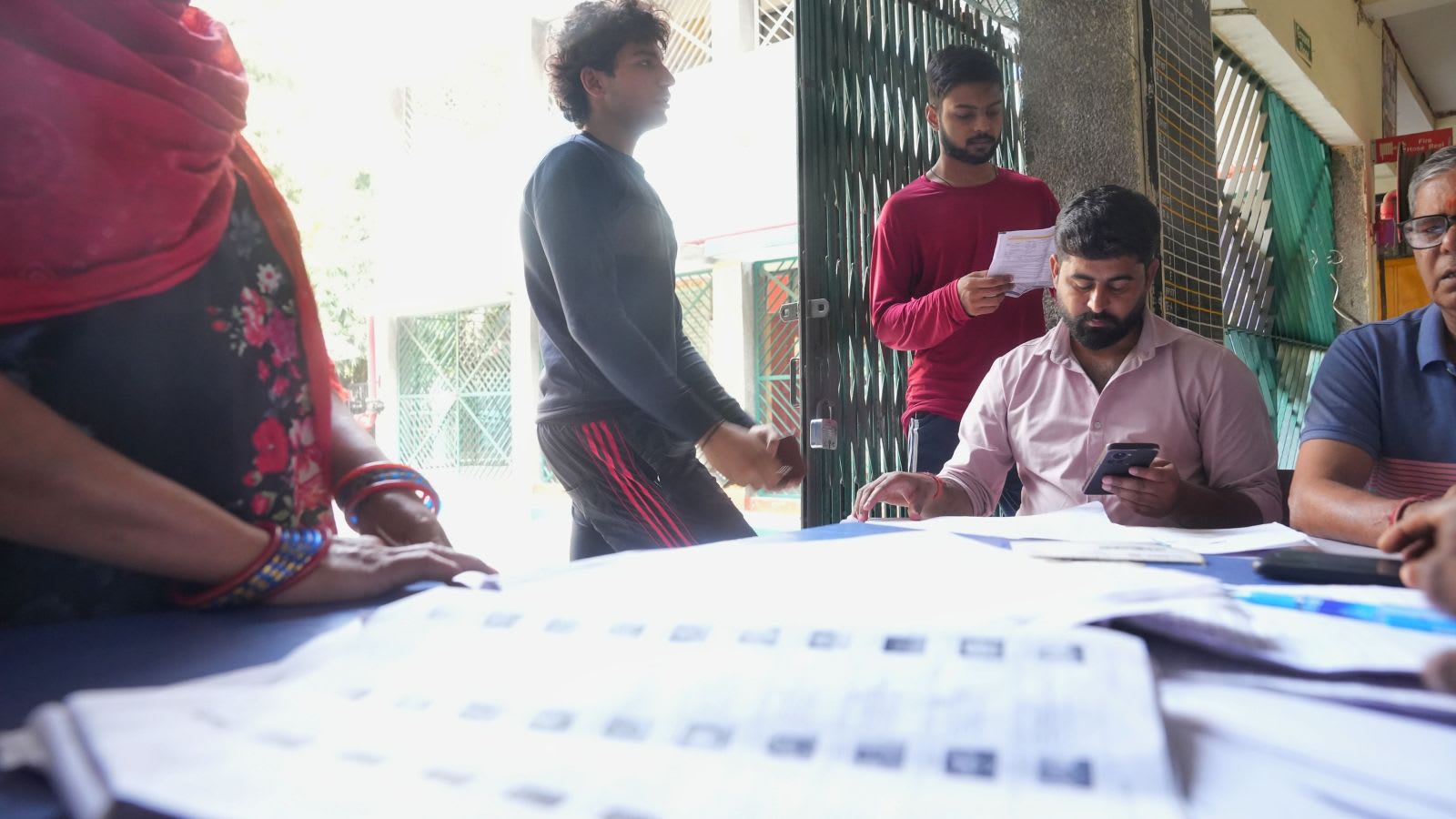
The Election Commission of India has extended deadlines for the Special Intensive Revision (SIR) of electoral rolls across six states. The adjustments, including a November 30 cutoff for Telangana, follow requests to ensure more comprehensive voter registration.
ECI Extends Electoral Roll Revision Deadlines Across Six States
Strategic Adjustments to Voter Registration
The Election Commission of India (ECI) has officially moved the timelines for the Special Intensive Revision (SIR) of electoral rolls in six key states: Delhi, Maharashtra, Andhra Pradesh, Telangana, Haryana, and Nagaland. This administrative shift, announced on a Thursday, effectively pushes back the critical windows for filing claims and objections, which were originally slated to conclude on October 30.
Localized Impacts and Administrative Rationale
In the specific case of Telangana, the ECI has granted a three-week extension, moving the final publication date of the electoral rolls from November 9 to November 30. This decision was prompted by a formal request from the Chief Electoral Officer of Telangana, C. Sudharsan Reddy, who communicated the necessity for more time in an October 29 letter. Consequently, the period for the disposal of claims and objections in the state has been extended to November 26.
Ensuring Electoral Integrity
The extension serves as a vital safeguard for the democratic process. By allowing more time for the filing of claims and objections, the ECI ensures that citizens have adequate opportunity to verify their details, report discrepancies, and register as new voters. The SIR process is a foundational exercise in maintaining an accurate and inclusive electoral roll, which is the bedrock of any free and fair election in India.
Broader Implications for State Governance
While the primary goal of the SIR is administrative accuracy, these extensions have significant political and social implications. In states like Maharashtra and Delhi, where electoral participation is high, a robust roll revision process is essential for reflecting the current demographic landscape. The ECI's willingness to adjust schedules based on state-specific requests highlights a flexible, responsive approach to managing the massive logistical undertaking of maintaining voter databases for millions of citizens.
Historical Context and Future Trends
Historically, the ECI has utilized the SIR mechanism to clean up electoral rolls, remove duplicates, and incorporate newly eligible voters who have reached the age of 18. As India moves toward more digitized and integrated data systems, the ECI's focus remains on balancing speed with precision. The current trend suggests that the Commission prioritizes procedural thoroughness—even at the cost of slight timeline delays—to prevent disenfranchisement and maintain public trust in the electoral system.
Conclusion
The extension of the SIR deadlines represents a commitment to electoral inclusivity. By providing citizens in these six states additional time to participate in the revision process, the ECI is proactively addressing potential gaps in the voter registry. As the revised deadlines approach, the focus will shift to the final publication of these rolls, marking a crucial step in preparing these states for upcoming electoral cycles.
Multiple Citing Sources