Details of software used in SIR exempt from RTI, Election Commission cites 'trade secrets'
Source Entity
Latest News: Todays Latest News Headlines from India & World | Hindustan Times | Hindustan Times
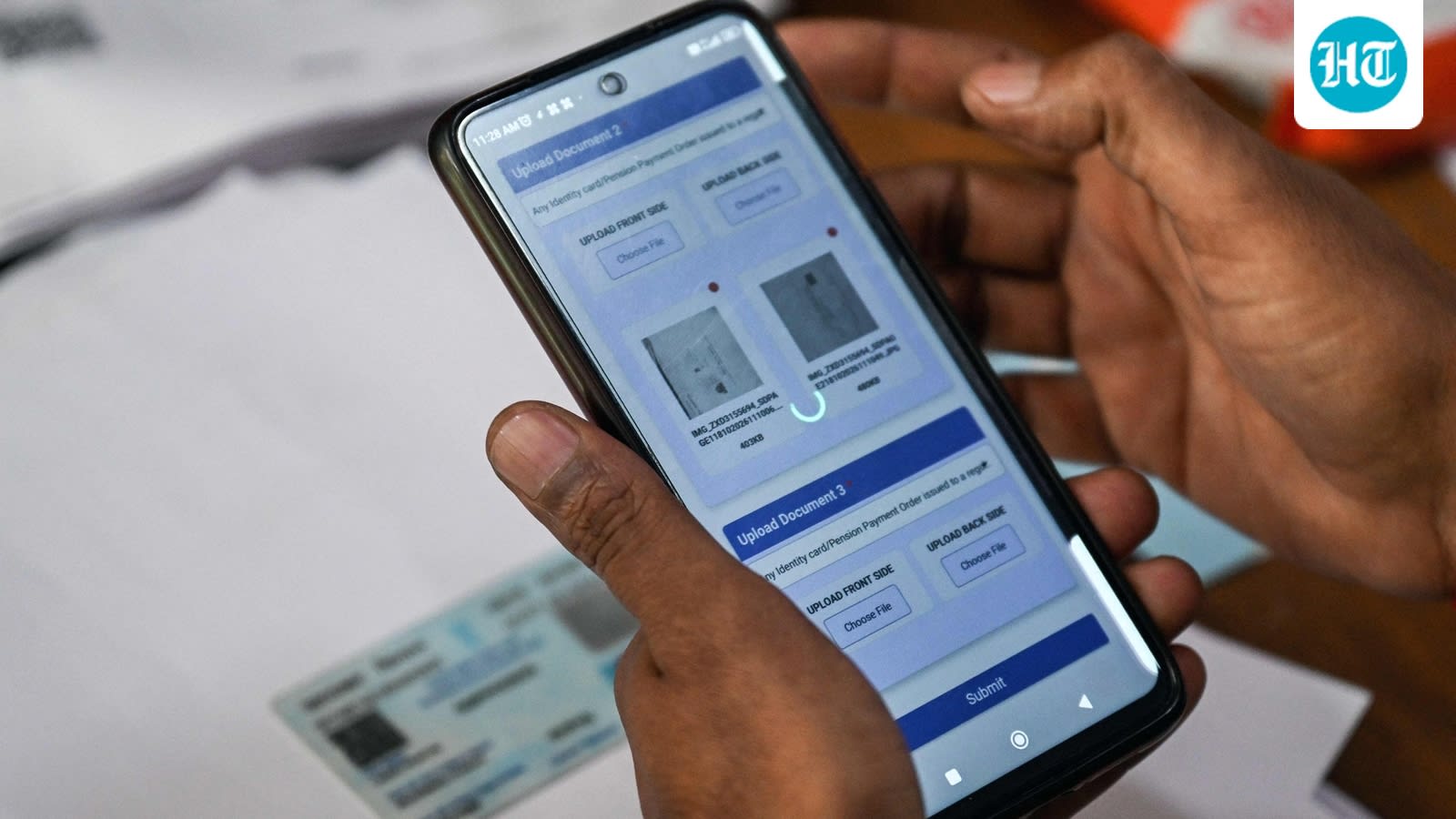
The Election Commission of India has refused to disclose software details used in voter roll revisions, citing trade secrets and commercial confidentiality. The ECI maintains that no new software was procured and that local officers retain final authority over electoral list decisions.
Transparency vs. Trade Secrets: The ECI's Stance on Voter Roll Software
The Election Commission of India (ECI) has sparked a significant debate regarding the intersection of administrative transparency and intellectual property rights. By invoking the Right to Information (RTI) Act's exemptions for "commercial confidence, trade secrets, and intellectual property," the ECI has refused to disclose the specific name and version of the software utilized during the Special Intensive Revision (SIR) of voter rolls. This refusal highlights the growing tension between the public's right to audit the integrity of electoral processes and the administrative protections afforded to technological tools.
The Context of the SIR Controversy
The SIR exercise is a critical component of maintaining the health of India's electoral democracy. It involves the meticulous process of updating voter rolls, including the addition of new voters and the deletion of those who are deceased or have moved. However, recent allegations of irregularities and anomalies in these rolls have put the ECI under intense public scrutiny. Critics argue that without full transparency regarding the automated systems used to flag "anomalies," it is impossible to verify whether the process is free from bias or technical error.
ECI's Defense: Human Oversight
In its defense, the ECI has clarified that no new software was specifically developed or procured for this particular SIR cycle. Furthermore, the Commission emphasizes that the software serves only as a supportive tool rather than a final arbiter. According to the ECI, the ultimate power to include or exclude an elector rests with the constituency-level Electoral Registration Officers (EROs). By positioning the software as a guidance mechanism rather than a decision-making engine, the ECI aims to shift the focus from technological black boxes to human institutional accountability.
Broader Implications for Electoral Integrity
The reliance on software to manage massive datasets in a country the size of India is inevitable, yet it introduces new risks regarding data integrity and algorithmic accountability. When the ECI cites "trade secrets," it underscores a reliance on third-party vendors whose proprietary code may influence the composition of the electorate. If the underlying logic of these tools is shielded from public view, it becomes difficult for political stakeholders and civil society to challenge or validate the accuracy of the electoral rolls, potentially eroding public trust in the democratic process.
Historical Context and Future Trends
Historically, the ECI has been seen as the gold standard for independent election management. However, as the digitization of electoral rolls progresses, the demand for algorithmic transparency is likely to grow. Future trends will likely see increased litigation and legislative pressure to balance intellectual property protections with the democratic necessity of verifying electoral data. The current impasse suggests that the ECI may need to develop a framework where security audits can be conducted by independent observers without compromising the underlying proprietary software architecture.
Conclusion
The ECI's refusal to release details on its software is a stark reminder of the challenges posed by modernizing election infrastructure. While the Commission maintains that human oversight remains the bedrock of the registration process, the opacity surrounding the tools used to identify anomalies continues to be a point of friction. Moving forward, the ECI must navigate the delicate balance between protecting its technological assets and ensuring that the Indian electorate remains confident in the absolute fairness of the voter roll revision process.
Verification Required?