Tavleen Singh writes: Rahul Gandhi, a real leader now?
Source Entity
Tavleen Singh
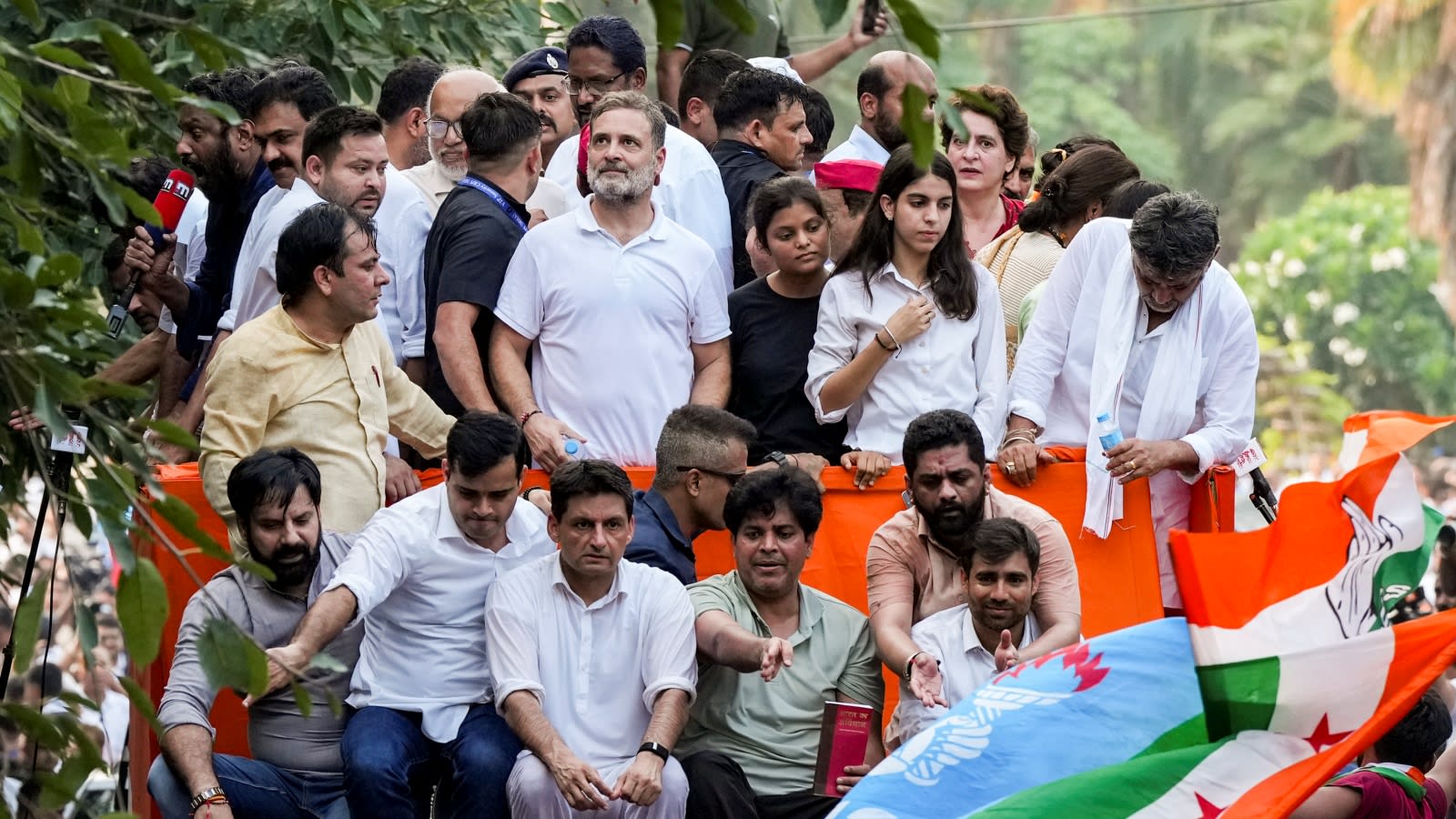
Veteran columnist Tavleen Singh examines the evolving political persona of Rahul Gandhi amidst the polarized landscape of Indian discourse. The analysis highlights the challenges of objective political commentary in an environment dominated by intense social media scrutiny.
The Perils of Political Commentary in Modern India
Writing political commentary in India has become an increasingly fraught endeavor, as noted by veteran columnist Tavleen Singh. With four decades of experience, Singh observes that the modern political landscape is characterized by a demand for total partisan loyalty. Political leaders and their respective supporters often view any form of critique as a personal or ideological attack, rather than a necessary component of a healthy democratic process.
The Polarization of Public Discourse
The environment surrounding political critique is defined by a binary pressure: praise or hostility. Singh details how social media has transformed into a battlefield where balanced, objective analysis is frequently misinterpreted or weaponized. Whether addressing the Prime Minister or the Gandhi family, the columnist faces immediate vitriol from organized digital factions. This dynamic reflects a broader trend in Indian politics where the middle ground is rapidly disappearing, and nuance is sacrificed for tribalism.
The 'Durbari' and 'Dynasty' Narratives
Central to the criticism leveled at journalists are long-standing tropes used to discredit dissent. Those who critique the ruling party are often labeled as 'durbaris'—suggesting an subservient relationship to the opposition—while those who critique the Congress party are accused of harboring deep-seated bias or personal hatred. These labels serve to deflect from the actual content of the critique, forcing the discussion away from policy and toward the character of the journalist.
Challenges to Objective Criticism
The fundamental issue highlighted by Singh is the erosion of the belief in objective criticism. In the current political climate, the public and political actors alike appear to have lost faith in the possibility of a neutral perspective. This skepticism creates a chilling effect on discourse, where journalists must navigate a gauntlet of social media 'trolls' regardless of the subject matter, making the act of asking a simple, inquisitive question about a leader's growth a source of significant anxiety.
Assessing Leadership in a Toxic Environment
Against this backdrop, the question of whether Rahul Gandhi is emerging as a 'real leader' becomes difficult to analyze without triggering the very biases the columnist describes. The difficulty lies not just in the subject matter, but in the environment that demands that any analysis of a leader’s political maturity be interpreted as either an endorsement or a condemnation. This environment complicates the public's ability to assess political shifts accurately.
Conclusion: The Future of Independent Journalism
Ultimately, the experience of a veteran columnist serves as a microcosm for the state of Indian democracy. When the act of analyzing a political figure is met with accusations of bias from all sides, the quality of public debate suffers. To move forward, there must be a renewed appreciation for objective, critical analysis that does not retreat into the comfort of partisan echo chambers.