ECI team, including Maneesh Garg, visited Manipur to review poll preps
Source Entity
Latest News: Todays Latest News Headlines from India & World | Hindustan Times | Hindustan Times
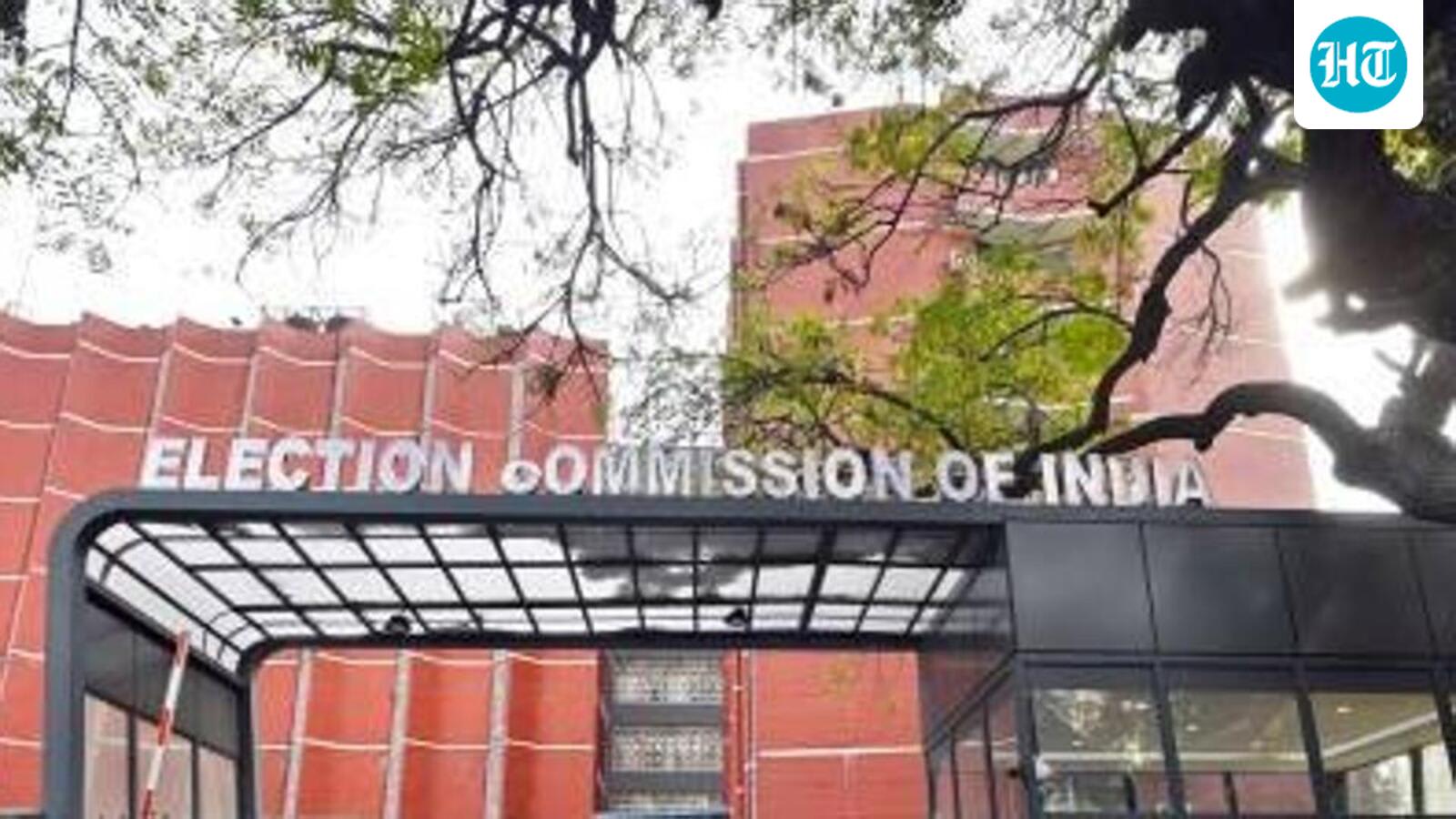
A 12-member ECI team led by senior officials visited Manipur to evaluate security and logistical preparations for upcoming assembly elections. The visit underscores the Commission's commitment to ensuring a stable environment in the state, which is currently facing civil unrest.
ECI Oversight in Manipur: Ensuring Electoral Integrity Amid Unrest
The Mission of the 12-Member Delegation
In a significant move to ensure the sanctity of the democratic process, a 12-member delegation from the Election Commission of India (ECI) recently conducted an intensive site visit to Manipur. Led by senior deputy election commissioner (DEC) Maneesh Garg, the team traveled from Delhi to the northeastern state to conduct rigorous, closed-door assessments of the electoral landscape. This visit highlights the ECI's proactive stance in managing the logistical and security-related challenges that often accompany high-stakes assembly elections in regions currently experiencing volatility.
Strategic Security and Logistical Assessment
During their visit, the ECI team engaged in critical consultations with state nodal officers to evaluate the preparedness of the electoral machinery. The focus was not merely on the technical aspects of polling but specifically on the security environment, which remains a paramount concern for the Commission. By conducting direct interactions with local authorities, the ECI aims to identify potential gaps in the administration of the upcoming polls, ensuring that every district is equipped to handle the logistical demands of the election cycle scheduled for early next year.
Contextualizing the Electoral Landscape
Manipur’s upcoming electoral cycle coincides with a broader national schedule that includes major states such as Uttar Pradesh, Punjab, Goa, and Uttarakhand. However, unlike these counterparts, Manipur faces unique challenges stemming from ongoing violence and civil instability. The presence of senior officials like Maneesh Garg underscores the ECI’s awareness that the standard operating procedures for elections must be adapted to account for the specific security dynamics of a state currently navigating significant internal conflict.
Administrative Challenges and Continuity
While the 12-member team was comprehensive, the last-minute cancellation by Director General (IT) Seema Khanna highlights the fluid nature of these high-level administrative tasks. Despite this change, the mission remained focused on its primary objectives: oversight, coordination, and contingency planning. The ability of the ECI to pivot and maintain its investigative schedule reflects a robust institutional framework designed to prioritize the continuity of the electoral process regardless of internal staff adjustments.
Broader Implications for Democratic Stability
The ECI’s visit to Manipur is a critical component of its broader mandate to uphold free and fair elections across India. By proactively assessing the ground reality, the Commission is signaling its dedication to mitigating risks that could disenfranchise voters or undermine the legitimacy of the results. As the country approaches the next round of assembly elections, the findings from this delegation will likely inform the deployment of security forces and the implementation of specific electoral safeguards tailored to the needs of the state.
Conclusion: Looking Toward the Future
As the state prepares for the upcoming assembly polls, the ECI’s onsite review serves as a vital safeguard. The transition from planning to execution will require sustained vigilance, particularly as the political climate intensifies leading up to the election dates. The ECI’s commitment to thorough, pre-poll assessment is essential for fostering public trust and ensuring that the democratic exercise in Manipur proceeds with the necessary security and administrative oversight required for a representative outcome.
Verification Required?