Telangana SIR: Form-6 rejections and Form-7 deletions unusually high during pre-SIR period
Source Entity
India Latest News: Top National Headlines Today & Breaking News | The Hindu
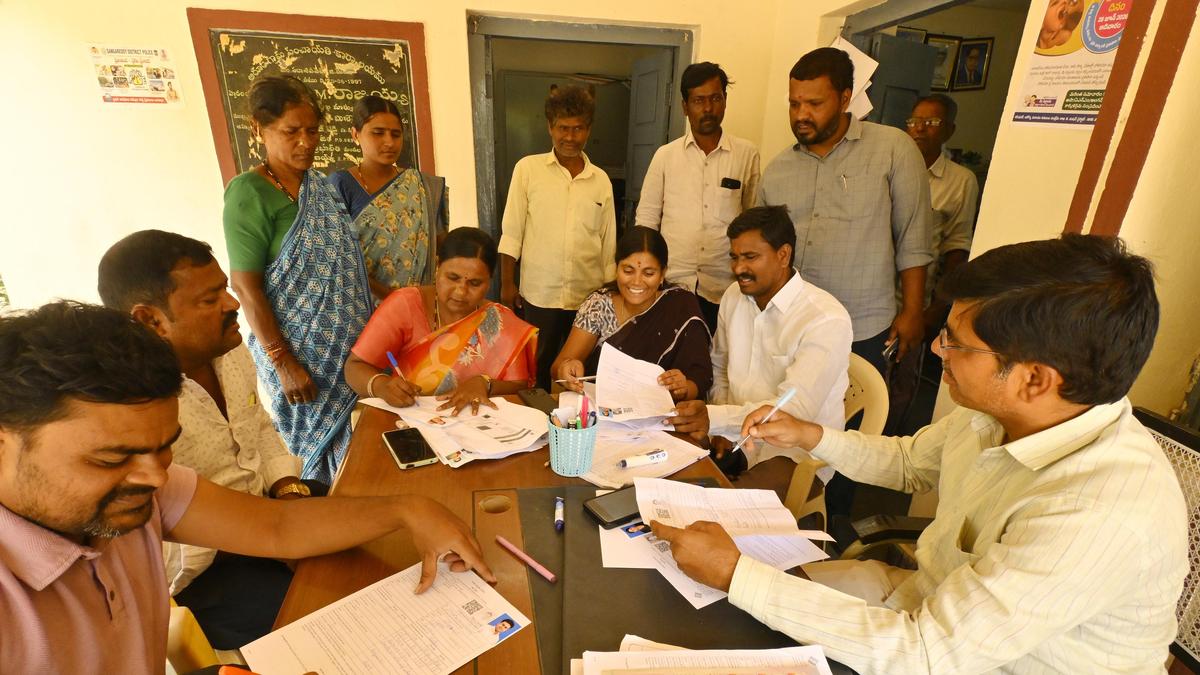
Telangana's recent Special Intensive Revision of electoral rolls has sparked controversy due to high application rejection rates and public distrust in the process. Citizens and social media users are challenging the official claims made by the Chief Electoral Officer regarding the integrity of voter data.
The Integrity Crisis: Telangana's Electoral Roll Revision
The recent Special Intensive Revision (SIR) of electoral rolls in Telangana has ignited a firestorm of controversy, casting doubt on the democratic process of voter registration. With rejection rates for Form-6 applications—the primary mechanism for new voter enrollment—reaching an alarmingly high 27%, questions regarding the inclusivity and transparency of the Election Commission's efforts have moved to the forefront of public discourse.
Analyzing the Statistical Anomalies
Between January 1, 2026, and June 14, 2026, the state processed over 1.07 million Form-6 applications across 119 constituencies. The fact that nearly one-third of these applications were rejected during the pre-SIR and SIR phases suggests a systemic breakdown in either the application process or the verification standards. This high attrition rate risks disenfranchising a significant portion of the electorate, potentially leaving genuine voters off the final rolls and undermining the legitimacy of upcoming electoral cycles.
The Gap Between Official Claims and Public Reality
Chief Electoral Officer C. Sudharsan Reddy has defended the process, asserting that Booth Level Officers (BLOs) conducted thorough house-to-house visits and followed all established guidelines. According to the CEO, draft rolls were prepared only after diligent inquiry. However, this narrative stands in stark contrast to the lived experience of many citizens who have taken to social media to dispute these claims, alleging that they never received enumeration forms and that the promised house-to-house visits were either insufficient or nonexistent.
The Social Media Backlash and Legal Threats
The public pushback has been swift and severe, with many citizens labeling the revision process a "sham." This digital outcry is not merely performative; it carries tangible threats of legal intervention. When citizens feel that their fundamental right to vote is being curtailed by bureaucratic inefficiency or administrative errors, the resulting loss of faith in institutional processes can lead to long-term civic disengagement and heightened political instability.
Implications for Future Elections
Looking ahead, the high number of deletions and rejections poses a significant hurdle for the Election Commission. If a large segment of the population remains excluded, the final rolls will fail to accurately reflect the state's demographics. To restore public confidence, the authorities must address the discrepancies between the official reports of "due enquiry" and the widespread reports of missing enumeration forms. Without a transparent audit or a corrective mechanism for those wrongly excluded, the shadow of this controversy may persist through future polling days.
Conclusion
In summary, the Telangana SIR process has highlighted a critical disconnect between administrative claims and ground-level realities. Whether this stems from procedural failure or data mismanagement, the 27% rejection rate is a metric that demands immediate scrutiny. The path forward requires an urgent, transparent review to ensure that every eligible voter is accounted for, thereby preserving the integrity of the democratic mandate.
Verification Required?