Committed to ensure all inconsistencies in voter lists are addressed: EC to SC
Source Entity
VIVEK DUBEY
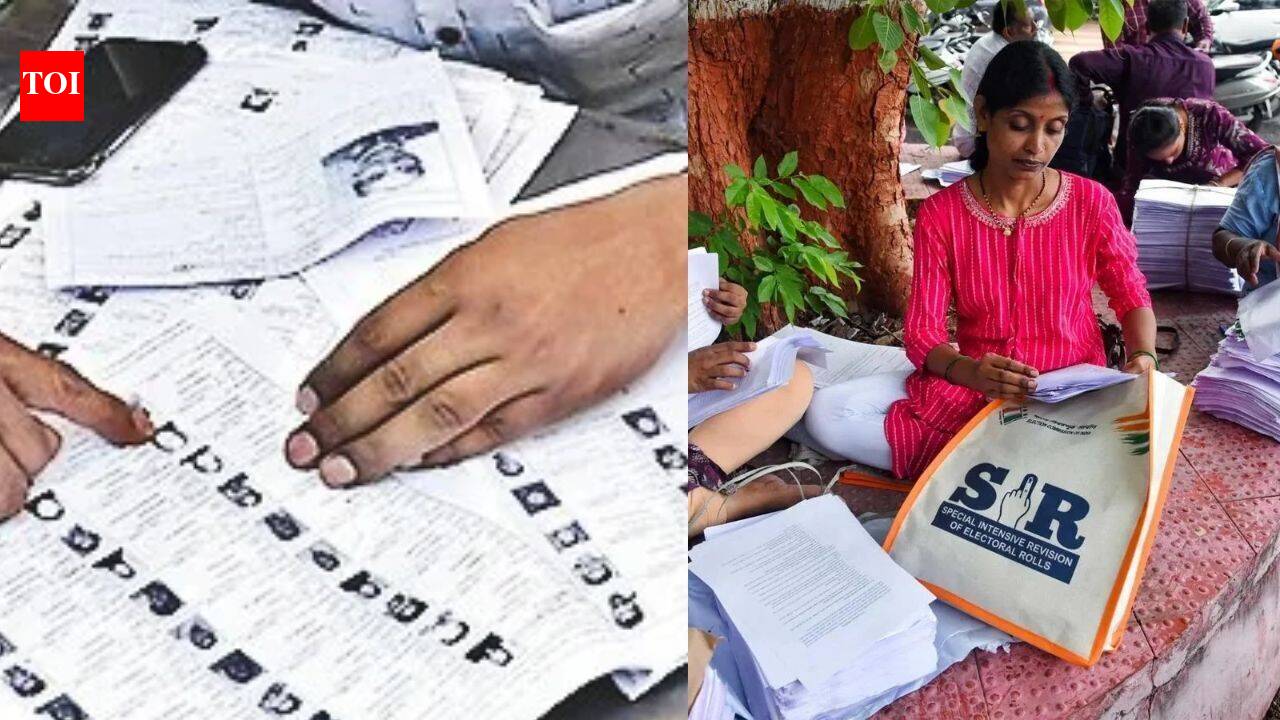
The Election Commission of India has informed the Supreme Court that it will allow voters excluded during the Special Intensive Revision process to submit forms based on their current residence. This move aims to ensure electoral roll accuracy and protect the voting rights of citizens.
Ensuring Electoral Integrity: The ECI’s Response to Voter Roll Inconsistencies
Upholding Constitutional Mandates
The Election Commission of India (ECI) has reaffirmed its commitment to the purity of the electoral process in a recent submission to the Supreme Court. By emphasizing that protecting the voting rights of eligible citizens is a primary constitutional responsibility, the ECI has signaled a proactive stance on addressing anomalies within electoral rolls. This commitment serves as the cornerstone of democratic legitimacy, ensuring that the foundational document of any election—the voter list—remains both accurate and inclusive.
Addressing the Special Intensive Revision (SIR) Challenges
In states and Union Territories currently undergoing the Special Intensive Revision (SIR), the ECI has introduced a significant procedural adjustment. The commission informed the Supreme Court that individuals previously excluded from draft electoral rolls due to the non-submission of enumeration forms will now be granted an opportunity to submit forms based on their current ordinary residence. This policy shift is a direct response to concerns regarding the disenfranchisement of citizens who may have been caught in the administrative complexities of the revision process.
Managing ASDD Voter Categories
A critical component of the ECI’s submission involved the management of ASDD (Absent, Shifted, Dead, or Duplicate) voters. Following court proceedings on October 28 regarding the Delhi SIR, the commission was prompted to explore more robust methods to reach out to these specific demographics. By addressing the 'Absent' and 'Shifted' categories with renewed focus, the ECI is working to minimize clerical errors that often lead to the unintended removal of legitimate voters from the rolls.
Collaborative Oversight and Judicial Scrutiny
The joint affidavit, filed by Chief Election Commissioner Gyanesh Kumar and Election Commissioners Sukhbir Singh Sandhu and Vivek Joshi, underscores the collaborative nature of this initiative. This level of transparency in the face of judicial scrutiny highlights the ongoing dialogue between the judiciary and the poll body. Such interaction is essential for maintaining public trust, as it ensures that administrative processes remain subject to legal standards of fairness and accessibility.
Broader Implications for Electoral Participation
The implications of these measures extend far beyond simple administrative updates. By simplifying the process for excluded voters to rectify their status, the ECI is effectively lowering the barrier to entry for the democratic process. Future trends in electoral management suggest a move toward more dynamic and responsive databases; the ECI’s current efforts represent a significant step toward modernizing how India tracks its electorate in a highly mobile society.
Conclusion: A Path Toward Future Accuracy
Ultimately, the ECI’s latest directives to the Supreme Court represent a balance between maintaining the 'purity' of the rolls—preventing fraud and duplicates—and ensuring that no eligible citizen is left behind. As the ECI continues to refine its outreach and verification protocols, the focus remains on sustaining the integrity of the world's largest democratic exercise, ensuring that every valid vote can be cast with confidence.