8 US Marines hurt in previously unreported Iranian strikes; possible brain injuries
Source Entity
PRISHA PATNAIK
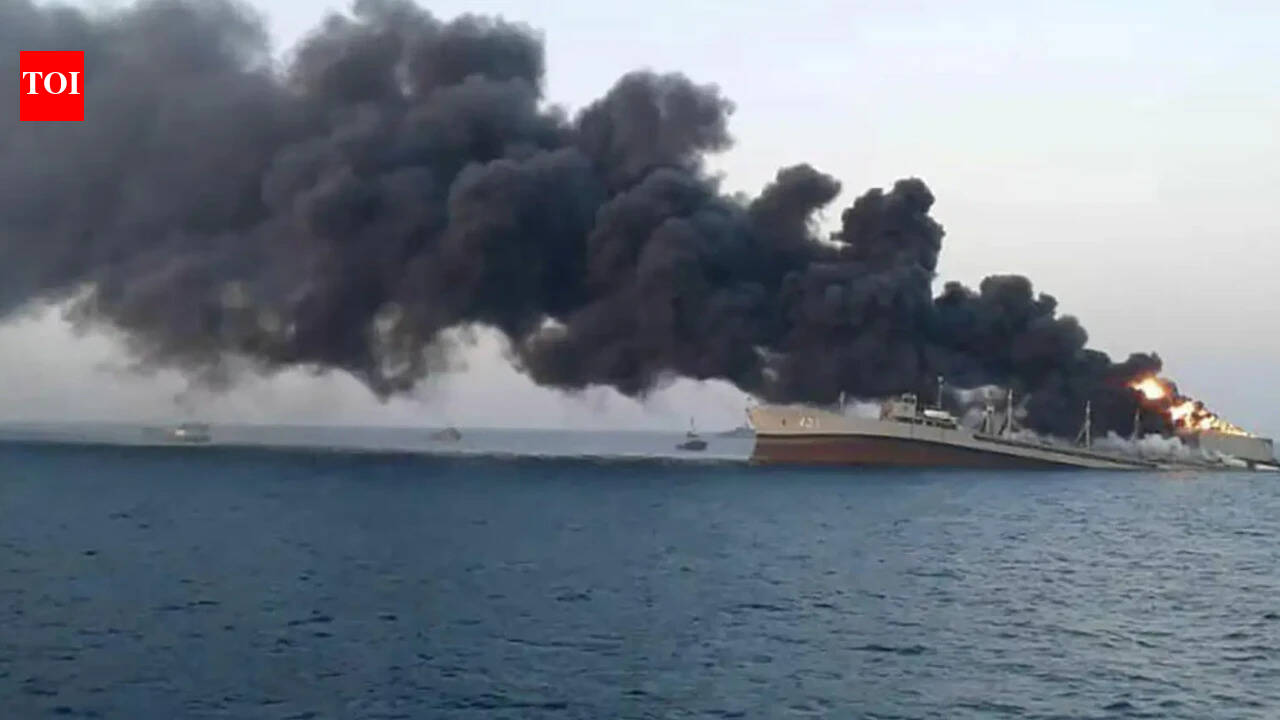
Eight U.S. Marines sustained injuries, including potential traumatic brain injuries, during a previously undisclosed strike in the Strait of Hormuz on September 14. While all personnel returned to duty, the incident has raised significant questions regarding Pentagon transparency and casualty reporting.
Analysis of the September 14 Strait of Hormuz Incident
The Incident and Immediate Aftermath
On September 14, an undisclosed strike in the strategically vital Strait of Hormuz resulted in injuries to eight U.S. Marines. The personnel, consisting of seven enlisted members and one officer, were serving as part of a battalion landing team at the time of the impact. While the report confirms that the vessel struck was not a U.S. Navy ship, the proximity of these Marines to the attack highlights the persistent risks faced by military personnel operating in one of the world's most critical maritime chokepoints.
Medical Implications and Personnel Status
Although initial reports indicate that none of the Marines suffered life-threatening wounds, the nature of their injuries—specifically smoke inhalation and concussion-like symptoms—is concerning. Officials have noted that some of these individuals may have sustained traumatic brain injuries (TBIs). The fact that all eight personnel returned to duty shortly after the event suggests a rapid tactical recovery, yet the long-term health implications of even mild TBIs remain a subject of intense medical scrutiny within the Department of Defense.
Scrutiny of Pentagon Reporting
This incident has brought Pentagon casualty reporting practices under renewed scrutiny. The revelation that the attack went previously unreported raises questions regarding the transparency of military communication in high-tension regions. When military leadership faces challenges in disclosing injuries promptly, it often triggers broader debates about the clarity of operational security versus the public’s right to know about the welfare of deployed forces in contested waters.
Geopolitical Context of the Strait of Hormuz
The Strait of Hormuz remains a flashpoint for international conflict, serving as a primary transit route for global energy supplies. Historical patterns of aggression in this region have frequently involved non-state actors or state-sponsored proxies utilizing missile and drone technology to harass maritime traffic. The September 14 strike serves as a reminder that regional instability can have immediate, kinetic consequences for U.S. forces, even when they are not stationed on traditional naval platforms.
Broader Strategic Implications
This event underscores the evolving nature of maritime security, where the distinction between military and civilian vessels can become blurred during regional escalations. As the U.S. continues to maintain a presence in the Middle East to ensure freedom of navigation, the risk of asymmetric attacks against battalion landing teams and other specialized units remains high. Future trends suggest that the Pentagon will need to refine its reporting protocols to ensure that minor, non-combat-ending injuries are categorized and communicated with greater consistency to maintain institutional credibility.
Conclusion
In summary, the injuries sustained by the eight Marines during the September 14 strike represent a significant, albeit previously obscured, security event. While the immediate operational impact was minimized by the personnel's return to duty, the incident highlights ongoing challenges in regional threat assessment and the complexities of military transparency in an era of persistent, low-level conflict.