49 killed in Myanmar as junta carries airstrikes in rebel-controlled Rakhine
Source Entity
KANCHAN YADAV
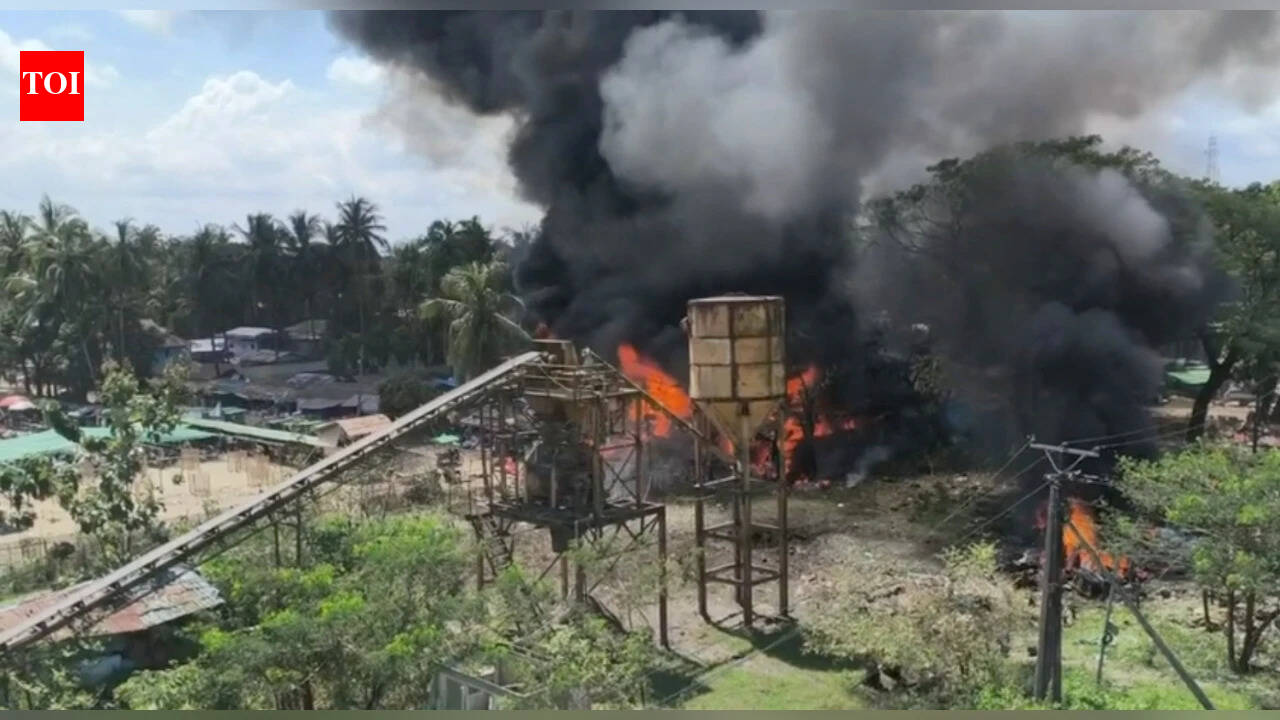
A Myanmar military airstrike on a market in the rebel-held Kyauktaw township of Rakhine state has killed at least 49 people. The Arakan Army has vowed retaliation following the attack, which left dozens more injured.
The Escalation of Conflict in Rakhine State
The recent airstrike in Myanmar’s Rakhine state marks a devastating escalation in the ongoing civil conflict that has plagued the nation since the 2021 military coup. On Monday, a Myanmar military fighter jet targeted a local market in Kyauktaw township, a region currently under the control of the Arakan Army. This tactical strike, which resulted in the deaths of at least 49 civilians and left 58 others injured, underscores the military junta's increasing reliance on aerial bombardment to counter ethnic armed organizations.
The Human Cost and Tactical Impact
The choice of a marketplace as the target for two aerial bombs highlights the indiscriminate nature of the military's current offensive strategy. By striking a commercial hub during the day, the junta has caused significant casualties among non-combatants, including local vendors, shoppers, and pedestrians. With 22 of the 58 injured victims reported to be in critical condition, the death toll is expected to rise as medical facilities in the region struggle to manage the influx of trauma cases under the constraints of an active conflict zone.
The Role of the Arakan Army
Kyauktaw township, located approximately 340 km west of Mandalay, remains a strategic stronghold for the Arakan Army. As one of the most powerful ethnic armed groups in Myanmar, the Arakan Army has effectively challenged the junta's authority in western Rakhine. Their subsequent threat of retaliation suggests that this incident will not be viewed as an isolated tragedy but rather as a catalyst for further hostilities. The military's attempt to degrade the rebels' operational capacity through air power has clearly intensified the cycle of violence.
Broader Implications for Myanmar
The strike is emblematic of the junta’s broader military doctrine, which prioritizes the use of air superiority to compensate for losses on the ground against increasingly organized resistance forces. By targeting civilian infrastructure in rebel-held areas, the military aims to erode the legitimacy and administrative reach of groups like the Arakan Army. However, such actions historically serve to harden public resolve against the central government, further complicating any potential path toward national reconciliation or peace.
Future Trends and Regional Stability
Looking ahead, the situation in Rakhine remains highly volatile. The promise of retaliation by the Arakan Army indicates that the conflict will likely expand in intensity. As the junta continues to face pressure on multiple fronts across the country, the use of airstrikes against civilian-dense areas creates a precarious environment for humanitarian aid and regional stability. Observers should anticipate further military posturing and potential counter-attacks, as neither the junta nor the ethnic armed groups appear willing to de-escalate in the current political climate.
Conclusion
This tragic event in Kyauktaw highlights the brutal reality of the conflict in Myanmar, where civilians bear the brunt of the struggle for territorial control. The loss of 49 lives in a single incident is a stark reminder of the humanitarian crisis unfolding in Rakhine. As the Arakan Army prepares its response, the international community faces a renewed challenge in monitoring a conflict defined by escalating violence and a profound disregard for civilian safety.