Amid row over declaration by voters, EC officials say 2.37 crore new electors added in 18-28 age group
Source Entity
Latest News: Todays Latest News Headlines from India & World | Hindustan Times | Hindustan Times
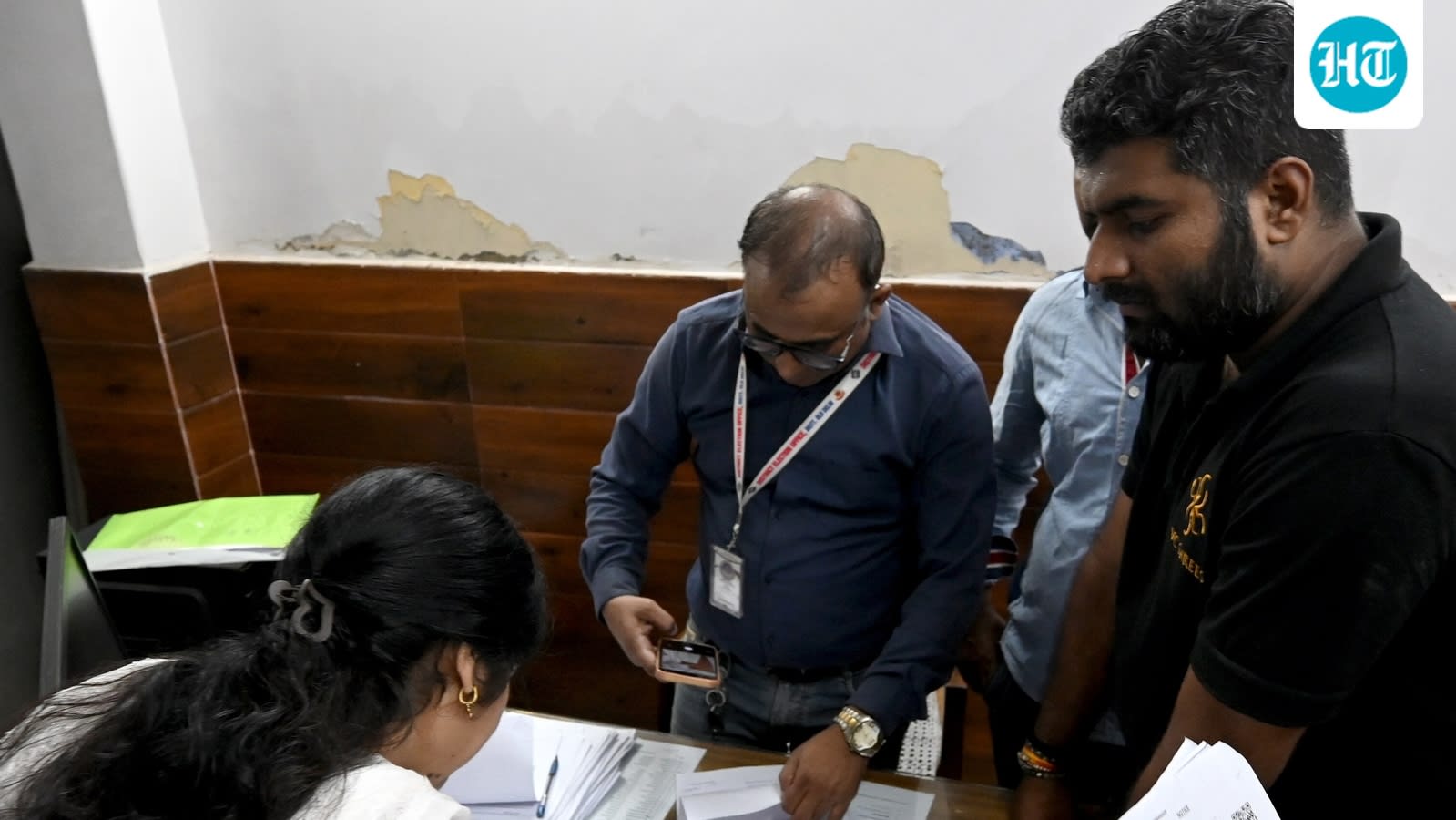
The Election Commission has added over 2.37 crore young voters since the Special Intensive Revision (SIR) began in 2025. Despite controversy over new declaration requirements, the poll body maintains these updates are essential for maintaining accurate electoral rolls.
The Evolution of Electoral Integrity in India
The Election Commission (EC) of India has recently navigated a complex landscape regarding voter enrollment, highlighted by the addition of over 2.37 crore electors in the 18-28 age bracket since the Special Intensive Revision (SIR) exercise commenced in June 2025. This surge in young voter participation underscores the demographic weight of Gen Z in the Indian political landscape, reflecting a robust administrative effort to capture a digitally native and politically active generation.
The SIR Controversy: Balancing Transparency and Access
Central to the current discourse is the introduction of a mandatory declaration process for new voters filing Form 6. The requirement to provide parentage details and adhere to SIR protocols has sparked debate regarding the ease of access to the democratic process. Critics argue that these bureaucratic hurdles may complicate registration, yet the EC maintains that these measures are vital for ensuring the authenticity of electoral rolls and preventing fraudulent entries in a system that serves nearly a billion citizens.
Procedural Rigor: The 'VIP' Verification Process
While the public discourse focuses on the challenges faced by new applicants, the EC has simultaneously applied rigorous verification standards to high-profile individuals. The validation of prominent figures—such as S. Jaishankar, Jagdeep Dhankhar, and Upendra Dwivedi—demonstrates that the Special Intensive Revision is a universal administrative standard applied across the spectrum. By facilitating both online and offline submission channels for these verifications, the EC aims to maintain a standardized procedural integrity regardless of the voter's status.
Challenges of Livelihood and Administrative Burden
The integration of the SIR process into daily life has created a dichotomy between administrative requirements and the practical realities of citizens. In many regions, voters are balancing the necessity of maintaining their franchise with the demands of their livelihoods. The EC’s insistence that electoral rolls are continuously updated post-publication suggests an evolving model of voter management that seeks to remain responsive to population shifts while upholding strict documentation standards.
Future Trends and Democratic Participation
Looking ahead, the success of these enrollment drives will likely be measured by the EC's ability to streamline the digital registration process without compromising the security of the electoral database. As Gen Z continues to influence national discourse, the intersection of technology and electoral administration will remain a critical focal point. The ongoing refinement of the SIR exercise signals a move toward a more dynamic, real-time electoral roll, which is essential for a democracy of India's scale.
Conclusion
The addition of over 2 crore Gen Z voters is a significant milestone that highlights both the vibrancy of Indian democracy and the complexities of managing it. While the debate over mandatory declarations and parentage disclosures persists, the Election Commission’s commitment to a standardized, transparent, and continuous verification process remains the bedrock of its current strategy to ensure that every eligible citizen is accounted for in the final electoral rolls.
Multiple Citing Sources
Verification Required?