Supreme Court notice on plea alleging Rahul Gandhi pushed pregnant journalist during anti-CEC protest
Source Entity
The Indian Express
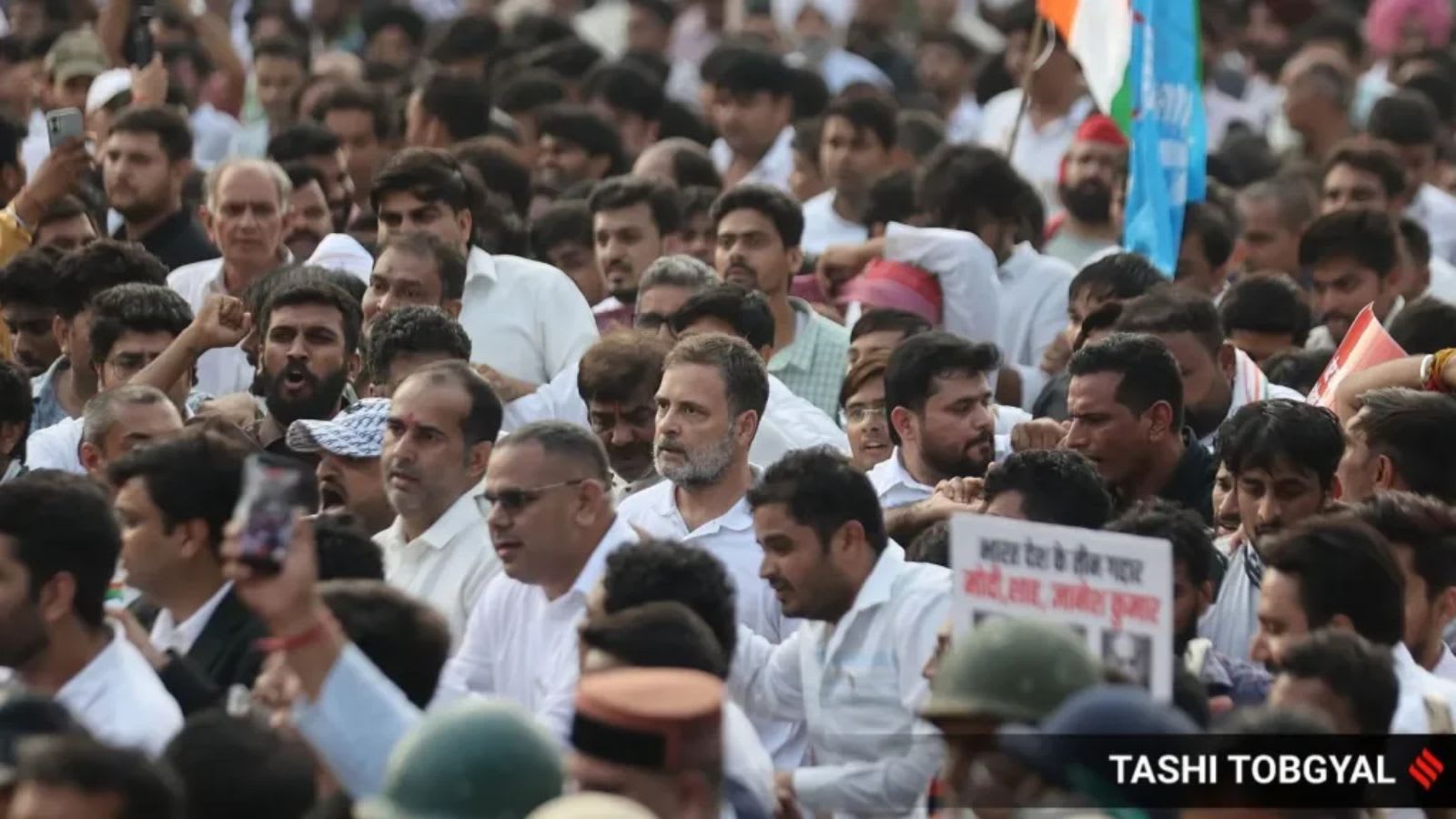
The Election Commission faces legal scrutiny over internal disagreements and electoral roll management, while the Supreme Court addresses a complaint against Rahul Gandhi. Meanwhile, the UP CEO's office has apologized for unprofessional social media conduct regarding voter list errors.
Institutional Integrity and Accountability: A Multi-Front Challenge
The Indian electoral landscape is currently navigating a period of intense scrutiny, characterized by legal challenges reaching the Supreme Court and public accountability issues within state electoral offices. The Election Commission (EC) of India is at the center of these developments, responding to petitions regarding internal governance and the handling of voter registration processes. Simultaneously, the intersection of political protests and judicial proceedings has brought the conduct of opposition leadership under legal review.
The Election Commission's Internal Governance
At the heart of the current legal discourse is a petition seeking the suspension of Chief Election Commissioner Gyanesh Kumar. This petition, filed by advocate Rakesh Kumar Singh, is rooted in an investigation highlighting that Election Commissioners Sukhbir Singh Sandhu and Vivek Joshi had formally recorded disagreements 14 times over a 10-month window. The EC’s counter-affidavit, submitted ahead of a Supreme Court hearing, insists that all decisions regarding the Special Intensive Revision—a critical process for maintaining accurate electoral rolls—were made unanimously. This tension between recorded internal dissent and public claims of unanimity raises significant questions about the transparency and consensus-building mechanisms within the constitutional body.
Legal Scrutiny of Political Conduct
Beyond administrative procedures, the Supreme Court is now adjudicating a personal grievance involving the Leader of Opposition, Rahul Gandhi. A bench led by Chief Justice of India Surya Kant has issued a notice to the Centre, Delhi Police, and Gandhi following an application by journalist Richa Parashar. The complainant, who was covering an October 12 protest against the CEC, alleges that she was pushed by Gandhi while performing her professional duties. This case highlights the volatile nature of political protests conducted within the proximity of judicial premises and the legal complexities that arise when political activities intersect with public safety and media rights.
Communication Standards in Public Office
Administrative accountability is not limited to the central commission; state-level offices are also under pressure. The Uttar Pradesh Chief Electoral Officer’s (CEO) office recently issued a formal apology for a controversial social media post. The post, which responded to criticism regarding errors in the Legislative Council electoral roll, was deemed inappropriate in tone and language. This incident underscores the necessity for official state handles to maintain a standard of 'dignified and formal' communication, especially when addressing public grievances about the accuracy of democratic processes.
Broader Implications for Democracy
These disparate events—the internal disagreements within the EC, the legal notice against a prominent opposition leader, and the communication lapses in the UP CEO office—collectively reflect a stressed democratic ecosystem. The reliance on the Supreme Court to resolve these matters indicates that institutional trust is currently heavily dependent on judicial intervention. As the EC navigates its internal dynamics and political leaders face legal hurdles, the public's perception of the fairness of the electoral process remains a critical factor in the health of the nation's democracy.
Future Trends and Conclusion
Moving forward, the judiciary's handling of these petitions will likely set important precedents for how the Election Commission manages internal dissent and how political figures interact with the media during protests. The shift toward more 'dignified' communication from state offices suggests an attempt to mitigate public backlash, yet the underlying issues regarding voter roll accuracy and institutional transparency will require sustained attention to ensure public confidence in the electoral machinery.
Multiple Citing Sources