Akhilesh Yadav’s shoutout to party on poll wins, and a ‘no rally’ warning
Source Entity
Lalmani Verma
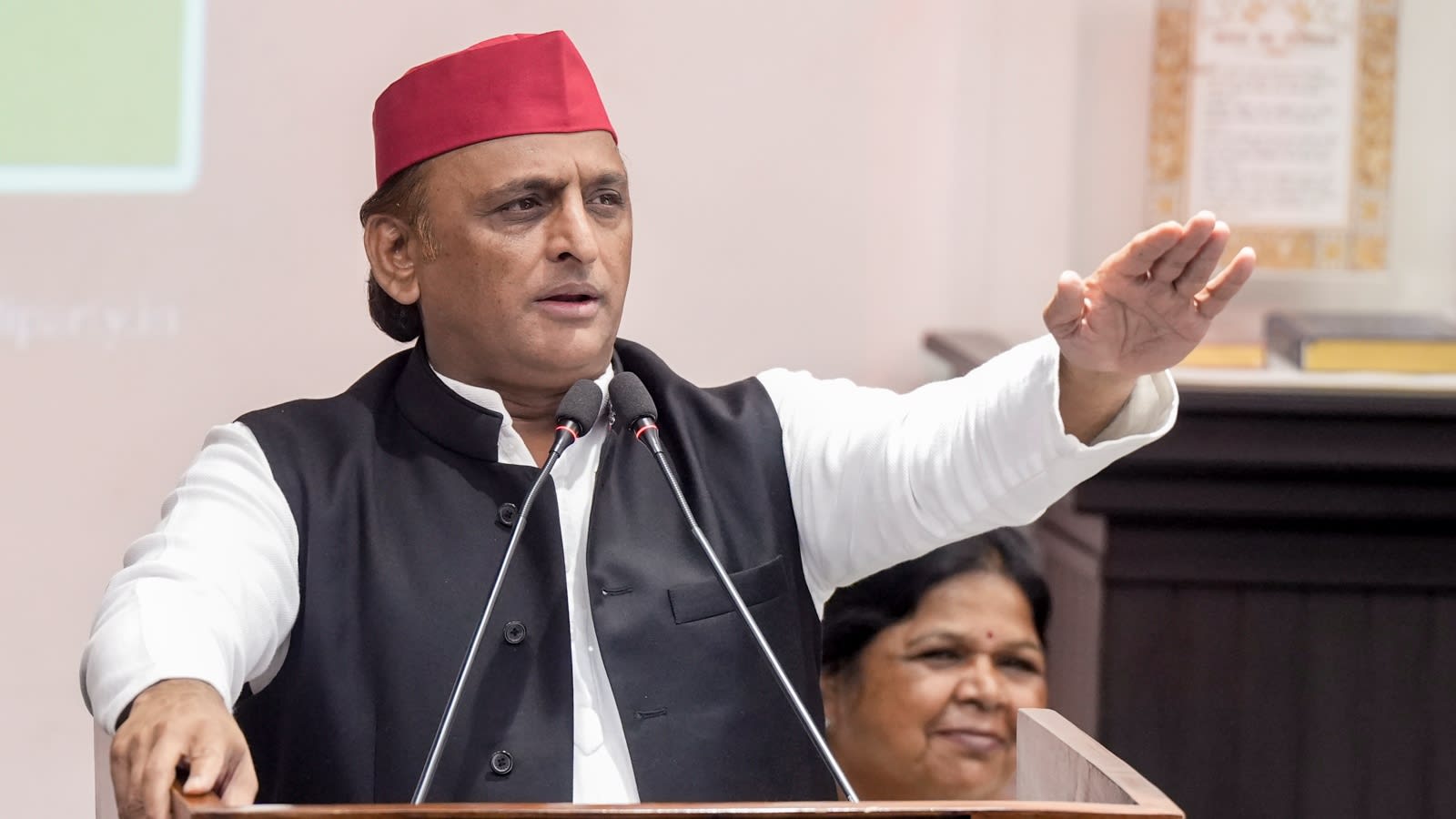
Legislative Council election results in Uttar Pradesh and Maharashtra highlight a competitive landscape between the BJP-led alliances and opposition parties. Leaders are balancing victory celebrations with strategic caution as they look toward future assembly elections.
Legislative Council Election Dynamics: A Strategic Overview
Recent Legislative Council elections in Uttar Pradesh and Maharashtra have provided a critical snapshot of the current political climate in two of India's most influential states. In Uttar Pradesh, the contest for 11 graduate and teachers' constituency seats has demonstrated a mixed outcome. While the Bharatiya Janata Party (BJP) successfully retained key seats such as the Meerut graduates’ and teachers’ constituencies, as well as the Bareilly-Moradabad division teachers’ seat, the Samajwadi Party (SP) has marked notable progress, securing a win in the Varanasi division teachers’ seat for a second consecutive term.
The Strategic Caution of the Samajwadi Party
Following these results, Samajwadi Party chief Akhilesh Yadav issued a directive to his party workers, explicitly forbidding celebratory rallies. This move is deeply rooted in long-term electoral strategy. By urging his colleagues to utilize social media for peaceful communication rather than physical demonstrations, Yadav aims to prevent the BJP from tarnishing the party’s image. With state assembly polls on the horizon, the SP is clearly prioritizing discipline and optics to avoid providing political opponents with ammunition that could be used to characterize them as disruptive.
Competitive Trends in Maharashtra
Simultaneously, the political landscape in Maharashtra remains fluid as counting concludes for five Legislative Council seats. Current trends indicate a tight race between the ruling Mahayuti alliance and the opposition Maharashtra Vikas Aghadi (MVA). The Mahayuti has shown strength in the Pune and Amravati Teachers’ constituencies and the Nagpur Graduates’ constituency, while the MVA maintains a lead in the Pune and Aurangabad Graduates’ constituencies.
The Role of Preferential Voting
An essential element of these council elections is the complexity of the voting system. Because these elections often rely on preferential voting, the determination of a winner can be a protracted process. As seen in the Maharashtra results, the inclusion of rebels from both major alliances has added a layer of unpredictability, with final outcomes often delayed until late in the counting process as votes are reallocated based on second and third preferences.
Broader Political Implications
The outcomes of these upper house elections are significant, as Legislative Councils serve as a vital platform for legislative scrutiny and regional representation. For the BJP, retaining its strongholds in Uttar Pradesh reinforces its organizational grip, yet the resilience of opposition candidates in specific teacher and graduate constituencies suggests that the party faces persistent challenges in these specific voter segments.
Future Outlook
As the Election Commission finalizes the tallies, these results will likely be used by both the ruling and opposition parties to recalibrate their strategies for upcoming general and assembly elections. The emphasis on digital outreach, as highlighted by Akhilesh Yadav, signals a shift in how political messaging is managed in the post-election phase. Moving forward, the ability of parties to maintain voter momentum without inciting controversy will be a deciding factor in the broader political narrative.