Punjab Vidhan passes resolution to continue welfare schemes launched by Mann government
Source Entity
Kanchan Vasdev
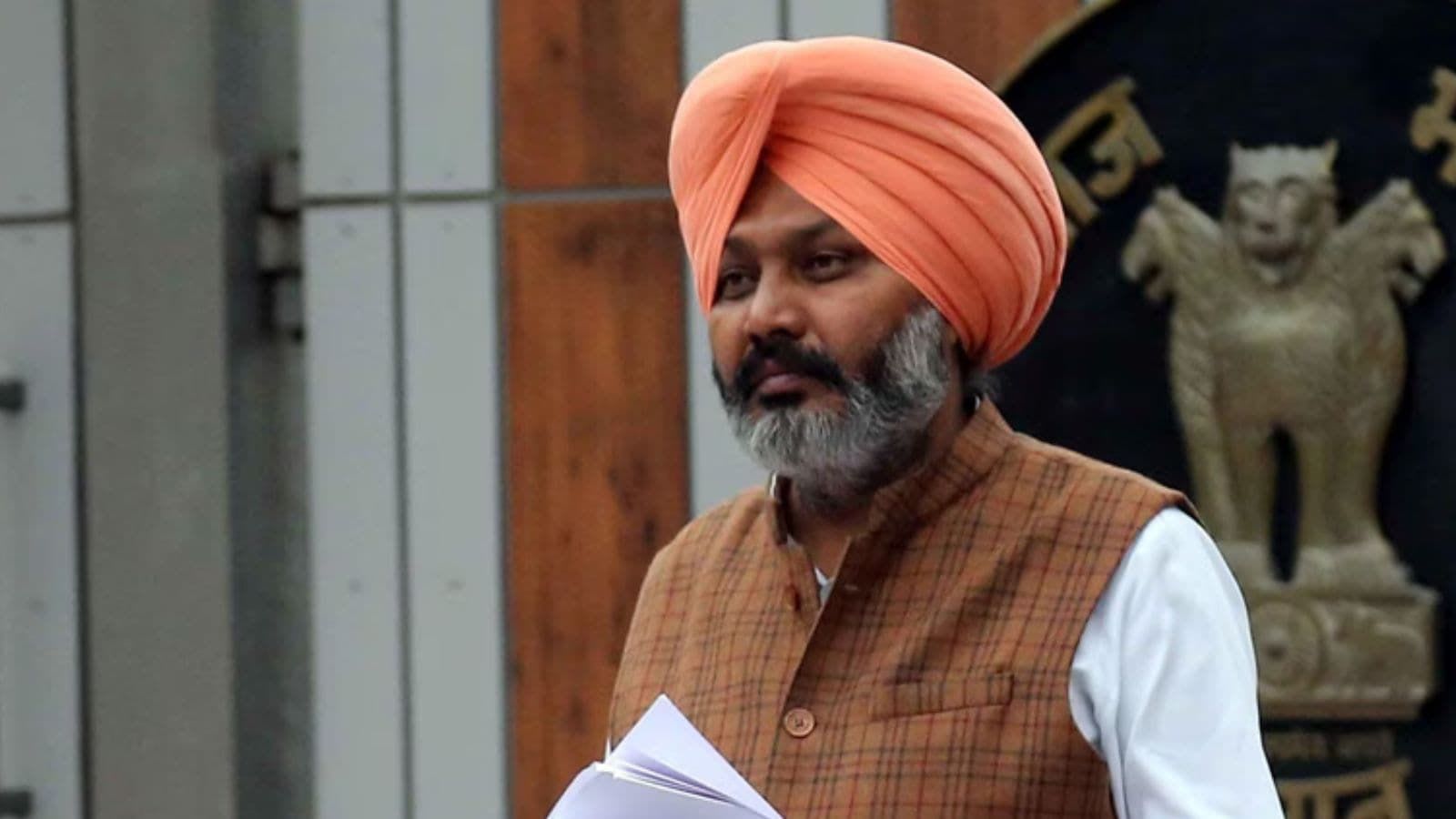
The Punjab Vidhan Sabha has passed a series of significant resolutions concerning welfare schemes, the reopening of the Kartarpur Corridor, and state control over river water resources. These legislative actions reflect the AAP government's focus on securing state rights and religious connectivity amidst ongoing political tensions.
Legislative Assertiveness in the Punjab Vidhan Sabha
On a single, highly active Tuesday, the Punjab Vidhan Sabha moved to solidify its policy stance through a series of sweeping resolutions. These legislative actions, ranging from social welfare protection to interstate water rights and international religious pilgrimage access, underscore a period of intense focus for the Bhagwant Mann-led Aam Aadmi Party (AAP) government. By formalizing these positions, the state assembly is attempting to define its political trajectory and assert its constitutional autonomy.
Protecting the Welfare State
Finance Minister Harpal Singh Cheema spearheaded a resolution aimed at cementing the continuation of public welfare schemes and direct financial assistance. This move serves as both a policy directive and a strategic political maneuver. By challenging the opposition—specifically Congress and the Shiromani Akali Dal (SAD)—to clarify their stance on these benefits, the AAP government is framing the debate around the necessity of social spending. The government’s argument that state resources must be dedicated to public improvement rather than being labeled as 'wasteful' reflects a broader ideological struggle regarding the role of state-funded support systems in Indian governance.
The Kartarpur Corridor and Religious Diplomacy
In a move rooted in the cultural and religious identity of the Sikh community, the Assembly passed a resolution urging the Union government to reopen the Kartarpur Sahib corridor. Education Minister Harjot Bains framed the corridor as a 'symbol of Sikh faith and kinship.' Since its closure on May 7, 2025, following the Pahalgam terror attack and subsequent military responses, the corridor has been a point of significant tension. The resolution specifically requests that the Centre simplify procedures for pilgrims and engage in diplomatic efforts to ensure safe, uninterrupted access to the Gurdwara Darbar Sahib in Pakistan.
Asserting Sovereignty Over Water Resources
Perhaps the most complex set of resolutions involves the state's claim over river waters and infrastructure, tabled by Water Resources Minister Barinder Kumar Goyal. The assembly passed five separate resolutions challenging existing water-sharing arrangements, which the state contends are unfair and encroach upon its constitutional rights. By demanding a share in Yamuna waters, seeking royalty payments from Rajasthan, and calling for the repeal of the Dam Safety Act, 2021, the government is signaling a shift toward a more aggressive stance on state-subject resources.
Implications of Control and Infrastructure
The demand for control over three irrigation headworks and the stated intent to utilize Ravi waters currently flowing into Pakistan represent a significant escalation in the state's approach to resource management. Chief Minister Bhagwant Mann’s assertion that Punjab will not surrender its 'rightful share' indicates a firm commitment to reclaiming administrative control. These resolutions highlight a growing friction between state-level resource management and the central government's legislative frameworks, such as the Dam Safety Act, which Punjab views as an infringement on its sovereignty.
Conclusion: A Strategic Future Path
These resolutions collectively map out the current priorities of the Punjab government: protecting social safety nets, honoring religious sentiments, and reclaiming control over natural resources. As the state navigates these legislative goals, the interplay between the Punjab Vidhan Sabha and the Union government will likely remain a central theme in regional politics. Whether these resolutions lead to tangible policy changes or serve primarily as a baseline for future negotiations remains to be seen, but they undoubtedly signal a period of assertive governance in Punjab.
Multiple Citing Sources