Majhi urges Patnaik not to politicise Kotia dispute, reiterates Odisha’s territorial claim
Source Entity
India Latest News: Top National Headlines Today & Breaking News | The Hindu
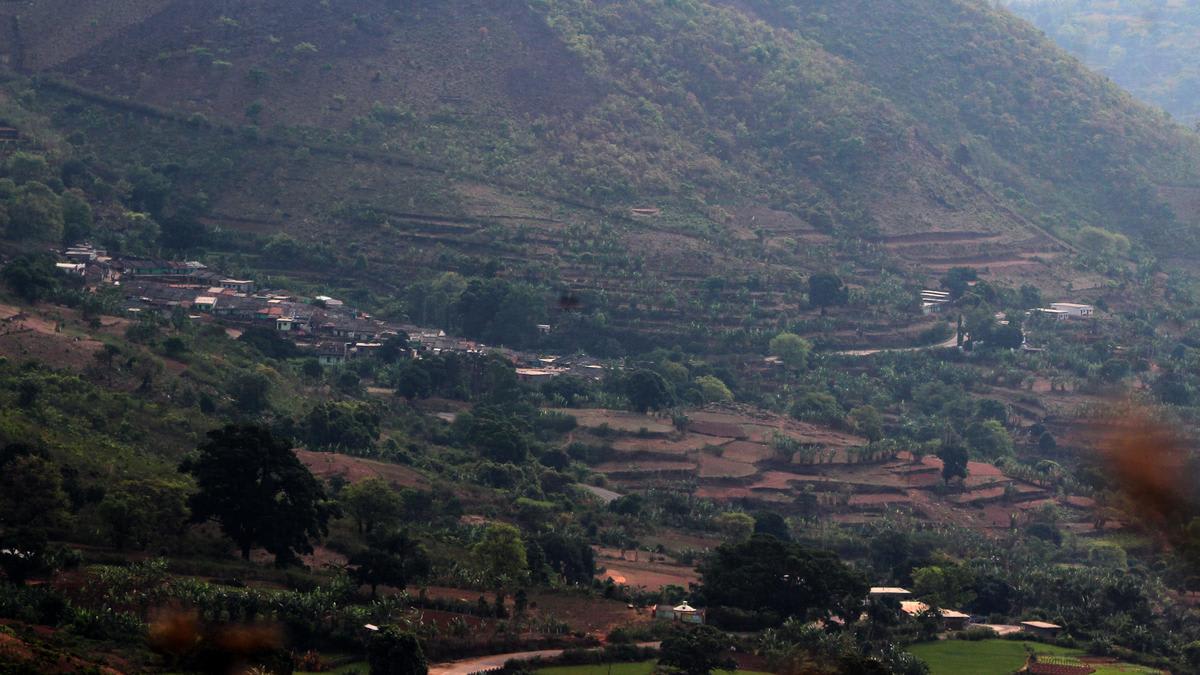
Odisha Chief Minister Mohan Charan Majhi has urged his predecessor Naveen Patnaik to avoid politicizing the long-standing Kotia border dispute. The conflict involves competing claims over 21 villages in the Koraput district, with both Odisha and Andhra Pradesh asserting territorial sovereignty.
The Persistent Kotia Border Dispute
The territorial disagreement regarding the Kotia group of villages, situated in the Koraput district, has once again surfaced as a point of contention between the neighboring states of Odisha and Andhra Pradesh. This complex dispute involves 21 villages that both states claim as their own, leading to administrative and electoral friction that has persisted for decades. The recent exchange between Odisha Chief Minister Mohan Charan Majhi and his predecessor, Naveen Patnaik, highlights the sensitivity of the issue.
Origins and Historical Context
Odisha’s stance, as reiterated by CM Majhi, is rooted in the state’s formation in 1936. The government maintains that the Kotia cluster has been an integral part of Odisha since the state was carved out as a separate linguistic province. This historical claim forms the bedrock of Odisha’s refusal to cede any territory, viewing the area as a fundamental component of its sovereign geography and cultural identity.
The Catalyst of Recent Tensions
The current diplomatic friction was reignited following an October 19 letter from former Chief Minister Naveen Patnaik. In this correspondence, Mr. Patnaik expressed significant concern regarding the announcement of elections by the Andhra Pradesh government within the disputed Kotia region. Such actions are perceived by Odisha as an encroachment upon its territorial integrity and a direct challenge to its administrative authority over the cluster.
Political Discourse vs. Constructive Resolution
In his response, CM Majhi has called for a move away from political posturing. By urging Mr. Patnaik to provide constructive suggestions rather than viewing the matter through a 'political prism,' the current administration is attempting to centralize the narrative around state interest rather than partisan blame. This reflects the delicate balance required when managing inter-state relations, where local political opposition can inadvertently complicate sensitive legal and diplomatic negotiations.
Broader Implications for Federalism
This dispute serves as a case study for the complexities of Indian federalism. Inter-state border issues often become stalled due to the overlap of historical administrative records and the evolving demographics of border villages. For the residents of the 21 disputed villages, the lack of a final resolution often results in a 'dual-administration' scenario, where competing welfare schemes and electoral processes create confusion and instability.
Looking Ahead: The Path to Resolution
As both states remain firmly committed to their respective territorial claims, the path forward likely requires sustained dialogue and potential intervention through federal mediation or judicial oversight. The priority for the Odisha government remains the safeguarding of its territorial integrity. Future trends suggest that until a definitive legal or consensus-based solution is reached, the Kotia issue will remain a high-stakes geopolitical challenge for the regional leadership.
Verification Required?