'Ambani won't go out of business': Musk says Starlink competition would benefit Indians
Source Entity
AASTHA JHA
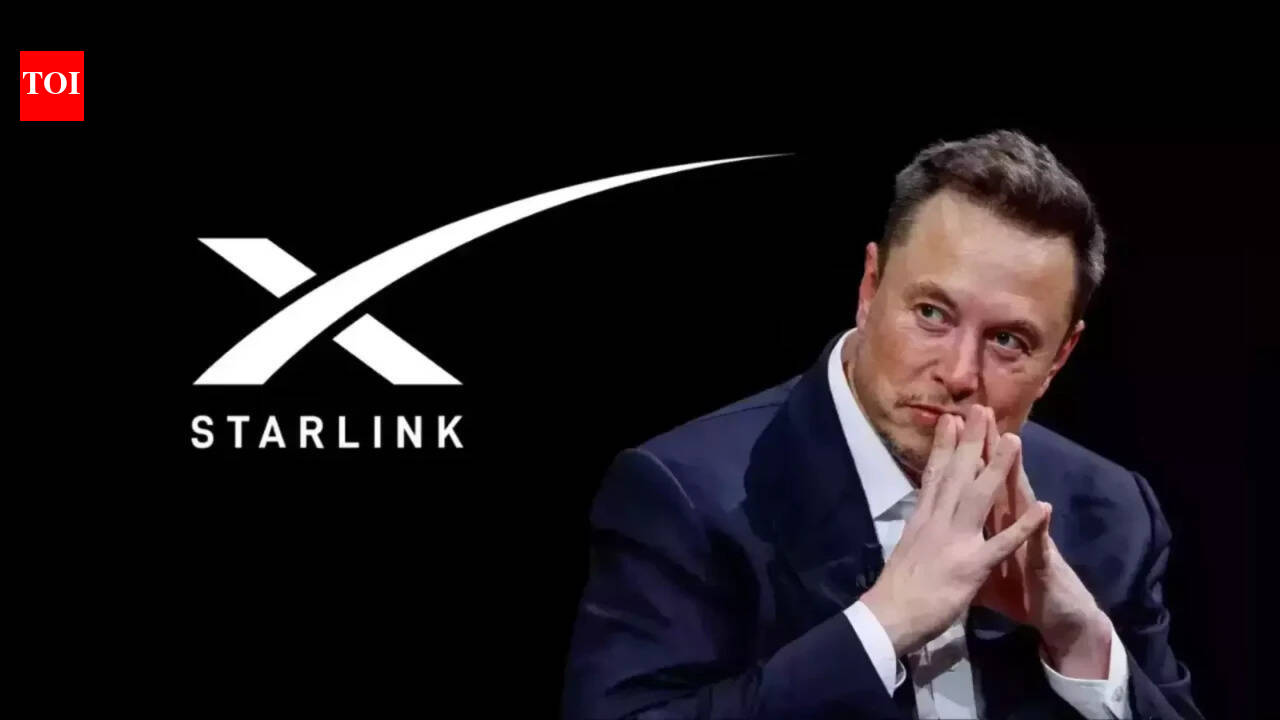
Elon Musk has defended Starlink's potential entry into the Indian market, asserting it would benefit consumers while dismissing concerns about competition with Mukesh Ambani's Reliance Jio. Musk criticized arguments against Starlink as hypocritical, framing the pushback from Ambani's supporters as illogical.
The Battle for India's Digital Future
Elon Musk's recent statements regarding the introduction of Starlink in India have ignited a fierce debate over market competition and regulatory policy. By explicitly stating that "Ambani won't go out of business," Musk is attempting to de-escalate concerns that his satellite internet service would destabilize the existing dominance of Reliance Jio, owned by Mukesh Ambani. This narrative centers on the tension between established domestic telecommunications giants and disruptive global technology firms seeking to capture the untapped potential of India's rural connectivity market.
Challenging the Status Quo
Musk’s commentary serves as a direct rebuttal to the prevailing sentiment among some of Ambani’s supporters, whom he has accused of employing "absurd hypocrisy" and "ridiculous arguments." The core of this friction lies in the debate over how satellite spectrum should be allocated in India. While Reliance Jio has advocated for a competitive auction process for spectrum, Starlink and other global players have pushed for administrative allocation. Musk’s public stance suggests that he views the opposition not as a legitimate policy disagreement, but as an attempt to stifle innovation through protectionist rhetoric.
The Economic Implications of Satellite Internet
Beyond the corporate rivalry, the broader implication of this discourse is the potential transformation of India's digital landscape. Satellite internet is positioned to bridge the "last-mile" connectivity gap that traditional fiber-optic infrastructure struggles to reach in remote or mountainous regions. If Starlink enters the market, it could provide a competitive alternative that forces domestic players to improve service quality and pricing, ultimately benefiting the Indian consumer, as Musk contends.
Historical Context of Telecom Wars
This dispute mirrors historical patterns of disruption in the Indian telecom sector. Much like how Reliance Jio’s entry into the market in 2016 triggered a massive price war that consolidated the industry and drove data consumption to record highs, the introduction of satellite internet represents the next phase of this evolution. However, unlike the 4G revolution, this shift involves a struggle between terrestrial infrastructure and space-based technologies, creating a complex regulatory environment that the Indian government must navigate.
Future Trends and Regulatory Hurdles
The trajectory of this conflict will likely be defined by how the Indian government balances the interests of domestic industrial leaders with the necessity of adopting cutting-edge global technology. If Musk’s vision prevails, India could become a primary hub for satellite-based internet, potentially forcing local players to integrate satellite solutions into their own portfolios to remain relevant. Conversely, if regulatory hurdles persist, the entry of global players could be delayed, preserving the current market structure for the foreseeable future.
Conclusion
Ultimately, the clash between Musk and Ambani’s supporters highlights the growing pains of a rapidly digitizing economy. While the rhetoric has been heated, the underlying issue is a fundamental question of policy: how to best provide universal internet access while maintaining a fair and competitive market. As India continues to integrate into the global digital economy, the resolution of this debate will serve as a bellwether for how the nation handles the intersection of domestic industrial policy and international technological disruption.