‘I will come for them’: Elon Musk threatens Democrats over plans to probe his empire
Source Entity
SUBHADRA SRIVASTAVA
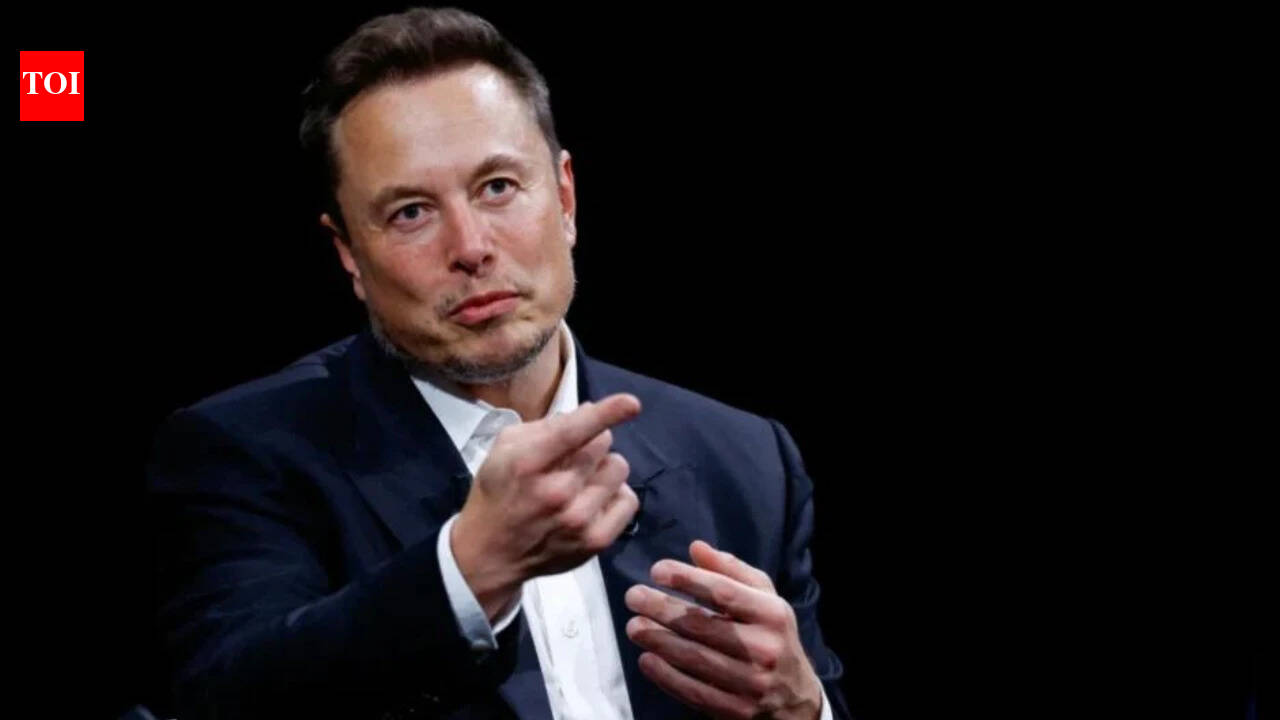
Elon Musk has issued a sharp warning to Democratic lawmakers planning to investigate his business dealings and federal contracts. The threats follow reports of potential congressional probes into his companies, including Starlink operations in Ukraine.
The Escalating Clash Between Elon Musk and Democratic Lawmakers
Elon Musk has recently adopted an aggressive stance against Democratic lawmakers, issuing a direct warning that he will "come for them" should they pursue investigations into his sprawling business empire. This confrontation was triggered by reports indicating that Democrats are considering formal congressional probes into Musk’s various enterprises, specifically focusing on potential conflicts of interest regarding federal contracts and government subsidies. The rhetoric, characterized by the phrase "Live by the sword, die by the sword," signals a significant hardening of relations between one of the world's most influential entrepreneurs and a major political faction in the United States.
The Focus of Potential Congressional Probes
The proposed investigations are reportedly centered on the intersection of Musk’s private business interests and his reliance on federal support. Critics and lawmakers have raised alarms regarding the massive influx of government subsidies directed toward companies like SpaceX and Tesla. The concern lies in whether these financial ties create an inherent conflict of interest, particularly when Musk’s personal political stances and public policy advocacy seem to clash with the administration's stated goals. By scrutinizing these contracts, Democratic lawmakers aim to determine if federal taxpayer dollars are being utilized in alignment with public interest or if they are being leveraged to benefit an individual with significant political influence.
Scrutiny Over Starlink and International Relations
A critical component of the looming investigation involves the operational decisions made by SpaceX regarding Starlink services in Ukraine. The satellite internet network has become a vital piece of communication infrastructure during the ongoing conflict, yet Musk’s administration of the service has sparked intense debate. Lawmakers are seeking clarity on the criteria used to restrict or enable access in contested regions, fearing that private control over such essential military and humanitarian tools could undermine U.S. foreign policy objectives. This scrutiny underscores the broader dilemma of how nations should handle private actors who possess the power to influence geopolitical outcomes.
Historical Context: The CEO-Government Dynamic
This tension is not entirely unprecedented, as the relationship between massive corporate entities and the federal government has historically been fraught with friction. However, the current situation is unique due to Musk’s status as a billionaire who has become increasingly involved in the political arena. Unlike typical corporate lobbying, Musk’s public communication style—often utilizing his own social media platforms to challenge political opponents—creates a dynamic where policy disagreements quickly escalate into personal, high-stakes public battles. This shift marks a departure from traditional corporate-government relations, which are usually conducted behind closed doors.
Future Implications and Political Trajectory
The trajectory of this conflict suggests a prolonged period of instability for Musk’s companies if Democrats maintain or gain significant congressional power. Should these investigations move forward, they will likely set a precedent for how the government regulates individuals who hold both enormous economic power and significant control over critical infrastructure. As both sides prepare for a potential legal and legislative showdown, the outcome will likely hinge on the findings related to federal oversight and the extent to which private corporations must be held accountable for actions that intersect with national security and public policy.
Multiple Citing Sources