Activists question Beas riverbed construction; work on highway going Right of Way: NHAI
Source Entity
Saurabh Parashar
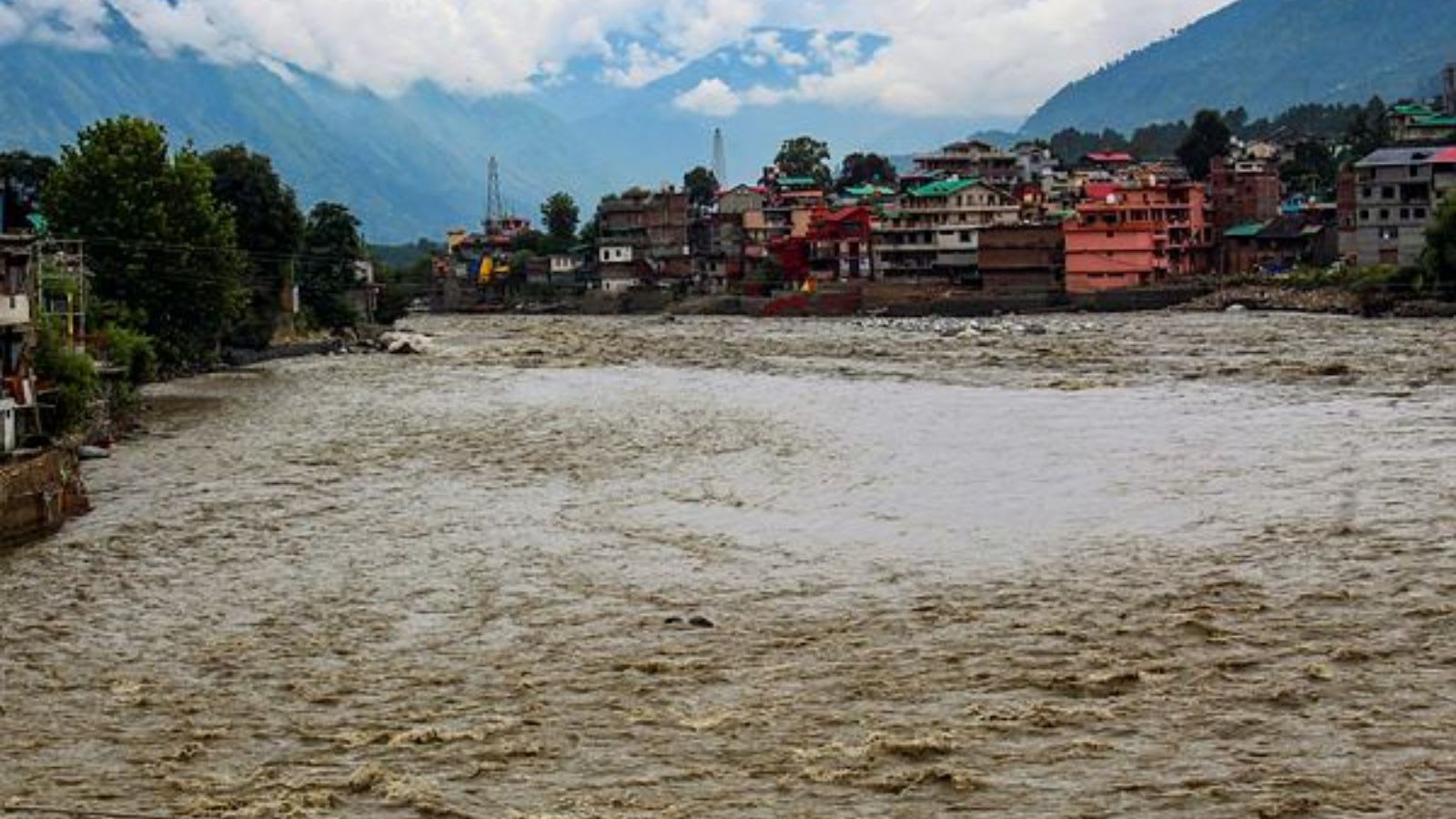
Environmentalists are questioning NHAI's construction activities along the Beas River, fearing that channel modifications and retaining walls could exacerbate flood risks. The concerns follow significant damage to the Kullu-Manali highway during recent floods in 2023 and 2025.
Environmental Concerns Mount Over Beas Riverbed Construction
Environmentalists and local activists, including Guman Singh of the Himalaya Niti Abhiyan (HNA), have voiced significant alarm regarding the ongoing infrastructure work along the Beas River near the Kullu-Manali National Highway. The core of the controversy lies in the excavation and modification of the river channel, alongside the construction of Reinforced Cement Concrete (RCC) retaining walls directly on the riverbed. Critics argue that these man-made interventions disrupt the natural hydrological path of the river, potentially creating long-term instability in a region already prone to geological fragility.
The Shadow of Recent Catastrophes
The urgency of these concerns is deeply rooted in the traumatic experience of recent years. Devastating floods in 2023 and 2025 caused extensive destruction to infrastructure and washed away critical stretches of the highway between Manali and Aut. The memory of these events has heightened public scrutiny, as residents and experts alike question whether current construction efforts are truly resilient or if they are merely temporary fixes that ignore the river's natural power and flood-prone history.
NHAI’s Stance and the Right of Way
In response to the growing backlash, the National Highways Authority of India (NHAI) has maintained that the construction activities fall strictly within their "Right of Way." The agency frames these works as necessary measures to stabilize the highway corridor and prevent future erosional damage. However, this justification has done little to assuage the fears of those who believe that the NHAI’s engineering approach prioritizes vehicular speed and infrastructure durability over ecological harmony and natural flood management.
The Call for Scientific Rigor
A central demand from the environmental community is for a comprehensive, independent scientific assessment. Guman Singh and other activists emphasize that without a robust study of how these RCC structures interact with the river’s flow, there is a risk of creating "new risks" rather than solving existing ones. Critics argue that rigid, engineered solutions often fail to account for the dynamic sediment transport and variable flow patterns characteristic of Himalayan rivers, which can lead to catastrophic failure during extreme weather events.
Broader Implications for Himalayan Infrastructure
The conflict surrounding the Beas River serves as a microcosm of a larger debate regarding development in the Himalayan region. As climate change increases the frequency and intensity of extreme precipitation, the traditional methods of road construction are being heavily tested. The tension between the need for robust transport connectivity and the mandate for environmental conservation highlights the difficulty of managing infrastructure in sensitive mountainous ecosystems.
Looking Ahead: Balancing Connectivity and Safety
Moving forward, the situation necessitates a shift toward integrated river basin management. If the NHAI continues its current path without addressing the concerns of local environmentalists, the potential for future infrastructure damage remains high. A balanced approach—incorporating nature-based solutions and rigorous hydrological modeling—is essential to ensuring that the Kullu-Manali highway remains a safe conduit for commerce and tourism without sacrificing the ecological health of the Beas River valley.