Epstein victims blast Trump attorney general nominee Todd Blanche after meeting
Source Entity
US Top News and Analysis
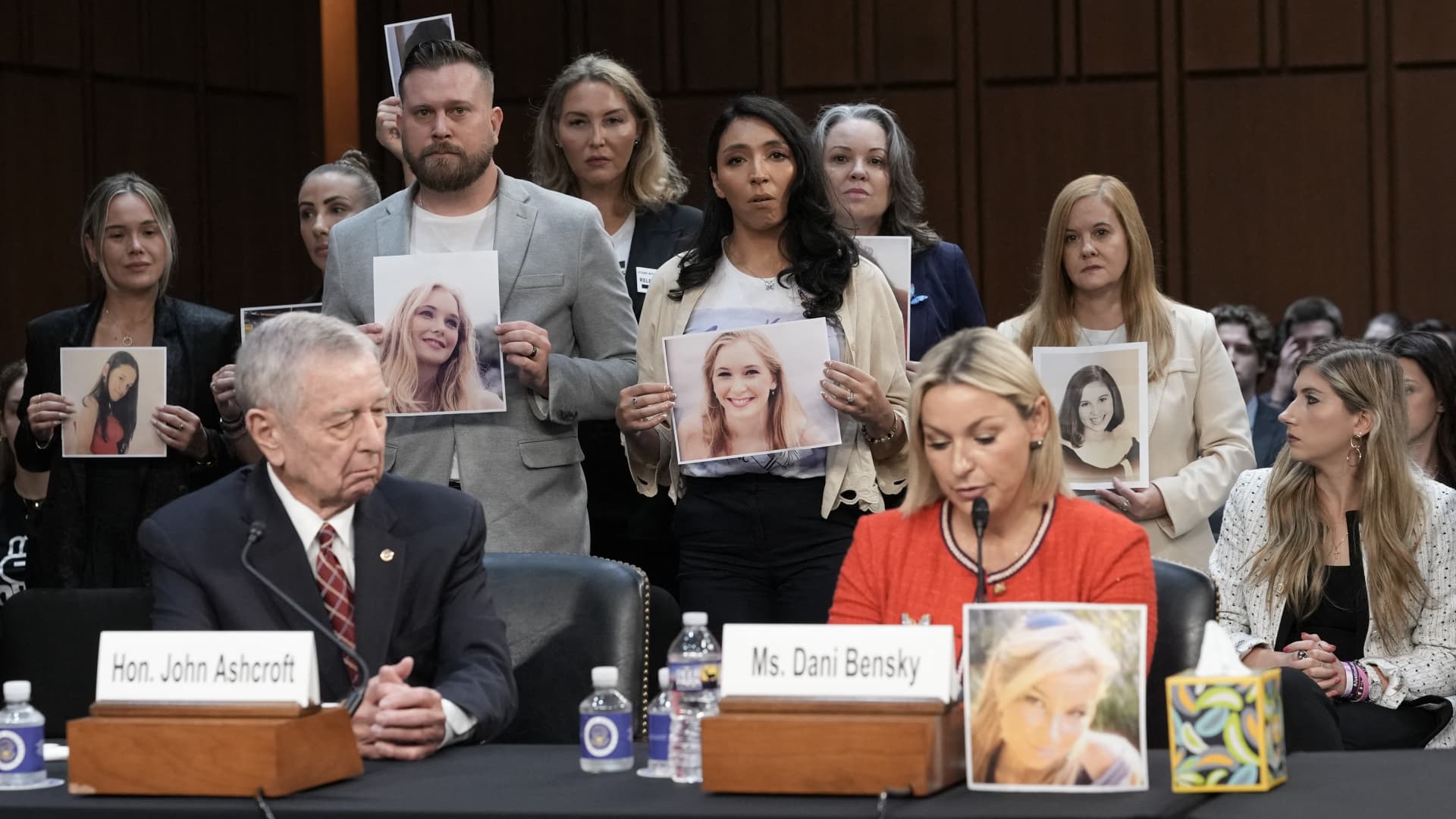
Epstein survivors have criticized attorney general nominee Todd Blanche, describing their recent meeting as a performative exercise. The victims labeled Blanche as condescending and evasive, suggesting his engagement was merely a strategy to secure confirmation votes.
Tensions Escalate at the DOJ: The Blanche Confirmation Controversy
A Meeting Marked by Mistrust
The confirmation process for Todd Blanche, nominated by President Trump to serve as the permanent U.S. Attorney General, has reached a critical juncture following a contentious meeting with survivors of Jeffrey Epstein. The sit-down, which occurred at the Department of Justice, was facilitated at the specific urging of Senator Thom Tillis. However, rather than fostering goodwill or transparency, the encounter has deepened the divide between the nominee and those seeking justice regarding the sprawling Epstein case.
The Accusation of Performative Politics
Central to the controversy is the characterization of the meeting by Dani Bensky, an Epstein survivor who spoke publicly on Capitol Hill. Bensky described the interaction as a "check-the-box" exercise, suggesting that Blanche’s primary motivation was to appease Senate Judiciary Committee members rather than address the legitimate grievances of victims. This criticism highlights a growing tension in political confirmation hearings where high-stakes personal narratives often clash with the strategic maneuvers of executive appointees.
The Burden of the Attorney General’s Office
The Department of Justice holds the ultimate responsibility for overseeing investigations that implicate high-profile figures and systemic failures in the justice system. For survivors, the Attorney General is not merely an administrator but a guardian of public trust. When a nominee is perceived as "condescending and evasive," it undermines the credibility of the entire Department, potentially signaling to the public that the incoming leadership may prioritize political survival over the rigorous pursuit of justice for victims of sex trafficking.
Senate Scrutiny and Public Perception
As the Senate Judiciary Committee weighs Blanche's fitness for the role, the vocal opposition from survivors adds a layer of moral complexity to the confirmation vote. Senator Tillis’s intervention underscores the political pressure on the nominee to demonstrate empathy and accountability. If Blanche cannot bridge the gap with those most affected by the systemic failures of the justice system, his path to confirmation may become significantly more treacherous, as senators grapple with the optics of supporting a candidate who has alienated key stakeholders.
Future Implications for Institutional Integrity
Looking ahead, this episode serves as a case study in the challenges of modern judicial appointments. The demand for transparency from victims will likely remain a centerpiece of the confirmation discourse. If the Senate chooses to move forward with Blanche despite these allegations, it may signal a prioritization of executive alignment over the concerns of justice advocates. Conversely, a failure to address these concerns could force the administration to reconsider its approach to sensitive appointments that require high levels of public trust and moral authority.
Conclusion
The confrontation between Epstein survivors and Todd Blanche reflects a broader struggle for accountability within the U.S. legal system. As the confirmation process continues, the ability of a nominee to genuinely engage with victims—rather than treating them as political obstacles—remains a defining test of their suitability for the nation's highest law enforcement office.