The ally Europe didn't know it was missing
Source Entity
Latest News: Todays Latest News Headlines from India & World | Hindustan Times | Hindustan Times
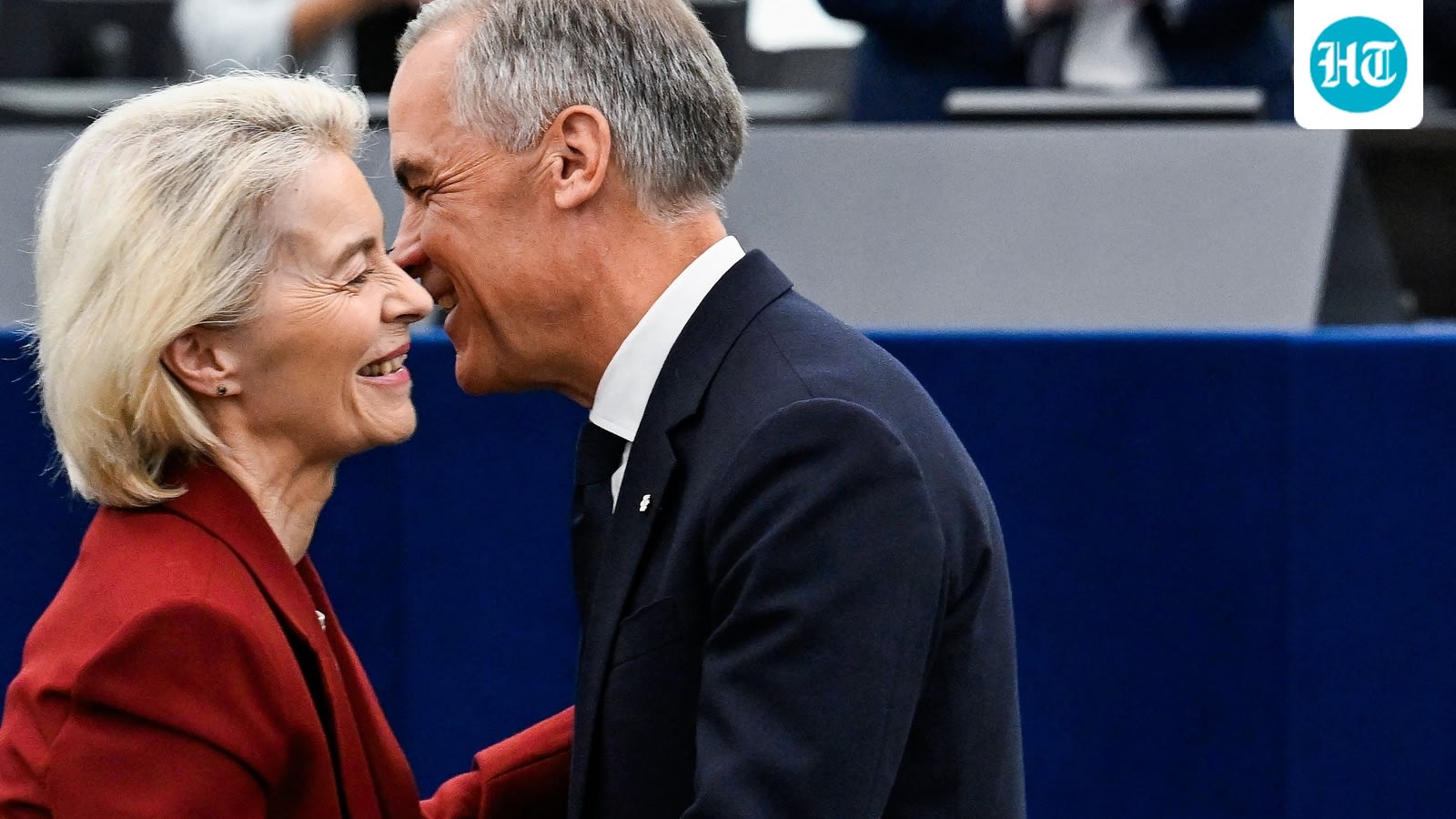
European Commission President Ursula von der Leyen has proposed an unprecedented associate membership for Canada, signaling a strategic pivot toward stable, democratic allies. This move reflects Europe's desire to secure reliable partnerships amidst the volatility of transatlantic relations.
A New Horizon for Transatlantic Cooperation
The recent proposal by European Commission President Ursula von der Leyen to offer Canada an 'associate membership' status marks a tectonic shift in European foreign policy. Following years of navigating the unpredictable nature of transatlantic relations—characterized by sudden tariffs and shifting diplomatic commitments—Brussels is actively seeking to solidify ties with partners that offer long-term stability. By identifying Canada as the first candidate for this unique status, the European Union is signaling a clear move toward institutionalizing relationships with G7 democracies that share its foundational values.
The Strategic Pivot Beyond Trade
This is not merely a technical trade adjustment or a footnote in economic policy. Associate membership represents a deeper integration of geopolitical interests, suggesting that Europe is looking to move beyond transactional diplomacy. After the 'Trump years,' during which financial pressure was frequently applied indiscriminately, the EU’s desire for a predictable partner has reached a breaking point. Canada, under the leadership of Mark Carney, provides a reliable anchor that the European leadership views as essential for maintaining a unified front in an increasingly volatile global landscape.
Why Canada? The Role of Political Alignment
Canada’s selection as the inaugural candidate for this status is rooted in its proven history as a stable, rule-based democracy. The mention of Mark Carney as a potential bridge-builder highlights the importance of institutional familiarity and economic alignment. By elevating a G7 partner to this level, Europe is essentially creating a new tier of cooperation that bypasses the friction typically associated with standard trade agreements, aiming instead for a framework of 'associate' integration that allows for closer coordination on security and economic policy.
Implications for the Future of the EU
This proposal sets a precedent that could redefine how the European Union interacts with non-member states. If associate membership becomes a standard mechanism, it provides Brussels with a tool to expand its influence without the complexities of full accession. This creates a strategic buffer zone of aligned nations, ensuring that even when other major powers shift their domestic priorities, Europe retains a core group of dependable allies who are structurally incentivized to maintain consistent diplomatic and economic ties.
Conclusion: A New Era of Reliability
Ultimately, the move toward an associate membership for Canada represents a maturation of European strategic autonomy. By proactively seeking to bind itself to stable partners, the EU is insulating its interests against the whims of shifting international political cycles. As the global order continues to fragment, this partnership could serve as the foundational model for a new, more resilient Western alliance, ensuring that democratic cooperation is built on institutional pillars rather than the short-term political trends of the day.
Verification Required?