Two firefighters die in Crete as wildfires threaten parts of southern Europe
Source Entity
BBC News
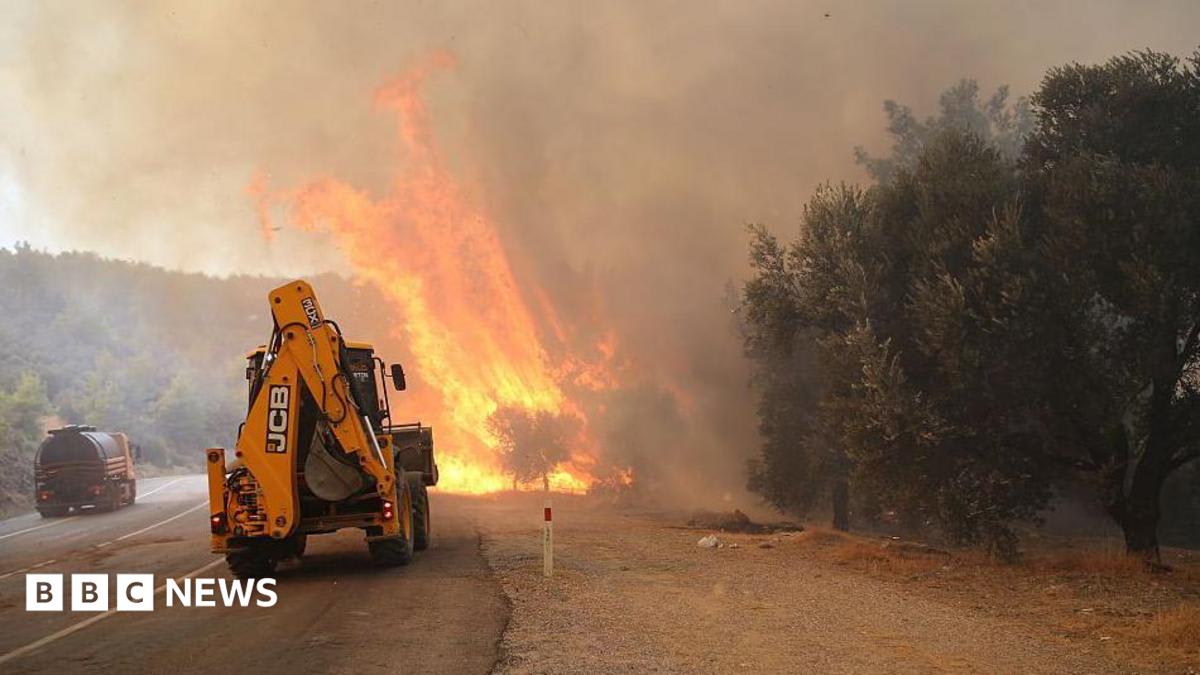
Southern Europe is facing a devastating wildfire crisis exacerbated by extreme heatwaves and gale-force winds. The situation has led to tragic fatalities in Greece and widespread evacuations across France, Spain, and Turkey.
The Escalating Crisis of European Wildfires
Europe is currently grappling with a wildfire crisis of unprecedented intensity, marked by tragic losses and widespread destruction. Recent events in Crete, where two firefighters lost their lives in the Rethymno area, underscore the lethal danger posed by rapidly spreading flames. These fires, fueled by gale-force winds, have forced the evacuation of multiple villages, highlighting the extreme vulnerability of Southern Europe’s geography during the summer months.
A Continent Under Siege
Beyond the tragedy in Greece, the wildfire threat is pervasive across the Mediterranean basin. In Turkey, the situation has escalated to a critical level, with the closure of the major Fethiye to Antalya highway and the partial evacuation of a hospital in Muğla province. This indicates that the infrastructure of these nations is being pushed to its breaking point, as emergency services struggle to contain fires that are moving faster than traditional containment strategies can accommodate.
The Climate Context
Statistical data reveals a grim trajectory. While the average annual area burned in France between 2006 and 2025 was approximately 15,000 hectares, a single fire west of Bordeaux recently consumed three times that amount in just six days. This shift is not merely a seasonal anomaly but a reflection of a continent that is heating up faster than any other region globally. Decades of worsening hazards are now manifesting in real-time, creating a landscape that is increasingly desiccated and highly flammable.
The Volatility of Heatwaves
We are currently witnessing a cycle of recurring heatwaves that have left vast swathes of land vulnerable to ignition. With Spain and France entering their fourth heatwave of the summer, the risk of flare-ups in areas already deemed 'under control' remains dangerously high. The sheer scale—with over 300,000 people evacuated across the continent—demonstrates that these events have moved beyond localized incidents into a systemic regional emergency.
Future Trends and Preparedness
As the European Union observes a continuation of the trend that saw over 1 million hectares burn last year, the necessity for a shift in policy and preparedness is clear. The current wildfire patterns suggest that these events are not a 'new normal' that can be passively accepted, but rather a warning of worse conditions to come. Future resilience will require significant investment in early detection, specialized firefighting resources, and landscape management strategies designed to mitigate the risks of extreme heat.
Conclusion
In summary, the wildfire crisis in Europe is a multifaceted disaster driven by meteorological volatility and environmental conditions. The loss of life in Crete serves as a somber reminder of the human cost associated with these events. As the continent continues to face rising temperatures, the focus must shift from reactive emergency management to a proactive, long-term strategy to combat the escalating threat of climate-driven fires.