What Are Fire Clouds? New Threat Making France's Wildfires Even Deadlier
Source Entity
NDTV News Search Records Found 1000
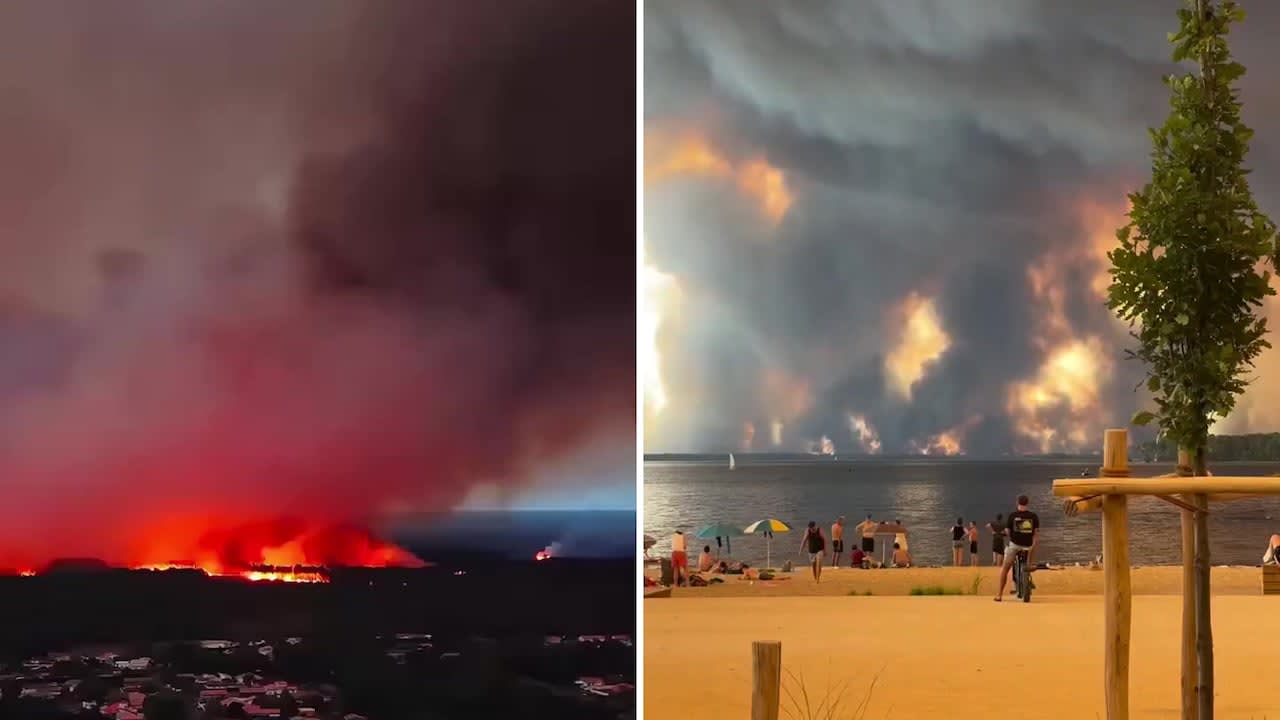
Massive wildfires in France and Spain have triggered historic destruction, exacerbated by the formation of rare pyrocumulonimbus fire clouds. Authorities are managing large-scale evacuations as travelers are urged to monitor emergency updates closely.
The Emergence of Pyrocumulonimbus Events in Europe
The current wildfire crisis spanning the Bordeaux region of France and the provinces of Avila and Toledo in Western Madrid represents a catastrophic environmental event. With nearly 104,000 acres scorched in France and 190,000 in Spain, the scale of destruction is historic. The situation has been significantly complicated by the emergence of pyrocumulonimbus clouds—a rare and volatile meteorological phenomenon. These fire-generated clouds create their own internal weather systems, including thunderstorms and erratic winds, which render standard firefighting tactics largely ineffective and create unpredictable fire behavior.
Meteorological Complexity and Fire Dynamics
Captain Nicolas Braz has characterized these events as "unprecedented" due to the nature of the fire cloud's ability to generate its own whirlwinds and localized storms. While pyrocumulonimbus formations have historically been observed in regions like California, Australia, and Portugal, their prevalence in Western Europe highlights a shifting climate reality. These clouds act as self-sustaining engines of destruction, pulling in oxygen and spreading embers over vast distances, which explains why the fire has remained "erratic and unmanageable" despite the mobilization of massive emergency response teams.
The Human and Infrastructural Toll
France has faced a staggering loss of approximately 250,000 acres since the start of the calendar year, leading to some of the largest, most disruptive evacuations in the nation's recent history. The destruction of land is not merely an environmental concern but a logistical one, as thousands are displaced and regional infrastructure is tested to its breaking point. The rapid pace of the fire’s growth has necessitated constant vigilance, as authorities struggle to contain the blaze while simultaneously managing the safety of the civilian population.
Implications for International Travelers
For those with existing travel plans to France or Spain, the situation requires extreme caution and flexibility. Although the UK government has not issued a total travel ban, it has underscored that access to affected regions is highly restricted and road closures may occur without warning. The summer season—defined here as running from April through October—is identified as a period of heightened wildfire risk. Travelers are strongly advised to remain tethered to local authority updates and to keep the emergency contact number, 112, readily available.
Future Trends and Concluding Summary
As these wildfires continue to threaten vast swaths of land, the combination of extreme heat and the formation of pyrocumulonimbus events suggests that the traditional fire season in Europe is becoming increasingly dangerous and difficult to predict. The reliance on local emergency services is paramount, as government advice remains fluid and subject to change based on the rapid evolution of the fires. Ultimately, the combination of historic acreage loss and advanced meteorological threats signals a new, more dangerous era for wildfire management in Western Europe, requiring both residents and travelers to adopt a posture of constant preparedness.
Verification Required?