Pinochet-era soldier jailed for killing folk singer Víctor Jara 53 years ago
Source Entity
John Bartlett in Santiago
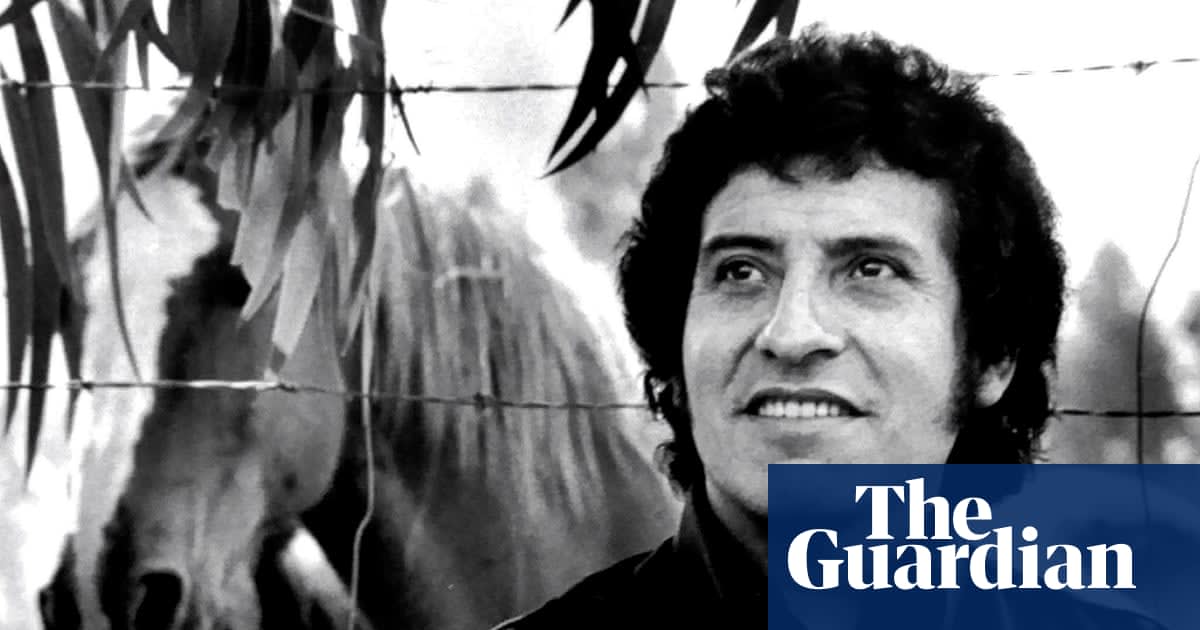
Retired Colonel Nelson Haase Mazzei has been arrested in Chile, marking the final apprehension of those convicted for the 1973 murder of folk singer Víctor Jara. This arrest concludes a long-standing pursuit of justice for the iconic activist killed during the Pinochet regime.
The Final Chapter in the Víctor Jara Case
More than five decades after the brutal assassination of Chilean folk singer and activist Víctor Jara, the pursuit of justice has reached a significant milestone. Chilean authorities have successfully apprehended Nelson Haase Mazzei, a retired colonel who had been evading law enforcement since 2023. His arrest in the rural southern town of Puyehue marks the final chapter in a long-standing legal battle to hold those responsible for the state-sanctioned violence that defined the early years of Augusto Pinochet’s dictatorship.
A Legacy of State-Sanctioned Violence
Víctor Jara was not merely a musician; he was a cultural icon whose lyrics championed the rights of the working class and critiqued social inequality. Following the 1973 military coup that ousted President Salvador Allende, Jara was among the thousands detained in the Chile Stadium. His torture and subsequent murder became a global symbol of the human rights atrocities committed under Pinochet’s regime. For decades, the Jara family, led by his widow Joan Jara, fought tirelessly to ensure that the perpetrators did not escape the reach of the law, turning a personal tragedy into a national movement for truth and reconciliation.
The Legal Struggle for Accountability
The legal proceedings surrounding Jara’s death have been complex and protracted. In 2023, a court sentenced seven retired soldiers, including Haase Mazzei, for their roles in the kidnapping and murder of Jara and Littré Quiroga. While the other defendants were processed, Haase Mazzei chose to flee, becoming a fugitive and highlighting the persistent challenges in achieving accountability for crimes committed during the dictatorship era. His recent capture serves as a testament to the persistence of the Chilean judicial system and the dedication of human rights organizations that have refused to let these cold cases fade into obscurity.
The Role of the Víctor Jara Foundation
The Víctor Jara Foundation has played a pivotal role in keeping the memory of the artist alive and ensuring that the legal process remains transparent. By publicly acknowledging the arrest, the foundation has reaffirmed its commitment to justice, while simultaneously noting that the work of uncovering the full truth behind the Pinochet-era abuses remains unfinished. This arrest acts as a symbolic victory, signaling that even after half a century, the state's obligation to prosecute those who committed crimes against humanity remains intact.
Broader Implications for Chilean Society
This development carries deep resonance for contemporary Chilean society, which continues to grapple with the legacy of the 1973 coup. As the country navigates its political future, the resolution of cases like Jara’s serves as a necessary component of the national healing process. It reinforces the principle that no individual, regardless of their former military standing, is above the law. The arrest of Haase Mazzei underscores a broader trend in Latin American jurisprudence, where long-term investigations into historical human rights violations are increasingly reaching successful judicial conclusions, providing a sense of closure to the victims' families and the nation at large.