17 US states under electricity emergency order as extreme heat raises blackout fears
Source Entity
Latest News: Todays Latest News Headlines from India & World | Hindustan Times | Hindustan Times
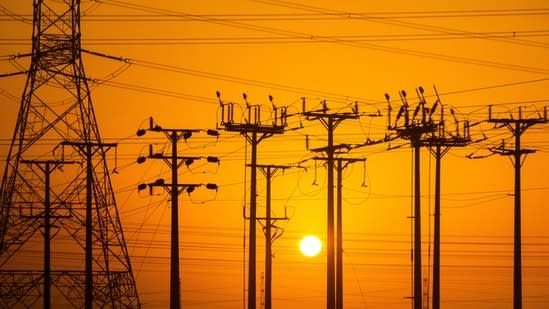
The U.S. Department of Energy has issued an emergency order across 17 states to mitigate power grid strain caused by an intense heat wave. This directive authorizes the use of additional backup power resources to prevent potential blackouts for 20 million residents.
U.S. Power Grids Under Siege: The 17-State Emergency
The United States Department of Energy (DOE) has officially declared an electricity emergency across 17 states, a move necessitated by the extreme heat wave currently testing the limits of the nation's power infrastructure. As temperatures soar, the surge in demand for cooling has placed unprecedented duress on regional power grids, forcing federal regulators to intervene to maintain grid stability and prevent systemic failure.
The Scope of the Crisis
This emergency order encompasses a vast geographical footprint, stretching from the northern plains of North Dakota down to the Gulf Coast of Louisiana. Approximately 20 million people reside within the affected regions overseen by the Southwest Power Pool (SPP). The order serves as a critical stopgap, specifically authorizing the SPP to utilize backup power generation resources that might otherwise be restricted, thereby providing the necessary capacity to absorb the spike in electricity consumption.
Operational Implications and Grid Resilience
By allowing the activation of these backup resources, the DOE is prioritizing grid reliability over standard operational constraints. This highlights the vulnerability of the central U.S. energy infrastructure to climate-induced volatility. As extreme weather events become more frequent, the reliance on traditional grid management strategies is being challenged, necessitating more flexible, real-time federal oversight to manage the delicate balance between supply and demand.
The Human and Economic Impact
For the 20 million citizens under this order, the threat of blackouts is a significant concern, as power outages during extreme heat events pose severe public health risks, particularly for vulnerable populations. The economic ripple effects of such an emergency are also substantial, as businesses face potential operational disruptions and the logistics of maintaining climate-controlled environments become increasingly expensive and high-risk.
Broader Context of Energy Security
This event underscores a growing trend in energy policy: the transition from static grid management to an emergency-response model. The need for federal intervention in regional energy markets suggests that current infrastructure may not be sufficiently robust to handle the compounding pressures of rising average temperatures and peak demand surges. Future trends will likely focus on grid modernization, decentralized micro-grids, and increased storage capacity to mitigate the need for such emergency orders.
Conclusion
The current emergency declaration is a direct response to the immediate risks posed by extreme weather. While the authorization of backup power resources provides a necessary buffer to prevent immediate blackouts, it serves as a stark reminder of the broader challenges inherent in maintaining energy security in a warming climate. Ensuring the long-term stability of the U.S. power grid will require sustained investment and a reevaluation of how regional grids interact during periods of crisis.
Verification Required?