Eurozone inflation hits its highest level in three years at 3.8%
Source Entity
US Top News and Analysis
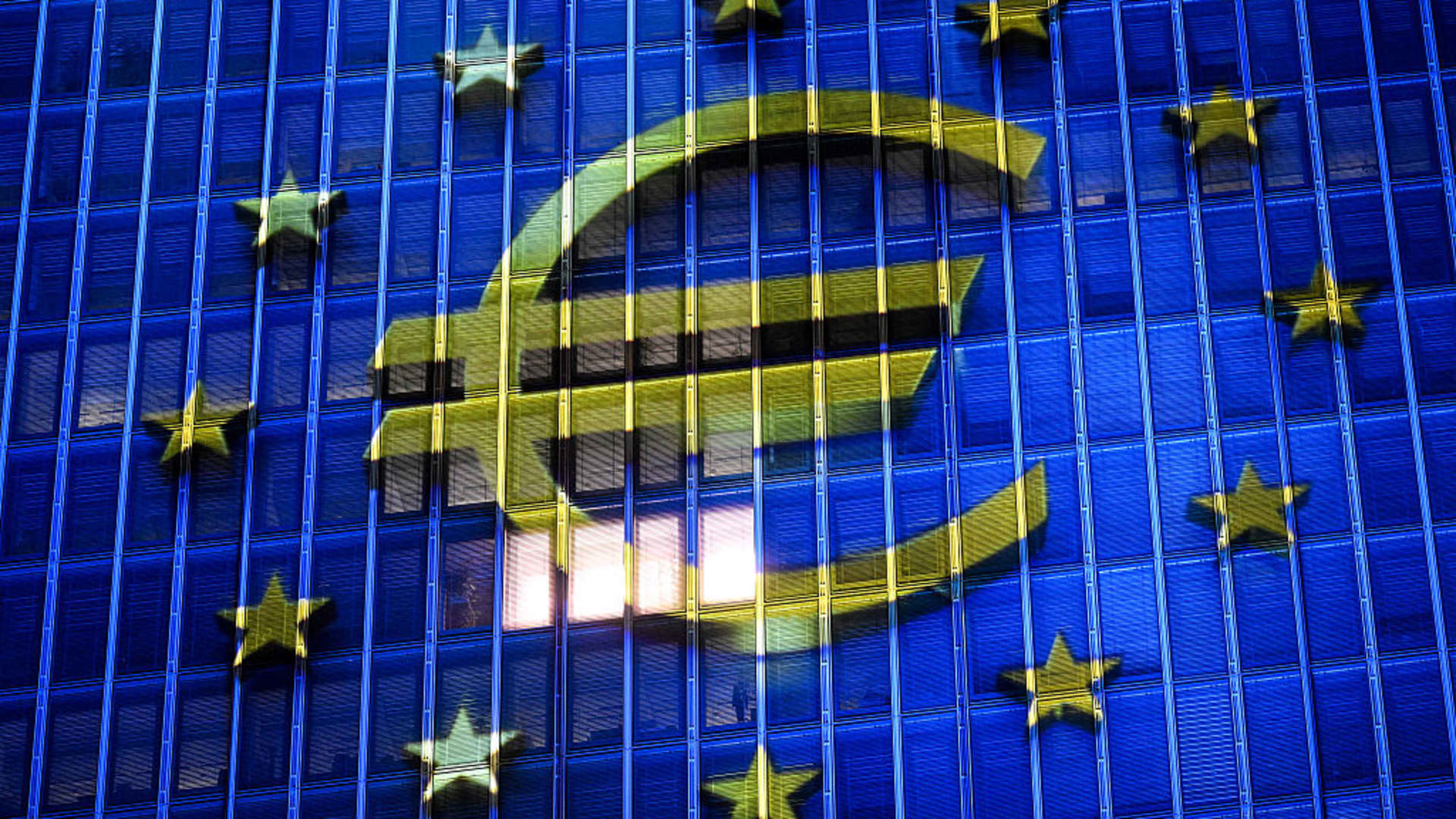
Eurozone inflation surged to 3.8% in September, significantly exceeding market expectations and the ECB's 2% target. The rise is primarily attributed to climbing energy costs driven by regional instability in the Middle East.
Eurozone Inflation Surges to Three-Year High
Recent economic data has confirmed that the Eurozone is facing a significant inflationary challenge, with annual inflation climbing to 3.8% in September. This figure marks the highest rate observed since September 2023, representing a sharp acceleration from the 3.2% recorded in August. The data has caught financial markets off-guard, as the print comfortably surpassed the 3.6% forecast that analysts had previously established.
The Drivers of Price Volatility
The primary catalyst for this inflationary spike is the volatility in global energy markets. As noted in recent reports, the ongoing conflict in the Middle East has introduced significant uncertainty regarding energy supplies, leading to a direct and immediate impact on consumer prices across the Eurozone. Because energy is a critical input cost for both industrial production and household consumption, the sudden surge in energy prices has acted as a primary driver for the headline inflation figure.
Assessing Core Inflation and Market Expectations
While the headline figure of 3.8% paints a stark picture, core inflation—which excludes volatile items like energy and food—remains relatively stable at 2.5%. This aligns with market expectations, suggesting that the underlying inflationary pressures in the broader European economy remain somewhat contained compared to the energy-driven spike. However, the gap between core inflation and the headline rate highlights the acute sensitivity of the Eurozone to external geopolitical shocks.
The European Central Bank's Policy Dilemma
The European Central Bank (ECB) maintains a strict target of 2% inflation to ensure price stability. With the current rate at nearly double that target, the ECB faces a complex policy environment. Policymakers must now weigh the need to curb inflation against the risk of stifling economic growth, especially as geopolitical tensions continue to threaten the stability of energy imports. This divergence between the 2% goal and the 3.8% reality complicates the outlook for future interest rate adjustments.
Broader Economic Implications and Future Trends
Looking ahead, the trajectory of Eurozone inflation will be inextricably linked to the duration and intensity of the conflict in the Middle East. If energy prices remain elevated or continue to climb, the risk of second-round effects—whereby higher energy costs bleed into wages and services—becomes a significant concern for central bankers. Markets will likely remain sensitive to any updates regarding supply chain stability or further escalations that could exacerbate energy market pressure.
Conclusion
In summary, the rise to 3.8% inflation is a critical development that underscores the Eurozone's vulnerability to global geopolitical events. While core inflation remains anchored at 2.5%, the headline surge serves as a warning of how quickly external shocks can disrupt price stability. Investors and policymakers alike will need to monitor the situation closely, as the balance between controlling inflation and supporting economic recovery remains highly precarious.