A 600-mile road trip (and data) proves EV charging doesn’t suck anymore
Source Entity
Tim De Chant
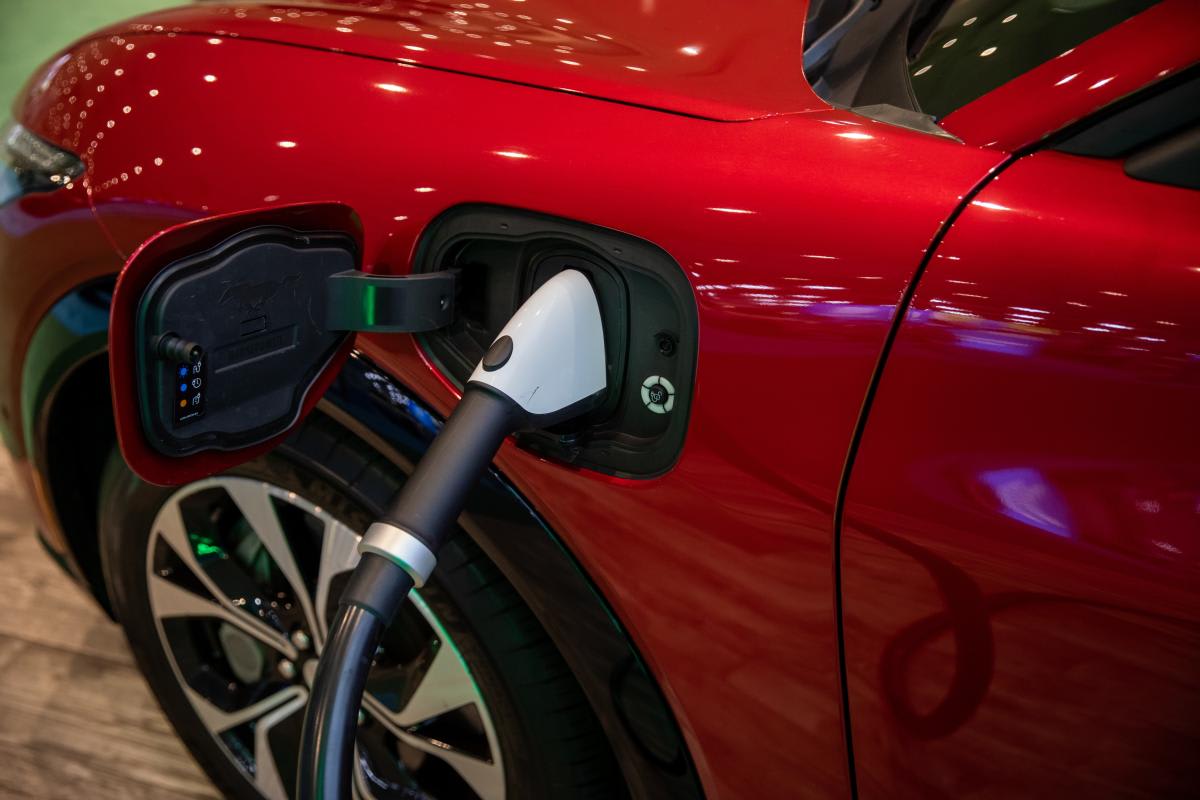
A 600-mile road trip demonstrates significant improvements in U.S. DC Fast charging reliability and speed. These advancements suggest that historical concerns regarding EV infrastructure are becoming increasingly outdated.
The Evolving Landscape of EV Infrastructure
For years, the transition to electric vehicles (EVs) has been shadowed by a persistent phenomenon known as 'range anxiety,' often exacerbated by the perceived unreliability of public charging networks. A recent 600-mile road trip to Montreal serves as a critical case study in how far the industry has progressed. The journey highlights a shift from the 'lackluster' performance that defined the early 2020s to a modern, more seamless charging experience that aligns with consumer expectations for long-distance travel.
Addressing the 'Bill of Rights' for Charging
In 2023, the state of DC Fast charging was so inconsistent that it prompted the creation of a 'bill of rights' for EV owners, detailing seven essential improvements required for network survival. This framework acted as a benchmark for accountability, demanding better uptime, improved payment integrations, and faster charge speeds. The current reality suggests that network operators have begun to heed these calls, as the recent road test yielded a nearly flawless experience, a stark contrast to similar trips undertaken only three years ago.
The Shift in Consumer Sentiment
Despite these technical advancements, the psychological hurdle remains significant. Data from a recent AAA survey indicates that over half of prospective EV buyers still cite public charging infrastructure as a primary barrier to adoption. This disconnect between reality and perception is common during technological shifts; however, as more users document reliable experiences, the data-driven narrative will likely begin to erode these long-standing concerns, potentially accelerating market penetration.
Infrastructure as an Economic Lever
Reliability is not merely a convenience; it is the backbone of the EV economy. When charging networks fail, they damage the credibility of the entire automotive sector. The observed improvement in DC Fast charging speed and reliability suggests that infrastructure investment is finally catching up to vehicle hardware advancements. As charging becomes 'boring'—meaning reliable and predictable—the focus of the EV buying public will inevitably shift toward vehicle performance and cost, rather than the logistics of refueling.
Predicting Future Trends
Looking ahead, the trend toward standardized, high-speed charging will likely continue as competition between networks intensifies. The success of this 600-mile journey implies that we are moving out of the 'pioneer phase' of EV ownership and into a 'utility phase,' where the vehicle is viewed less as a niche experiment and more as a standard appliance. If this trajectory of improvement holds, the 'bill of rights' drafted in 2023 may soon be viewed as a relic of a time when charging was the primary obstacle to the electrification of transport.
Conclusion
The transformation of the EV charging landscape is a testament to the rapid pace of technological maturation. By moving past the reliability issues that once plagued the industry, operators are effectively removing the final major barrier for widespread adoption. While consumer perception often lags behind reality, the evidence from recent long-distance travel proves that the infrastructure is finally becoming capable of supporting the mainstream transition to electric mobility.