Watch: Pidari Ekaveeri: a fierce Goddess, a captivating smile, and Raja Raja’s mother-in-law’s grant
Source Entity
India Latest News: Top National Headlines Today & Breaking News | The Hindu
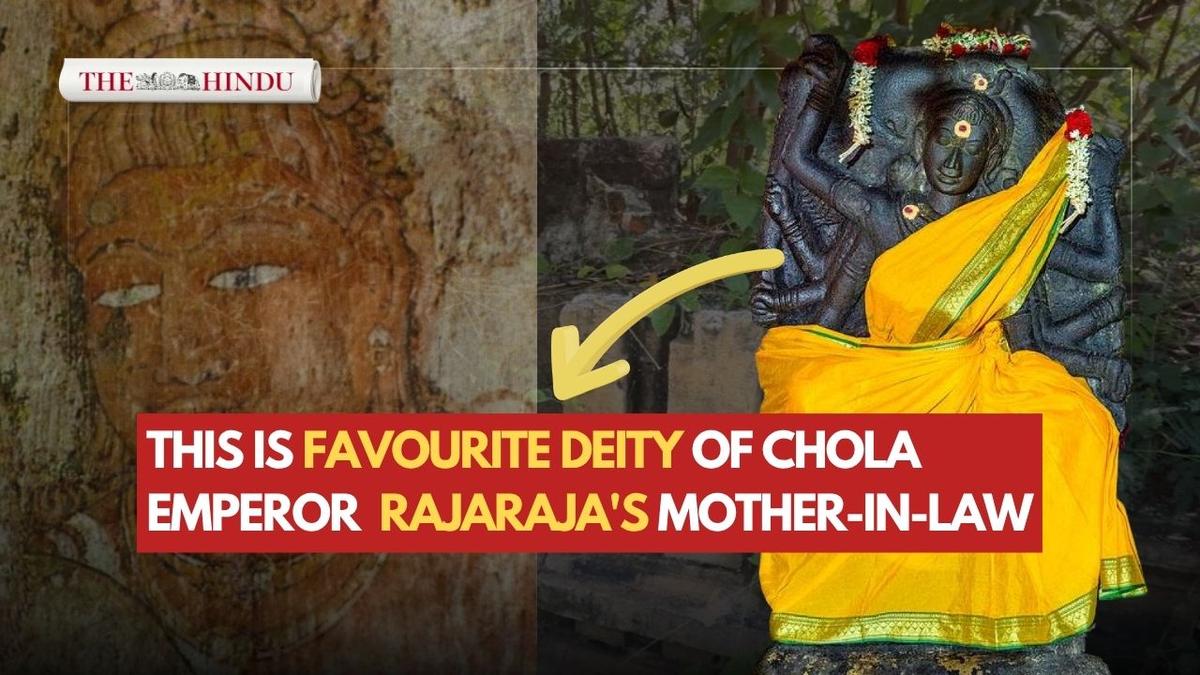
Recent explorations of South Indian temple iconography reveal historical shifts in the portrayal of divine figures like Pidari Ekaveeri and Goddess Saraswathi. These findings challenge modern perceptions by highlighting the evolution of artistic symbolism in ancient religious art.
The Evolving Iconography of South Indian Deities
The study of South Indian temple art provides a profound window into the cultural and theological evolution of the region. Recent focus on the Tiruvalanchuzhi Temple and early artistic representations of Saraswathi reveals that our modern, standardized images of deities are often the result of centuries of symbolic refinement rather than static historical truth.
The Duality of Pidari Ekaveeri
At the Tiruvalanchuzhi Temple, the deity Pidari Ekaveeri stands as a testament to the complex iconography of guardian goddesses. Characterized by her eight arms, an array of lethal weaponry, and a garland of human skulls, she embodies the fierce, protective aspect of the divine. Yet, the most captivating feature of this statue is the striking, serene smile that contrasts with her terrifying accoutrements. This juxtaposition serves a vital function in religious art, suggesting that the protector’s ferocity is tempered by an underlying benevolence, a theme often explored in Chola-era patronage and the historical context of royal grants.
Deconstructing the Saraswathi Archetype
Similarly, the traditional image of Goddess Saraswathi—seated on a lotus and clutching a veena—has become so ubiquitous that it is difficult to imagine her otherwise. However, historical evidence from early South Indian temple art suggests a different vision. By questioning why the veena is absent in older depictions, scholars are peeling back layers of cultural conditioning to understand how the goddess of wisdom was originally conceptualized before the solidification of popular, homogenized iconography.
Historical Context and Artistic Evolution
These two examples highlight a broader trend in Indian art history: the fluidity of divine representation. In ancient times, the attributes assigned to a deity were often dictated by regional traditions, specific temple requirements, or the evolving philosophy of the era. The shift away from, or toward, specific symbols—such as the veena for Saraswathi or the weaponry of a guardian goddess—reflects the changing intellectual climate of South Indian society.
Broader Implications for Cultural Heritage
Understanding these variations is crucial for preserving the nuance of Indian cultural heritage. When we recognize that these images are not monolithic, we gain a deeper appreciation for the creative license and theological depth of ancient sculptors. These findings invite a reassessment of how religious narratives are visually constructed and how they adapt to meet the changing spiritual needs of a society over centuries.
Conclusion: A Legacy of Complexity
Ultimately, the study of Pidari Ekaveeri and early Saraswathi imagery serves as a reminder that history is rarely as simple as contemporary media suggests. By examining these temple artifacts, we are reminded of a time when the divine was represented with more local, diverse, and sometimes jarringly complex characteristics, inviting modern viewers to look closer at the silent stones of ancient temples.
Multiple Citing Sources
Verification Required?