US ground op soon? Netanyahu prepares 'top‑secret' Pickaxe dossier for Trump; Iran says no deal ever
Source Entity
Latest News: Todays Latest News Headlines from India & World | Hindustan Times | Hindustan Times
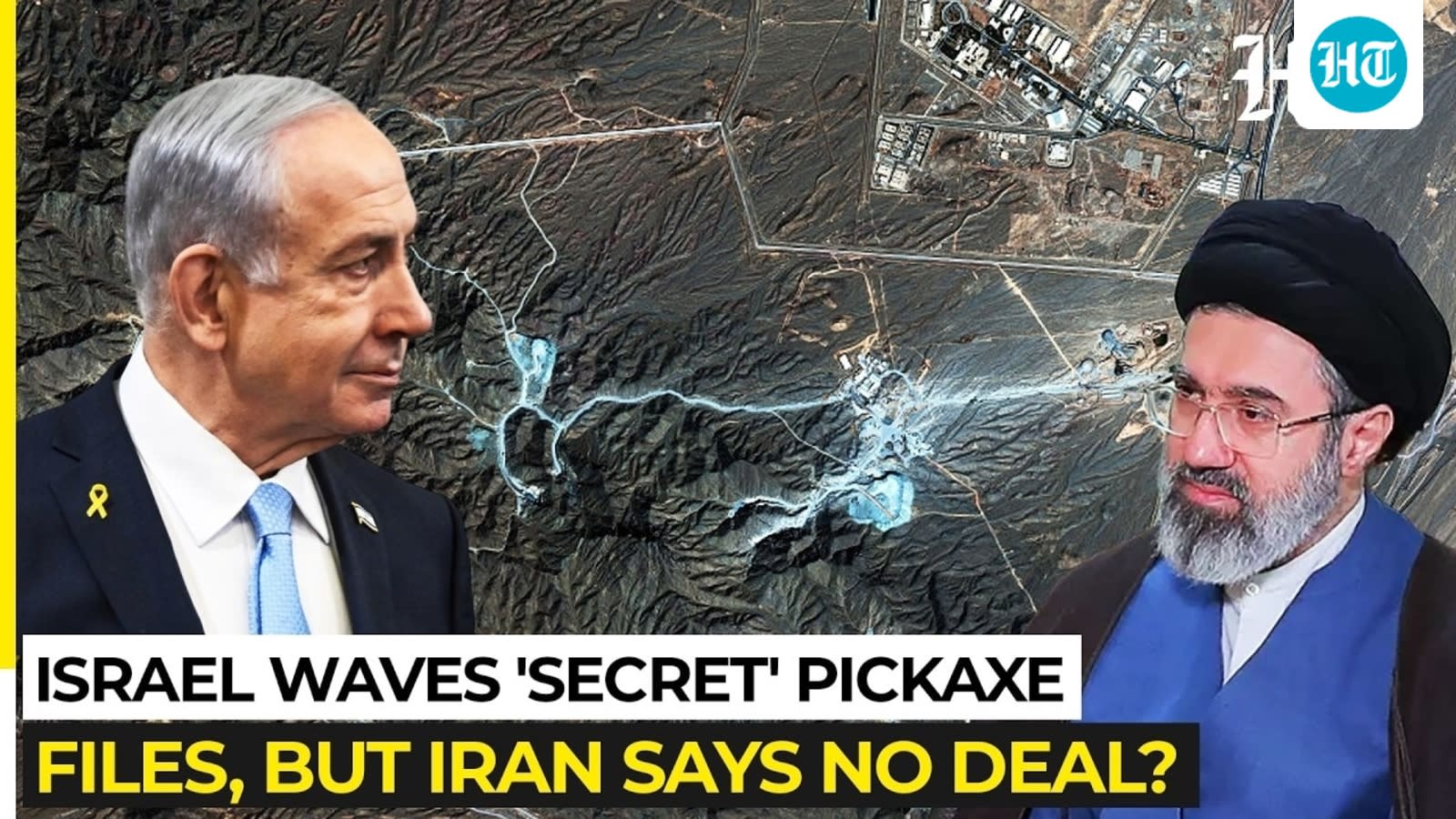
President Trump is set to meet with Prime Minister Netanyahu and President Zelenskyy as the U.S. navigates converging conflicts in the Middle East and Ukraine. High-stakes discussions will focus on Iran's nuclear program and maintaining support for Kyiv amid escalating global tensions.
A Convergence of Global Crises
President Donald Trump is set to host high-stakes meetings at the White House this week, engaging with Israeli Prime Minister Benjamin Netanyahu and Ukrainian President Volodymyr Zelenskyy. These diplomatic efforts arrive at a precarious moment as the U.S.-led war against Iran and Russia’s ongoing invasion of Ukraine reach critical junctures. The overlapping nature of these conflicts has created a complex web of geopolitical instability that threatens to stretch Western resources and focus to their absolute limits.
The 'Pickaxe' Dossier and Iranian Nuclear Tensions
Central to the discussions with Prime Minister Netanyahu is the emergence of a 'top-secret' dossier concerning Iran’s alleged 'Pickaxe Mountain' nuclear facility. As the war in the Middle East approaches its three-year mark, Israel continues to target militants while Gaza grapples with a dire humanitarian crisis. Netanyahu’s presentation of intelligence regarding renewed nuclear activity is intended to pressure the U.S. administration toward a more aggressive posture. Tehran, however, has remained defiant, asserting that it will not abandon its nuclear rights or capitulate to external pressure, further complicating the prospects of a diplomatic breakthrough.
Strategic Shifts in the U.S.-Iran Conflict
President Trump has recently paused U.S. airstrikes against Iran, a move framed as a final effort to prioritize diplomacy over further kinetic escalation. This strategic pause is fragile, as fears of a broader military escalation—driven by Iran’s advanced missile and drone capabilities—remain high. The decision to pursue a diplomatic window is likely a calculated attempt to avoid a full-scale ground operation, even as the administration weighs the intelligence provided by Israeli counterparts.
The Ukraine-Iran Nexus
Simultaneously, the meeting with President Zelenskyy highlights the growing intersection of the two major theaters of war. Recent reports indicate that the conflicts are beginning to converge, exemplified by Kyiv’s recent attack on an Iranian commercial vessel. This development suggests that the global security architecture is increasingly interconnected, with the military cooperation between Russia and Iran forcing Ukraine and its allies to view these regional wars as components of a single, larger geopolitical struggle.
Future Trends and Diplomatic Challenges
Looking ahead, the administration faces the daunting task of managing two distinct but linked crises. If the 'Pickaxe' dossier forces a shift in U.S. policy toward Iran, it may inadvertently impact the support structure available for Ukraine, as military assets and diplomatic bandwidth are reallocated. Conversely, Zelenskyy arrives in Washington seeking to capitalize on recent deep-strike successes against Russian territory, aiming to secure sustained long-term commitment from the U.S. at a time when the administration is being pulled toward the Middle East.
Conclusion: A Pivot Point for U.S. Foreign Policy
The upcoming White House meetings represent a critical pivot point for U.S. foreign policy. Whether these discussions lead to de-escalation or further entrenchment depends on the administration’s ability to balance the immediate security concerns of Israel regarding Iran’s nuclear ambitions with the existential necessity of maintaining the Ukrainian front. As the lines between these conflicts blur, the U.S. finds itself in a race against time to prevent a cascading failure of regional stability in both Eastern Europe and the Middle East.
Verification Required?