US flights to return to normal by Sunday after nationwide ground stop, FAA says
Source Entity
Latest News: Todays Latest News Headlines from India & World | Hindustan Times
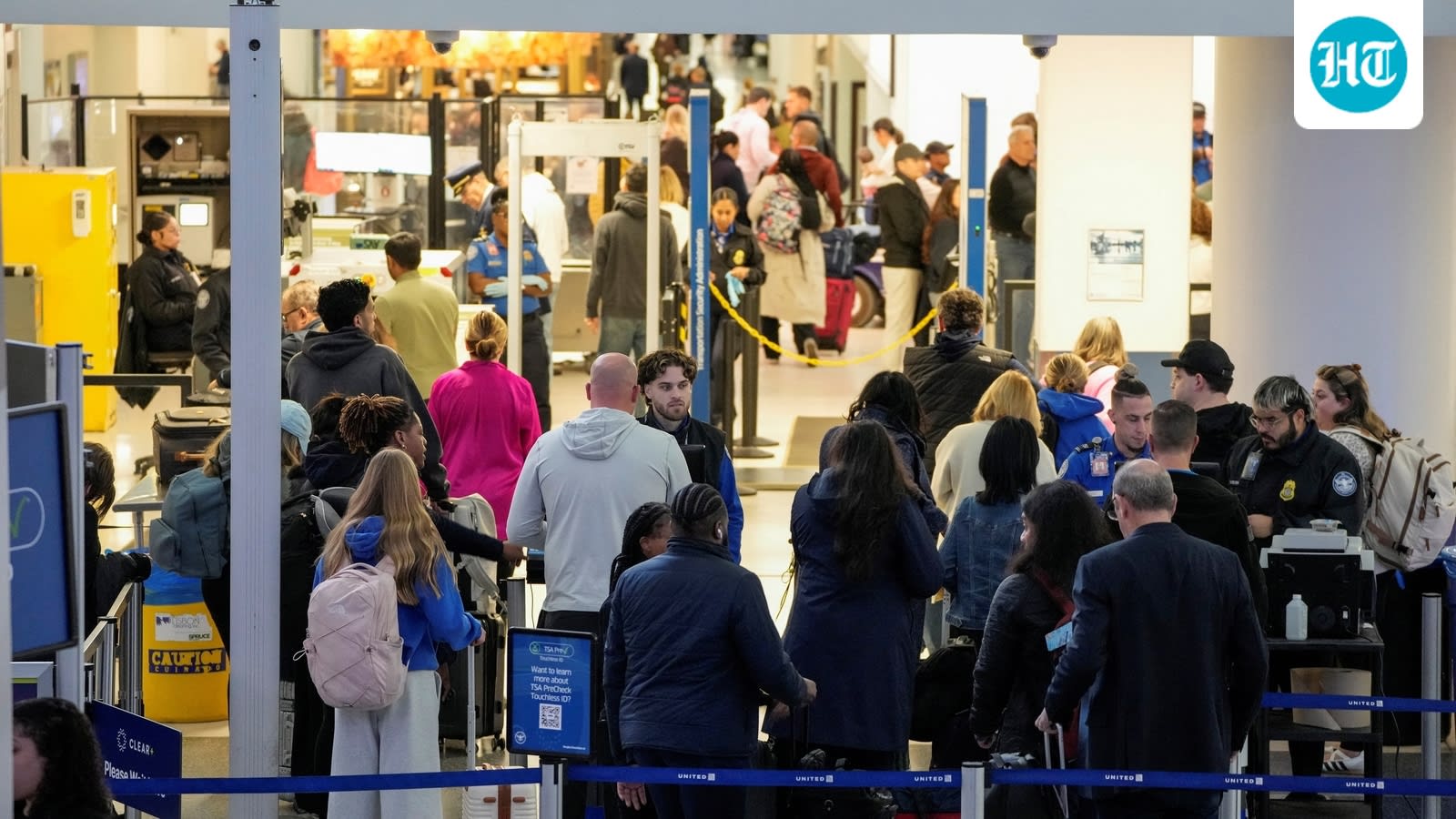
A major FAA ground stop caused by aging infrastructure and system overloads led to thousands of flight cancellations and delays. While operations have resumed, the recovery process is expected to impact travel for several days.
The FAA Infrastructure Crisis: A Systemic Failure
The recent nationwide ground stop, which halted U.S. air travel for over four hours, stands as the most significant disruption to the national airspace in 25 years. This event, which saw thousands of flights grounded, highlights a precarious reliance on aging infrastructure within the Federal Aviation Administration (FAA). According to reports, the catalyst for this failure was the repair of old copper wiring, which proved insufficient to handle the demands of new, modernized technology being integrated into the air traffic control system.
The Impact of Modernization on Antiquated Systems
The technical breakdown occurred when new hardware was introduced to the existing framework. Trump administration officials noted that this integration overloaded antiquated equipment, resulting in intermittent communications and radar gaps. This mismatch between legacy infrastructure—some of which still relies on decades-old copper wiring—and the high-bandwidth needs of modern aviation software serves as a stark reminder of the challenges inherent in upgrading critical national systems without a total overhaul of the underlying hardware.
Operational Chaos and Recovery Efforts
The immediate aftermath of the ground stop was widespread chaos, with FlightAware reporting over 6,200 delays and 3,400 cancellations within a 24-hour window. Even after the FAA lifted the ground stop at 8:15 p.m. ET on Friday and confirmed system stability, the ripple effects persisted through the weekend. Airlines were forced to manage a massive backlog of passengers, leading to further cancellations as crews and aircraft were displaced from their scheduled routes.
Broader Implications for National Infrastructure
This incident transcends a mere technical glitch; it underscores a broader vulnerability in the U.S. transportation sector. The reliance on legacy systems to manage modern air traffic creates a single point of failure that can paralyze the entire domestic economy. The necessity of testing systems for stability before clearing flights, as emphasized by the FAA, demonstrates the high-stakes environment in which these technicians operate, where the pressure to restore service must be balanced against the absolute requirement for passenger safety.
Looking Toward Future Travel Stability
As the aviation industry attempts to recover, officials remain optimistic that operations will return to normalcy in time for major travel windows, such as the upcoming Thanksgiving rush. However, the event has reignited debates regarding the speed and scope of infrastructure modernization. Future trends will likely focus on aggressive capital investment to phase out remaining copper-based legacy components, ensuring that the air traffic control system can support the increasing volume of air travel without the risk of catastrophic failure during routine maintenance or upgrades.
Multiple Citing Sources
Verification Required?