Indian national linked to Lawrence Bishnoi gang on FBI’s ‘Most Wanted’ List
Source Entity
The Indian Express
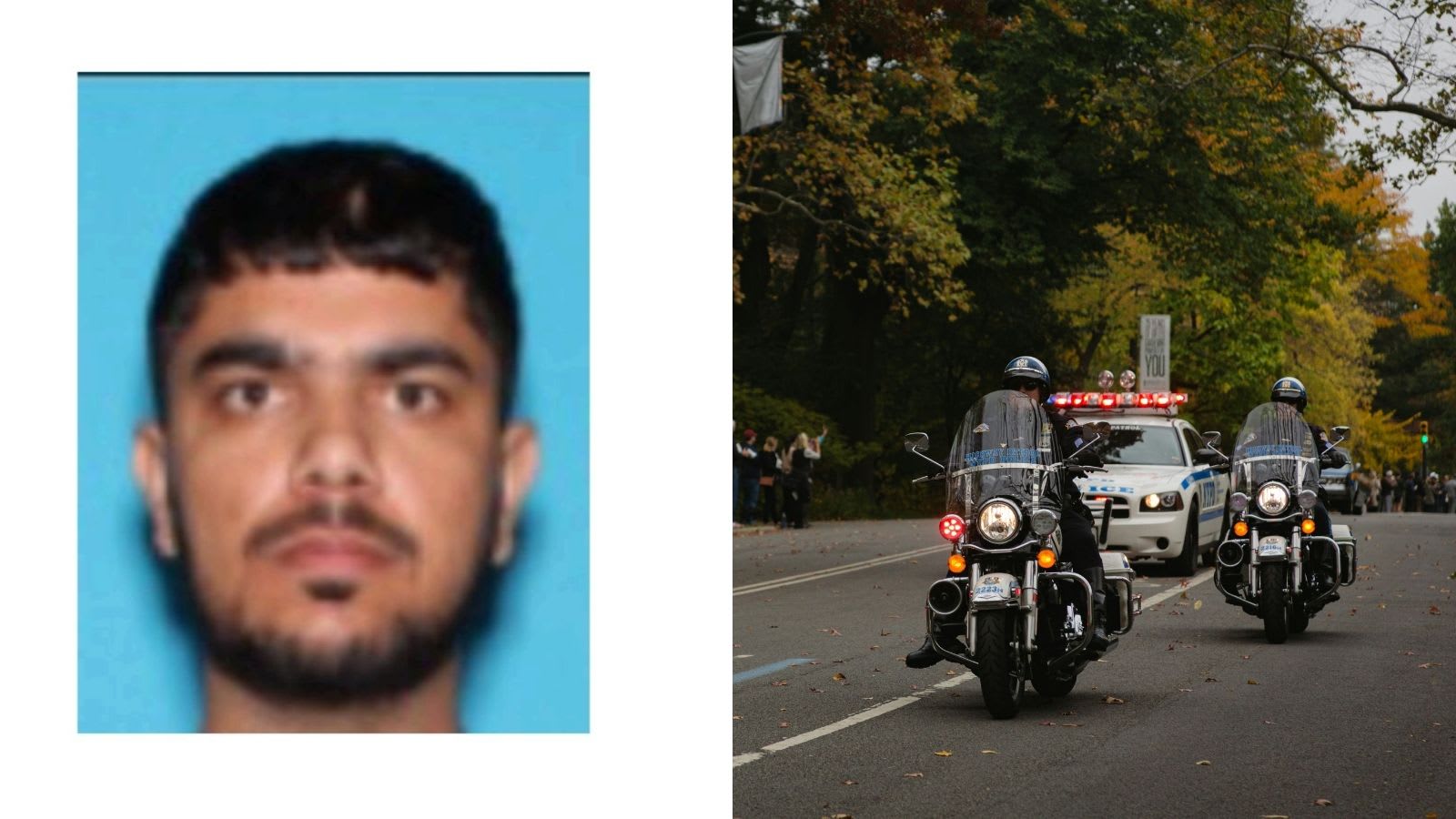
The FBI has placed an Indian national known as 'Kamal' on its Most Wanted list for his alleged role in a transnational extortion conspiracy linked to the Lawrence Bishnoi gang. A federal arrest warrant was issued in California in July 2026, highlighting the expansion of these criminal activities into the United States.
FBI Targets Bishnoi Gang Operative in Transnational Extortion Probe
The Federal Bureau of Investigation (FBI) has officially escalated its pursuit of transnational organized crime by placing an Indian national, identified only as 'Kamal,' on its Most Wanted list. This high-profile designation follows a federal arrest warrant issued on July 1, 2026, by the US District Court for the Central District of California, marking a significant development in the investigation into the Lawrence Bishnoi Organized Crime Group.
The Nature of the Allegations
According to the FBI’s notification, Kamal is sought for his alleged role in a conspiracy to interfere with commerce through extortion. The agency characterizes the Lawrence Bishnoi group as a transnational criminal organization that originated in the Punjab state of India. The specific charges suggest that the group's operational reach has extended beyond its traditional geographic base to include activities within the Central District of California and potentially other regions in the United States.
Broadening Global Security Concerns
This case underscores a growing concern among international law enforcement regarding the globalization of organized crime syndicates. By operating across borders, these groups attempt to exploit jurisdictional gaps, making the FBI’s involvement a critical step in curbing their influence. The inclusion of an individual linked to the Bishnoi gang on the Most Wanted list signals that US authorities are treating these extortion rings as a severe threat to domestic commerce and public safety.
The Challenge of Attribution
One of the most notable aspects of this investigation is the FBI's public acknowledgment that the suspect is currently identified only as "No Name Given Kamal." This lack of a full legal identity complicates traditional investigative efforts but highlights the sophisticated, often opaque nature of criminal networks that utilize aliases and fragmented communication to evade detection. The FBI’s willingness to publicize this case despite the limited personal information available demonstrates the urgency of the threat posed by the group's extortion tactics.
Implications and Future Trends
As this investigation progresses, it is likely to serve as a catalyst for increased cooperation between Indian and American law enforcement agencies. The transition of the Bishnoi gang's alleged activities into the US legal system suggests that future policy responses will need to focus on identifying the financial conduits and logistical support structures that allow such organizations to thrive in foreign markets. This case stands as a landmark example of how local criminal enterprises are increasingly evolving into complex, globalized threats that require a unified, international response.
Multiple Citing Sources