Watch: Indian seafarers take cover as vessel attacked in Hormuz back in April
Source Entity
AADRITA HALDER
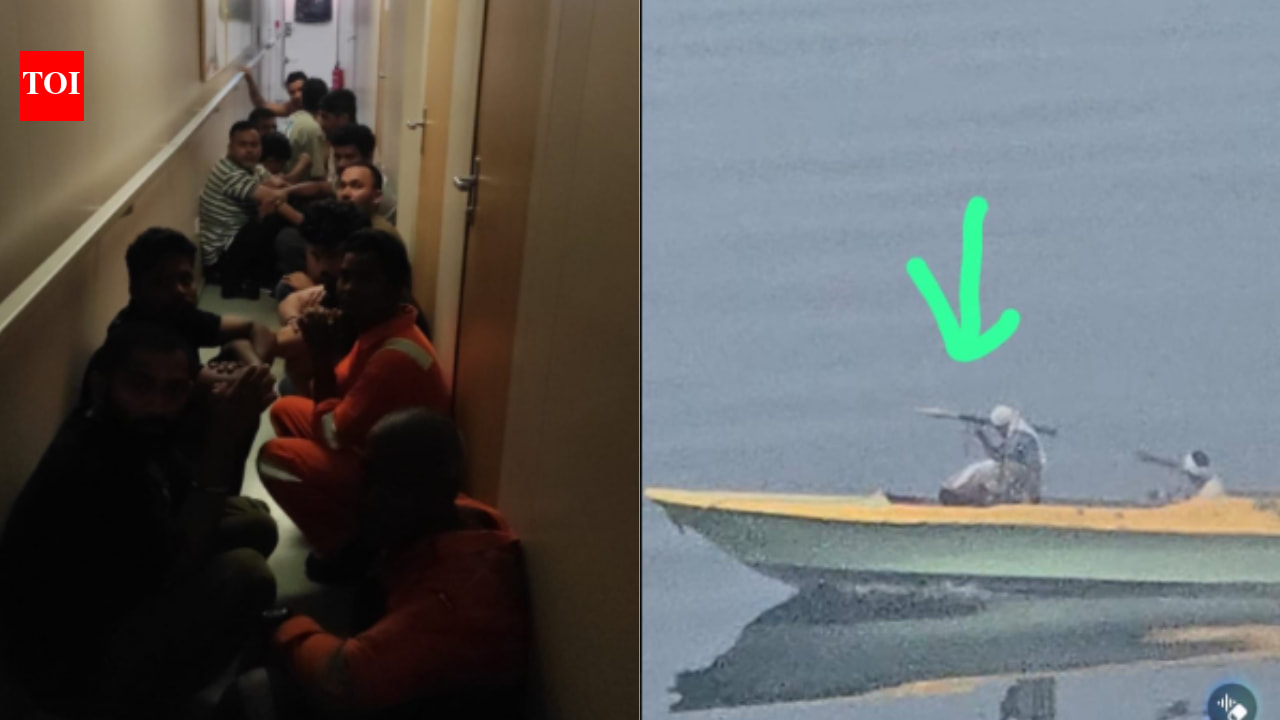
Six Indian nationals are among the 10-member crew of the Cameroon-flagged M/V LUTUF, which was hijacked by pirates off the coast of Somalia. The vessel was transporting Turkish military equipment and communications hardware to Mogadishu when it was seized.
Maritime Security Crisis: The Hijacking of M/V LUTUF
The Incident Off the Somali Coast
A serious maritime security incident unfolded off the coast of Puntland, Somalia, when the Cameroon-flagged cargo ship M/V LUTUF was hijacked by pirates. The vessel, which was seized on August 17, 2026, near Marraya in the Eyl district, was carrying a sensitive cargo including Turkish weapons and advanced communication and satellite equipment destined for a military training facility in Mogadishu. Reports confirm that the ship was subsequently moved toward the Nugaal coast by the hijackers.
Crew Composition and Nationality Concerns
The hijacking has sparked significant international concern due to the diverse makeup of the 10-member crew. Among those held are six Indian nationals, alongside a Turkish national, a Georgian national, and two Serbian security guards. The presence of Indian citizens on a vessel carrying military hardware highlights the vulnerabilities faced by international merchant mariners navigating high-risk zones, where they are often caught in the crossfire of regional geopolitical tensions.
Geopolitical Implications of the Cargo
The nature of the cargo—specifically Turkish weapons intended for a military training facility in Mogadishu—adds a layer of complexity to the hijacking. Somalia’s Puntland region has historically been a hotspot for piracy, but the targeting of a vessel carrying state-level military equipment suggests that pirate syndicates may be evolving their intelligence-gathering capabilities. This incident necessitates a closer look at the security protocols surrounding the transport of military assets through volatile maritime corridors.
Historical Context of Somali Piracy
While international naval patrols have significantly reduced the frequency of Somali piracy over the last decade, the resurgence of such incidents serves as a grim reminder that the underlying instability in the region remains unresolved. The Eyl district and the broader Puntland coast have long been challenging environments for maritime transit. The hijacking of the M/V LUTUF demonstrates that despite regional governance efforts, the threat to commercial shipping persists, particularly when vessels are perceived to be carrying high-value or strategic cargo.
Broader Regional Trends
This event must be contextualized within the broader landscape of maritime instability in the Indian Ocean region. While separate from the tensions observed in the Strait of Hormuz involving Iranian naval activity, these incidents collectively underscore the extreme risks faced by international shipping lanes. The involvement of Indian sailors in these incidents frequently forces the Indian government to engage in high-stakes diplomatic efforts to ensure the safety and release of its citizens, highlighting the critical intersection of maritime labor, national security, and international diplomacy.
Future Outlook and Policy Implications
Moving forward, the international community must reassess the security framework for the Horn of Africa. The ability of pirate groups to intercept vessels carrying military-grade equipment indicates a need for enhanced naval cooperation and stricter intelligence sharing between regional authorities and international stakeholders. Protecting the lives of merchant mariners, such as the six Indian nationals currently in captivity, remains the primary imperative, while simultaneously addressing the security gaps that allow such brazen acts of piracy to occur.
Multiple Citing Sources