Robinhood CEO Calls On U.S. To Approve Tokenized Stocks
Source Entity
Yahoo Finance
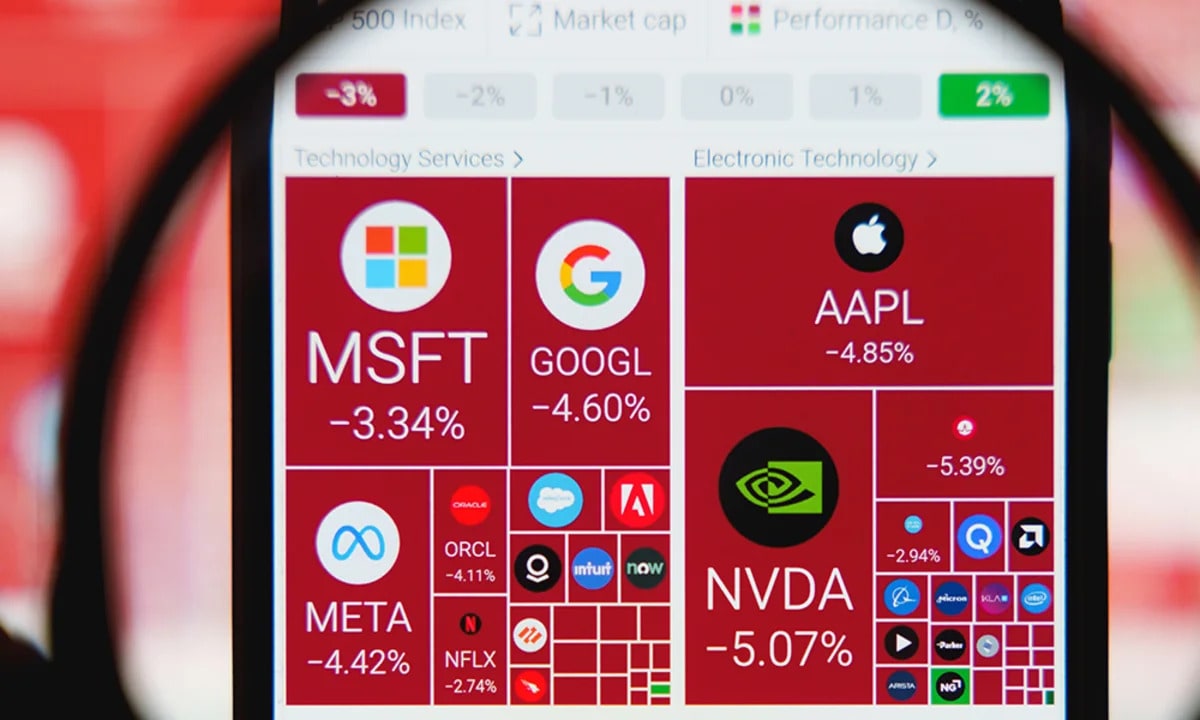
Robinhood CEO Vlad Tenev is urging U.S. regulators to authorize tokenized stocks to maintain competitive parity with global markets. Tenev warns that the U.S. risks falling behind as the world enters a 'tokenization super cycle' that could redefine financial infrastructure.
The Push for Tokenized Equities
Robinhood Markets CEO Vlad Tenev has ignited a critical conversation regarding the future of American financial infrastructure by calling on U.S. regulators to formally approve the use of tokenized stocks. Currently, while Robinhood has successfully implemented a model for tokenized shares internationally—covering over 190 U.S. stocks across 120 countries—the domestic market remains restricted. Tenev’s public stance highlights a growing tension between traditional regulatory frameworks and the rapid evolution of blockchain-based financial tools.
The 'Tokenization Super Cycle'
Tenev characterizes the current global financial landscape as being in the nascent stages of a "tokenization super cycle." This concept suggests a fundamental shift where traditional assets are represented on a blockchain, potentially offering 24/7 trading, increased transparency, and faster settlement times. By advocating for this transition, Tenev is positioning Robinhood at the forefront of a movement that seeks to bridge the gap between legacy brokerage systems and decentralized ledger technology.
Competitive Risks to the U.S. Market
A primary concern driving Tenev’s advocacy is the risk of the United States ceding its dominance in financial innovation to overseas competitors. As other jurisdictions establish clearer regulatory pathways for tokenized assets, the U.S. faces the prospect of losing its status as the world’s financial hub. Tenev suggests that without proactive regulatory updates, the next generation of financial-market infrastructure will be built abroad, leaving American firms and investors at a strategic disadvantage.
Understanding the Mechanism
It is essential to clarify the nature of the tokenized assets Robinhood currently offers globally. These shares are backed 1:1 by underlying stocks, ensuring that the token value maintains a direct correlation to the equity price. However, a crucial distinction exists: holders of these tokens do not directly own the underlying shares in the same legal sense as a traditional brokerage account holder. This nuance is precisely what has prompted caution among U.S. regulators, who prioritize investor protection and clear ownership rights.
Future Implications and Regulatory Hurdles
The path forward for tokenized stocks in the U.S. will likely depend on how regulators address the legal complexities of ownership and settlement. If successful, the adoption of tokenized stocks could streamline the trading process, reduce friction for retail investors, and modernize the clearinghouse system. However, the regulatory environment remains conservative, focusing on how these digital proxies fit into existing frameworks like the Securities Act of 1933 and the Exchange Act of 1934.
Conclusion
The call for tokenized stocks represents a pivotal moment for fintech companies like Robinhood. As the firm continues to navigate the complexities of international markets, its domestic strategy remains anchored in a push for regulatory modernization. Whether U.S. authorities will embrace this "super cycle" remains to be seen, but the debate underscores an inevitable transition toward a more digitized and efficient global financial system.