‘Non-answers’ aren’t working. This is what investors really need from the Fed.
Source Entity
Greg Robb
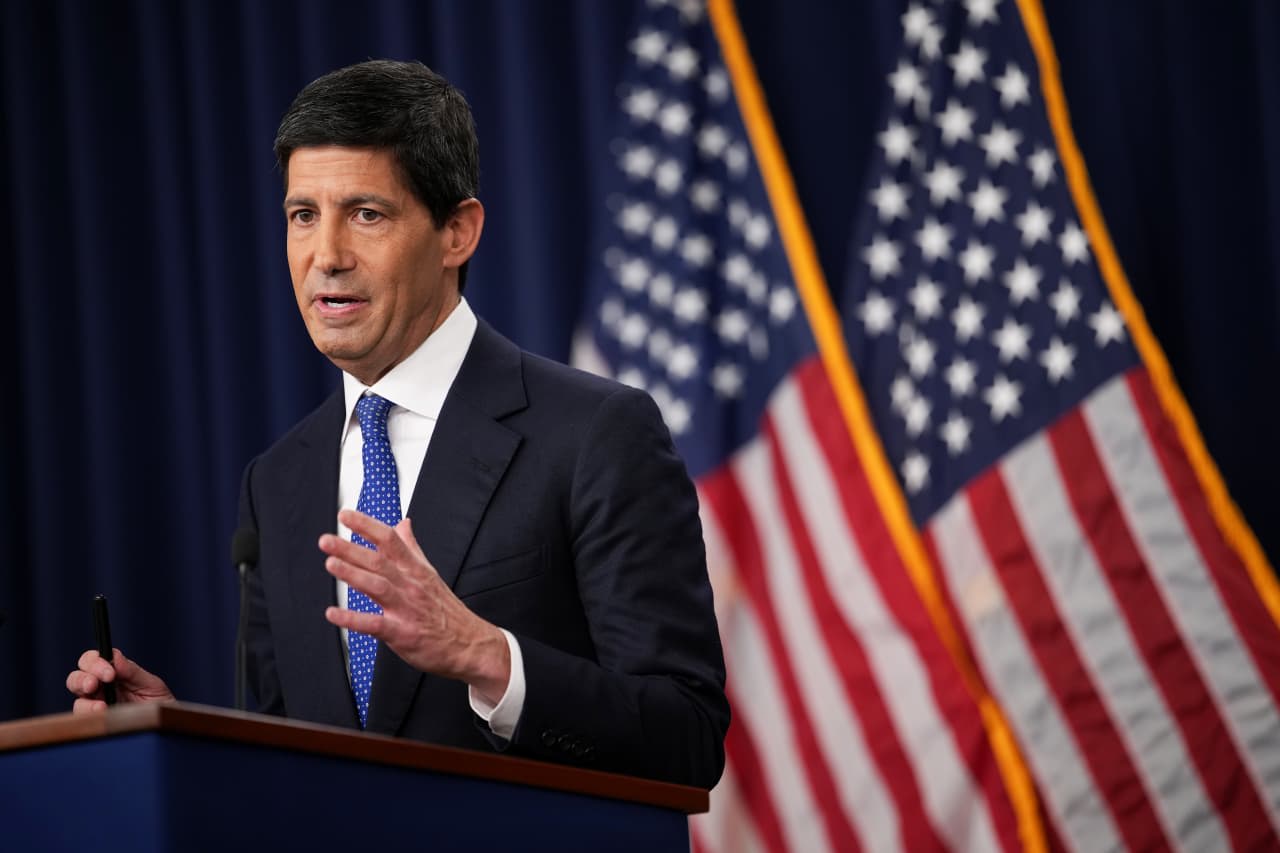
Investors are calling for Fed Chairman Kevin Warsh to improve his communication strategy regarding central bank policy. The market's stability currently hinges on his ability to provide clear, actionable guidance rather than vague responses.
The Imperative for Clarity in Federal Reserve Communication
In the current economic climate, the relationship between the Federal Reserve and the investment community has reached a critical juncture. The core of the issue lies in the perception that Chairman Kevin Warsh has relied too heavily on ambiguous messaging, leading to market uncertainty. Economists argue that for the Fed to maintain its credibility and influence, it must pivot toward a more transparent and predictable communication framework.
The Impact of Ambiguity on Asset Pricing
When central bank leadership employs 'non-answers' during press conferences or policy statements, the immediate result is heightened volatility. Investors, who rely on forward guidance to price assets and manage risk, are left to speculate on the Fed's true trajectory regarding interest rates and quantitative policies. This lack of clear signals forces a risk premium onto the market, as uncertainty acts as a drag on long-term capital allocation and economic growth.
Establishing Credibility Through Strategy
For Kevin Warsh, the task is twofold: he must not only formulate sound monetary policy but also effectively articulate the 'why' behind his decisions. History has shown that the most successful Fed Chairs are those who can anchor market expectations by providing a logical, consistent narrative. By moving away from vague rhetoric, Warsh can reduce the noise that currently plagues trading floors and foster a more stable environment for both retail and institutional investors.
The Broader Economic Implications
The Federal Reserve’s influence extends far beyond the stock market; it serves as the foundation for the entire global economic system. When the Fed fails to communicate its strategy effectively, it complicates the decision-making processes for businesses and consumers alike. A shift toward clearer, more direct communication would provide the necessary clarity for corporations to plan capital expenditures and for consumers to make informed long-term financial decisions.
Future Trends in Central Banking Communication
Looking ahead, the expectation for transparency is likely to increase. As data-driven algorithms play a larger role in market movements, the 'human' element of Fed communication will be scrutinized more than ever. If Chairman Warsh can successfully transform his communication style to be more deliberate and transparent, he may set a new standard for central bank leadership. Conversely, failure to adapt could result in a persistent disconnect between the Fed and the markets, potentially leading to unnecessary economic friction.
Conclusion
Ultimately, the call for improved communication is a call for institutional stability. As the economy navigates complex inflationary pressures and growth challenges, the burden of leadership rests on the Fed's ability to be understood. Investors are not asking for a crystal ball; they are asking for a coherent strategy that allows them to navigate the future with confidence.
Verification Required?