Analysis: Fed Chairman Warsh faces an inflation credibility test after Congress hearings
Source Entity
US Top News and Analysis
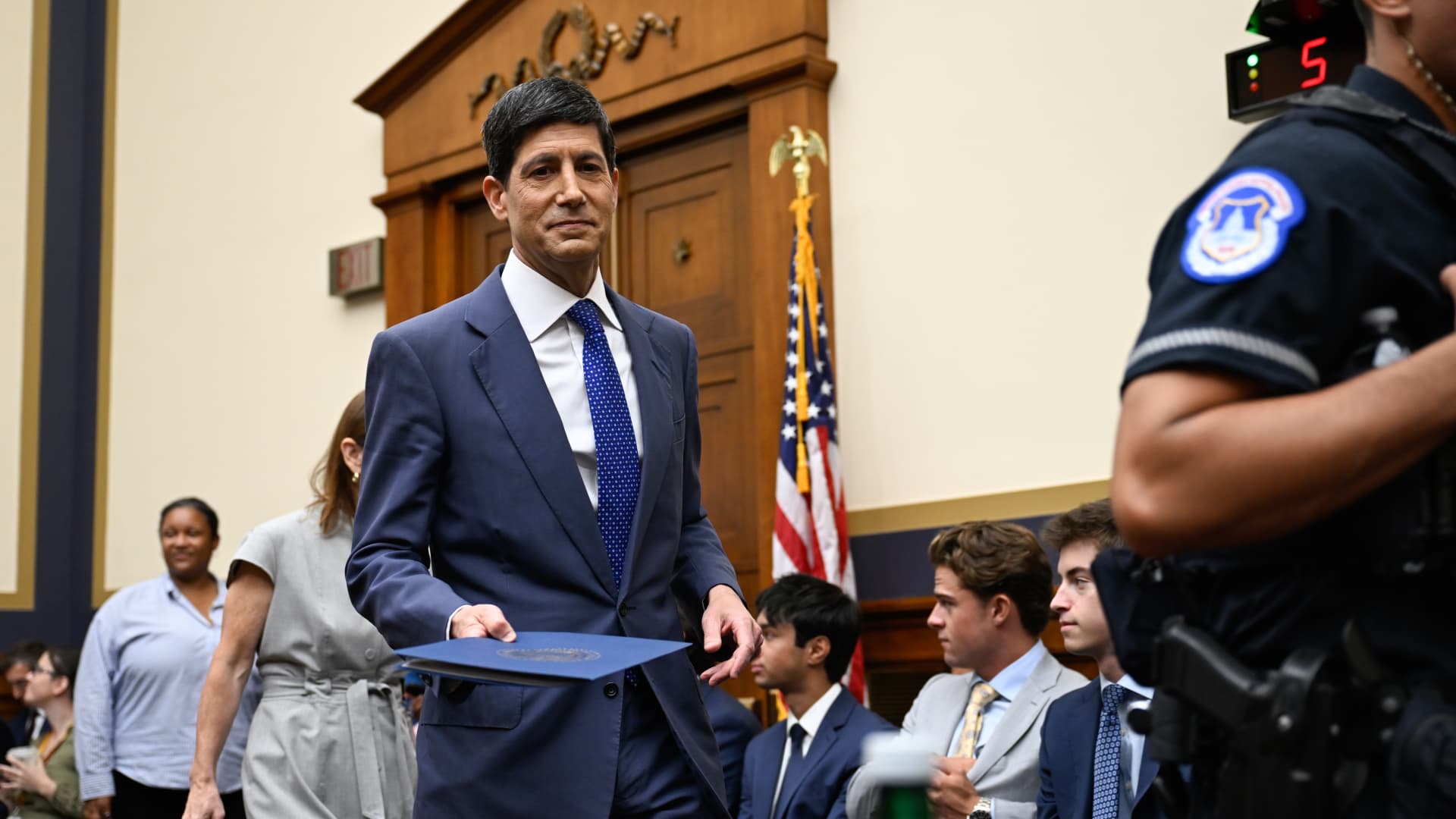
New Fed Chairman Warsh has successfully navigated his initial Congressional hearings, but now faces a critical period to prove his commitment to price stability and inflation control.
The Credibility Gauntlet: Fed Chairman Warsh's First Major Test
Following two days of intense testimony before the House and Senate, the newly appointed Federal Reserve Chairman, Warsh, has emerged from his initial Congressional debut without any major gaffes. While avoiding public stumbles is a necessary first step for any central banker, the transition from political theater to economic execution is where the real challenge begins. The market is now shifting its focus from what Warsh says in a hearing to what he does with the federal funds rate, marking the start of a high-stakes credibility test regarding inflation.
The Significance of the Congressional Testimony
Congressional hearings serve as a vital ritual in the U.S. financial system, acting as a public vetting process for the Fed's leadership. By navigating these sessions smoothly, Warsh has demonstrated a level of poise and communicative competence that is essential for managing market expectations. However, the primary objective of these hearings is not merely to avoid mistakes, but to establish a clear policy direction. The scrutiny he faced from both the House and Senate highlights the deep political divide over inflation management and the pressure on the Fed to maintain its independence while remaining accountable to elected officials.
The Inflation Credibility Gap
At the heart of this analysis is the concept of "inflation credibility." In monetary policy, the beliefs of the public and investors regarding future inflation are often as influential as the actual economic data. If the market believes the Fed Chairman is hesitant to tackle rising prices, inflation expectations can become "unanchored," leading to a wage-price spiral that is far harder to break. Warsh now enters a period where every speech, meeting minute, and policy shift will be parsed for signs of hesitation. His commitment to price stability is not just a policy goal but a psychological signal to the global economy.
Balancing Price Stability and Economic Growth
The challenge Warsh faces is a classic central banking dilemma: the trade-off between curbing inflation and fostering economic growth. While his testimony suggested a firm hand on price stability, the actual implementation of this strategy often involves unpopular measures, such as maintaining higher interest rates that can slow down investment and increase unemployment. The "rapid test" mentioned in the reports refers to the immediate economic data coming in; if inflation remains sticky, Warsh will be forced to choose between maintaining his credibility as a hawk or risking a recession to squash inflation.
Historical Context and Future Trajectory
Historically, the most successful Fed Chairs—such as Paul Volcker in the early 1980s—were those who were willing to endure short-term political and economic pain to establish long-term price stability. Warsh is stepping into a role where the ghost of previous inflationary cycles looms large. Looking forward, the trajectory of the U.S. economy will depend on whether Warsh can transition from the diplomatic language of Congressional hearings to the decisive action required by the Federal Open Market Committee (FOMC). The next few quarters of policy decisions will determine if he is viewed as a steady hand or a cautious administrator.
Conclusion
Chairman Warsh has successfully cleared the first hurdle of his tenure by surviving the political scrutiny of Congress. However, the true measure of his leadership will not be found in the transcripts of his testimony, but in the stability of the dollar and the trajectory of consumer prices. The bridge between political acceptance and economic credibility is narrow, and Warsh must now navigate it with precision to ensure the Federal Reserve remains a trusted anchor for the global economy.