When is the Fed's next meeting? See the full schedule for 2026.
Source Entity
Yahoo Finance
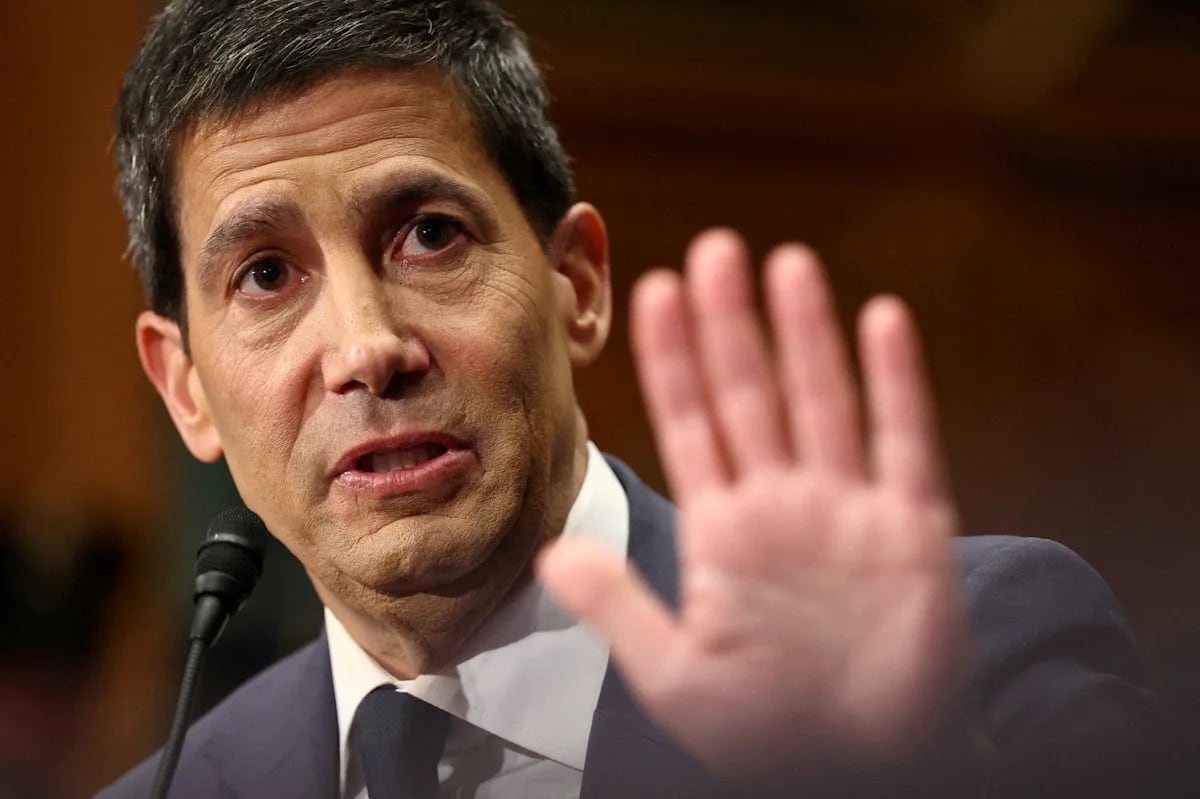
The Federal Open Market Committee holds eight scheduled meetings annually to determine federal funds rate adjustments. These decisions directly influence consumer financial products, including mortgage rates and credit card interest.
Understanding the Federal Reserve's Monetary Policy Schedule
The Federal Open Market Committee (FOMC) serves as the primary engine of U.S. monetary policy, operating as a critical division within the Federal Reserve. By holding eight regularly scheduled meetings each year, the committee systematically evaluates the macroeconomic landscape to determine the appropriate federal funds rate. This rate functions as the benchmark for borrowing costs across the entire financial system, making the FOMC's calendar a focal point for global investors, economists, and everyday citizens alike.
The Direct Impact on Consumer Finance
The implications of FOMC decisions extend far beyond the boardroom, permeating the daily financial lives of consumers. When the committee adjusts the federal funds rate, it triggers a ripple effect that influences the interest rates on a wide array of personal financial products. Specifically, credit card annual percentage rates (APRs), high-yield savings account returns, and mortgage interest rates are all tethered to these policy shifts. Consequently, understanding the timing of these meetings is essential for individuals looking to manage debt or optimize their savings strategy.
Economic Forecasting and Market Sentiment
Beyond the raw policy decisions, the statements and economic forecasts released during these meetings are vital diagnostic tools. They provide a transparent look into the Federal Reserve’s assessment of inflation, employment, and overall economic growth. Market analysts scrutinize these documents for clues regarding the central bank’s future trajectory, often adjusting their own financial forecasts based on the tone and data presented by the FOMC members.
Strategic Financial Planning
For the individual consumer, aligning personal financial strategy with the FOMC schedule can be a proactive measure. By anticipating periods of heightened volatility or potential shifts in interest rates surrounding these eight annual meetings, individuals can better time major financial decisions. Whether one is considering refinancing a home or planning a large credit-based purchase, staying informed about the Fed’s meeting cycle provides a clearer snapshot of the economic environment.
The Future of Monetary Policy Trends
As the economy evolves, the importance of the FOMC's transparency remains paramount. The committee's commitment to holding these eight scheduled meetings ensures a predictable cadence for market participants to digest complex monetary data. Looking ahead, the ability of the Federal Reserve to balance inflation targets against economic stability will continue to be the defining factor in determining the cost of capital for both businesses and households in the United States.