Rising inflation turns July Fed meeting into rate-hike showdown
Source Entity
Yahoo Finance
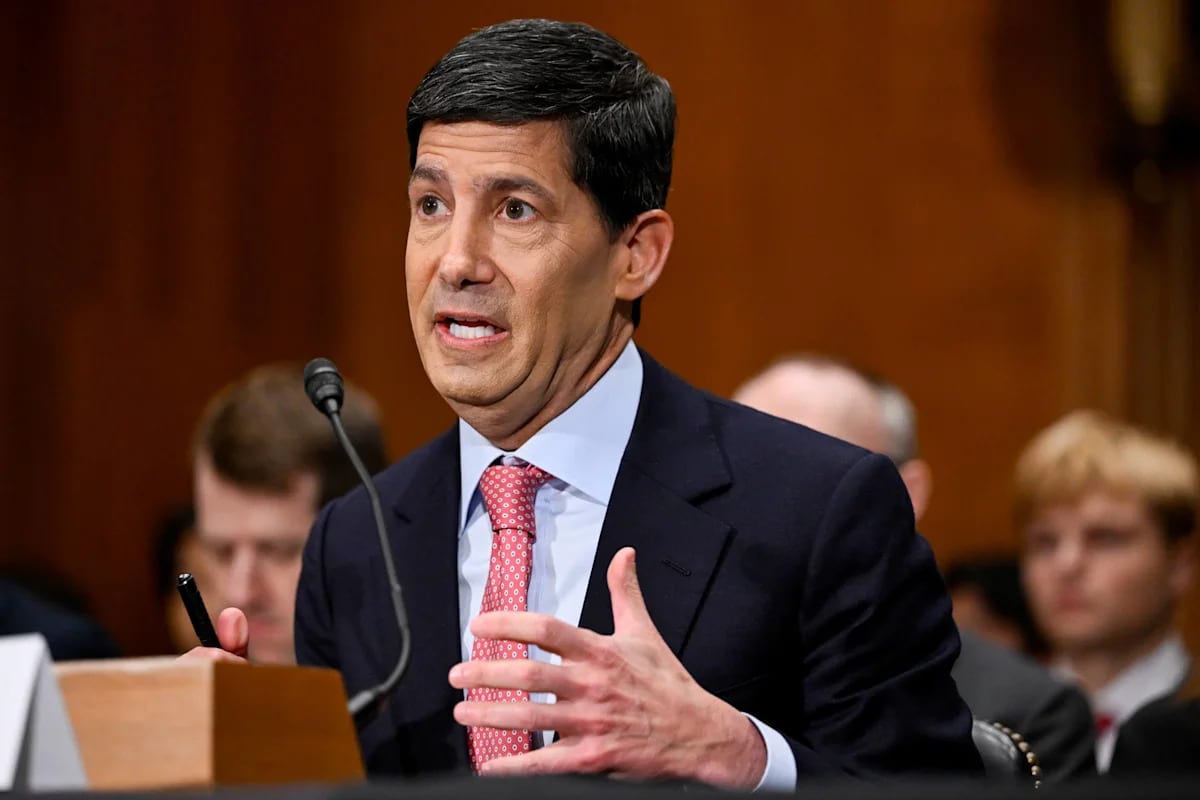
The upcoming Federal Reserve meeting has shifted from a predictable event to a critical decision point due to persistent inflation concerns. Markets are currently pricing in a potential rate hike, leading to increased volatility and a stronger U.S. dollar.
The Fed's July Pivot: From Complacency to Confrontation
For much of the summer, the Federal Reserve’s July 28-29 meeting was widely anticipated by market participants as a non-event. The prevailing narrative suggested a period of policy stability, anchored by a cooling Consumer Price Index (CPI) in June and a stabilization of labor market data. However, the economic landscape has shifted rapidly, transforming what was expected to be a routine session into a high-stakes showdown over the direction of U.S. monetary policy.
Inflationary Pressures and Market Volatility
The sudden change in tone is driven by renewed inflationary anxieties that have overshadowed earlier optimism. While a dip in June inflation initially suggested that the economy was entering a period of cooling, recent geopolitical tensions—specifically involving the U.S.-Iran conflict—have reignited fears regarding energy costs and supply chain disruptions. This has forced economists and traders to reconsider the necessity of a hawkish response, moving from a baseline assumption of steady rates to a 'coin toss' scenario regarding a potential hike.
The Dollar’s Strategic Ascent
Reflecting this uncertainty, the U.S. dollar has demonstrated significant resilience, hovering near a four-week peak. The dollar index, tracking the greenback against a basket of major currencies like the euro and the Japanese yen, reached its highest level since July 1. This strength is not merely a reaction to current events but a byproduct of a broader repricing of expectations that has been underway since April, characterized by a steady climb in Treasury yields.
Expert Perspectives on Policy Dilemmas
The difficulty facing the Federal Open Market Committee (FOMC) is highlighted by the divided nature of expert opinion. William English, a former senior Fed economist, noted that there is a compelling case for both sides of the argument: raising rates to curb lingering inflation or holding steady to avoid stifling a resilient economy. This duality leaves the market in a state of suspended animation, waiting for the committee to signal whether they prioritize immediate price stability or the preservation of current economic growth trends.
Broader Economic Implications
If the Fed chooses to implement a rate hike, it would represent a decisive shift toward a more aggressive monetary stance, likely resulting in further strengthening of the dollar and increased pressure on emerging market currencies. Conversely, maintaining the status quo would signal a high tolerance for current inflationary levels, potentially risking a long-term de-anchoring of inflation expectations. As the meeting approaches, the interplay between oil prices, geopolitical risk, and the Fed’s dual mandate remains the central focus for global financial stability.
Future Trends and Outlook
Looking ahead, the outcome of this meeting will likely set the tone for the remainder of the fiscal year. Should the Fed opt for a hike, we may see a sustained period of dollar dominance and tighter financial conditions. However, if the committee remains patient, investors will be looking for clear forward guidance regarding the conditions under which a pivot might occur later in the year. The July meeting has effectively ended the market's 'snooze fest,' replacing it with a period of intense scrutiny on central bank decision-making.
Multiple Citing Sources