Sorry, haters. Ferrari’s first EV is doing just fine
Source Entity
Tim De Chant
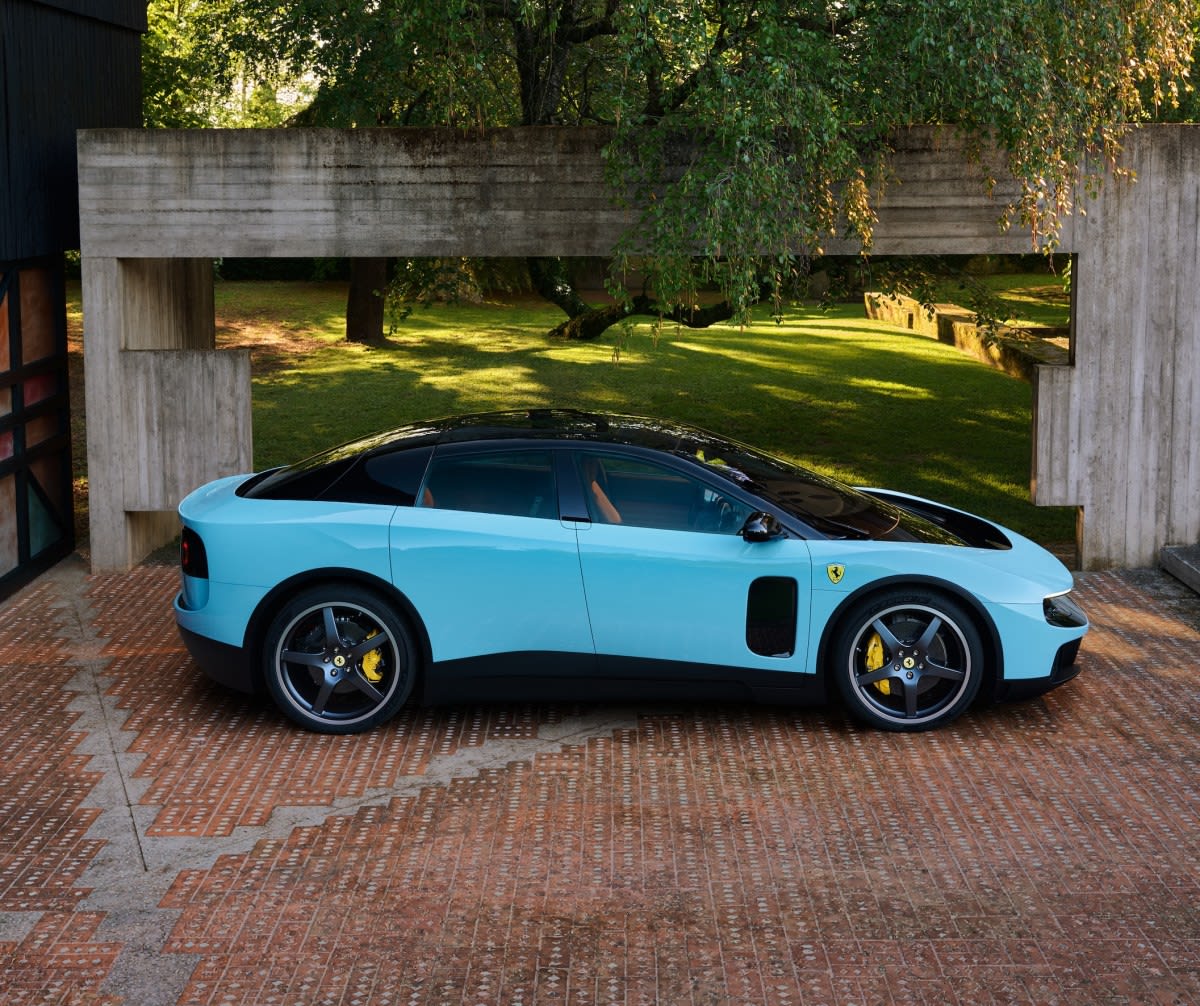
Ferrari's first electric vehicle, the Jony Ive-designed Luce, has defied initial market skepticism to reach its annual sales target in just two months. Despite early criticism and a stock dip, strong demand—particularly from China—has validated the luxury brand's entry into the EV sector.
The Ferrari Luce: A Triumph Over Skepticism
When Ferrari unveiled the Luce, its inaugural electric vehicle, in May, the automotive world met the announcement with intense hostility. Critics were swift to compare the vehicle's wedge-shaped aesthetics to mass-market options like the Nissan Leaf, while industry pundits questioned the brand's ability to compete with lower-priced, high-performance Chinese electric vehicle manufacturers. The backlash was so profound that even former Ferrari chair Luca Cordero di Montezemolo publicly criticized the move, contributing to an 8% drop in Ferrari’s stock price immediately following the reveal.
The Jony Ive Influence
At the center of the controversy was the design language of the Luce, which was crafted in collaboration with Jony Ive and his firm, LoveFrom. Known for his minimalist approach at Apple, Ive’s involvement created a polarizing aesthetic that many traditional Ferrari enthusiasts rejected as a departure from the brand's combustion-engine heritage. Despite the 'armchair auto executives' predicting a commercial failure, the market response has proven that the brand's prestige, combined with Ive’s design pedigree, holds significant weight among luxury consumers.
Defying Market Expectations
Contrary to the narrative that the Luce would be a dud, the vehicle has achieved its annual sales target in just two months. Ferrari aimed to sell just under 500 units this year, with each vehicle carrying a premium price tag of approximately €555,000 ($630,000). Reaching this milestone so quickly demonstrates that the brand’s transition into electrification is not only viable but potentially more lucrative than analysts initially dared to project.
The Role of the Chinese Market
A critical driver for this early success has been robust demand from China. While critics were busy comparing the Luce to Chinese domestic brands like Geely, Lynk & Co, and Zeekr, Ferrari was successfully positioning itself at the absolute pinnacle of that same market. The Chinese consumer base, which has shown a rapid adoption rate for high-end EVs, appears to view the Luce as a status symbol that transcends the performance metrics of cheaper competitors.
Implications for Luxury Automotive Future
This early success serves as a case study for legacy luxury manufacturers attempting to pivot to electric powertrains. By maintaining a high price point and leveraging exclusive design partnerships, Ferrari has successfully insulated itself from the price wars currently plaguing the broader EV market. The ability to hit a 500-unit sales target in such a compressed timeframe suggests that the 'Ferrari' brand name remains a powerful enough moat to overcome even the most intense public skepticism.
Conclusion
As Ferrari prepares to announce its quarterly earnings, the performance of the Luce stands as a testament to the company's strategic resilience. While the initial launch was undeniably bumpy, the data suggests that the luxury EV market is far more receptive to established heritage brands than the internet's loudest critics anticipated. Moving forward, Ferrari’s ability to sustain this demand will be the true test of their long-term electrification strategy.