One Dead, 172 Rescued As Ferry Catches Fire In Indonesia
Source Entity
NDTV News Search Records Found 1000
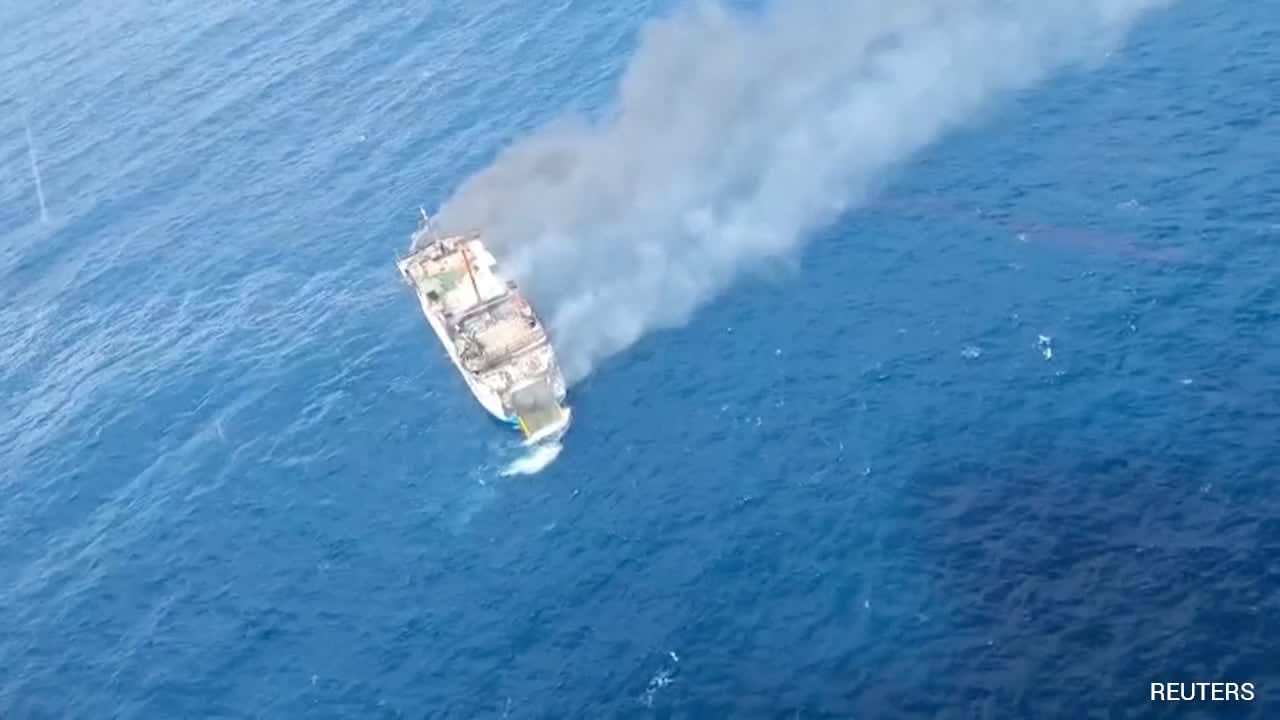
A ferry fire in Indonesian waters has resulted in one fatality and the successful rescue of 172 passengers. Local authorities are currently managing the aftermath of the maritime emergency.
Maritime Emergency in Indonesia: A Deep Analysis
The Incident Overview
Recent reports confirm a harrowing maritime incident in Indonesian waters where a passenger ferry caught fire, leading to a significant search and rescue operation. While the swift intervention of local authorities managed to save 172 individuals, the tragedy resulted in one confirmed fatality. This event underscores the inherent risks associated with ferry travel in an archipelago nation where maritime transport serves as a critical lifeline for millions of citizens.
Challenges of Archipelago Navigation
Indonesia, being the world's largest archipelagic state, relies heavily on ferry networks to connect its thousands of islands. However, the sheer volume of passenger traffic often stretches safety infrastructure to its limits. Fires at sea are particularly dangerous due to the limited escape routes and the rapid spread of smoke and heat in confined spaces, making the rescue of 172 people a testament to the effectiveness of the current emergency response protocols in the region.
Safety Standards and Historical Context
Historically, Indonesia has faced challenges regarding maritime safety, with overcrowding and aging vessels frequently cited as contributing factors to accidents. The authorities' ability to mobilize quickly in this instance reflects an ongoing effort to modernize safety standards and emergency preparedness. Despite these improvements, the loss of one life serves as a somber reminder that the maritime sector requires continuous oversight and investment to prevent mechanical failures, such as those that likely triggered this fire.
The Human Impact and Emergency Response
Beyond the statistics, the rescue operation highlights the coordination required between local maritime agencies and emergency responders. Coordinating a rescue for nearly 175 people in open water is a logistically complex task that requires precise communication and rapid deployment of vessels. The success of this operation likely prevented a much higher death toll, though the investigation into the cause of the fire will be critical for future policy adjustments.
Broader Implications for Maritime Regulation
This incident will likely prompt a thorough review of the vessel's maintenance history and adherence to safety regulations. As Indonesia continues to develop its domestic infrastructure, ensuring the structural integrity and fire suppression capabilities of its ferry fleet is paramount. Future trends suggest that stricter enforcement of safety inspections and the potential integration of better fire-detection technology will be essential to maintaining public trust in the national ferry system.
Conclusion
In summary, the fire that claimed one life and necessitated the rescue of 172 passengers is a significant event that highlights the ongoing safety challenges in Indonesian maritime transport. While the successful rescue operation demonstrates the capability of local authorities, the incident emphasizes the urgent need for continued vigilance, rigorous safety standards, and proactive maintenance to protect passengers navigating the country's extensive island routes.
Verification Required?