Festive food safety: Doctors explain how repeatedly reheating leftovers and improperly storing sweets can trigger foodborne infections
Source Entity
Latest News: Todays Latest News Headlines from India & World | Hindustan Times
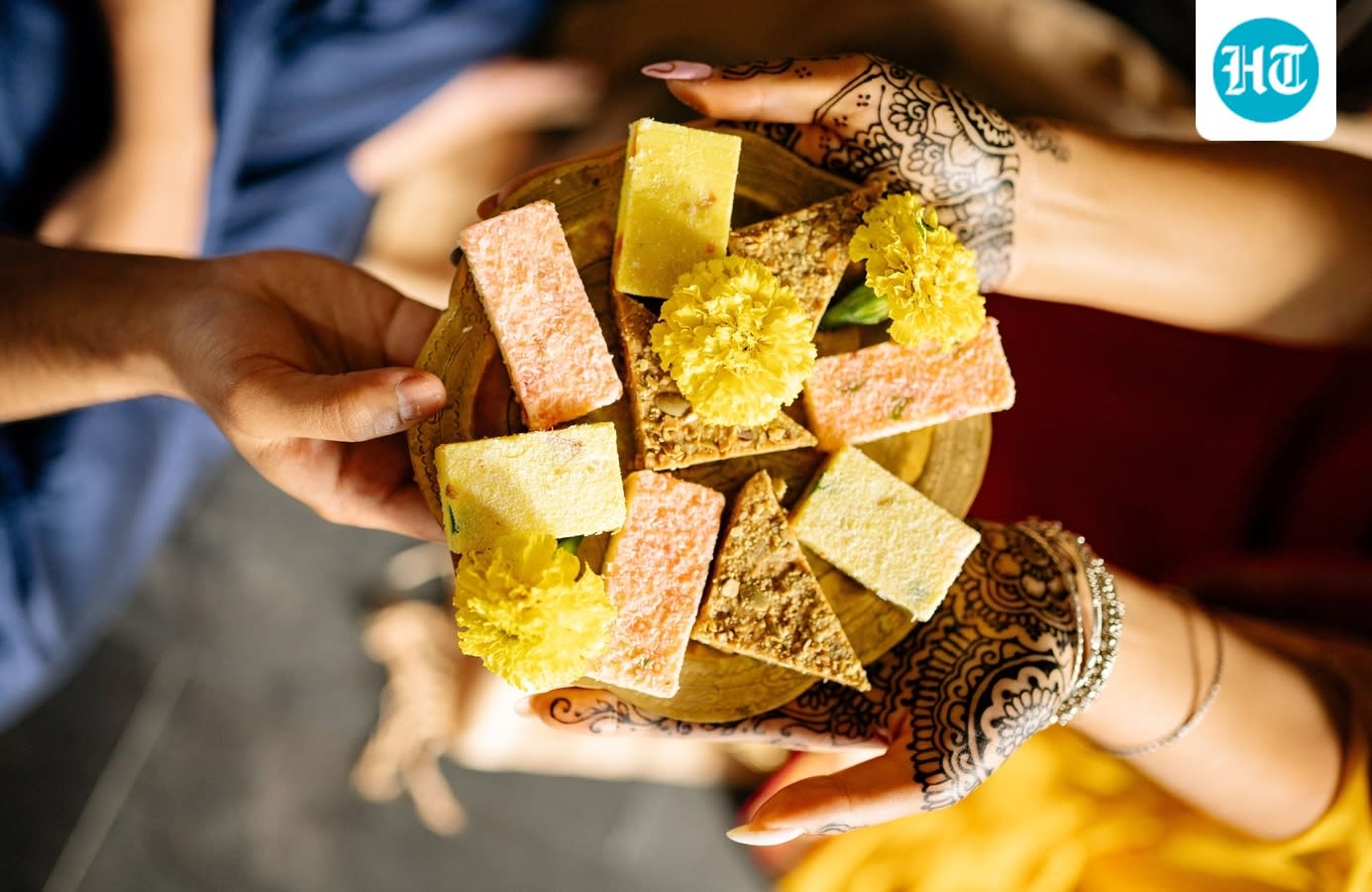
Medical experts warn that improper storage and repeated reheating of festive leftovers significantly increase the risk of food poisoning. Following proper food handling and storage guidelines is essential to safely enjoying holiday treats and mithai.
The Hidden Risks of Festive Leftovers
Festive seasons are synonymous with indulgence, characterized by an abundance of traditional delicacies and communal feasts. However, as medical professionals point out, the convenience of storing leftovers for days or repeatedly reheating meals can transform these festive treats into potential health hazards. When food is not handled with the necessary rigor, it becomes a breeding ground for pathogens, turning celebrations into medical emergencies.
The Dangers of Repeated Reheating
The practice of reheating food multiple times is a common habit aimed at reducing waste, but it carries significant biological risks. Each time a meal is cooled and reheated, it passes through the 'danger zone'—the temperature range where bacteria multiply most rapidly. Dr. Devashish Desai and other medical experts emphasize that repeated thermal cycling can lead to the survival and proliferation of heat-resistant spores and toxins that standard reheating methods cannot always neutralize, thereby increasing the likelihood of foodborne illnesses.
Mithai and Storage Vulnerabilities
Traditional sweets, or mithai, present a unique set of challenges. Often containing milk solids, khoya, or sugar-rich bases, these items are highly perishable and prone to bacterial growth if left at room temperature for extended periods. Improper storage, such as failing to refrigerate these items or exposing them to contaminants, compromises their nutritional integrity and safety. As these items are frequently gifted and stored in varying conditions, their shelf life is often overestimated by consumers.
Clinical Symptoms and Warning Signs
Foodborne infections resulting from improperly stored or reheated food often manifest through gastrointestinal distress. Symptoms such as nausea, vomiting, abdominal cramps, and diarrhea are common indicators that the body is reacting to bacterial toxins or pathogens. Medical experts urge the public to remain vigilant for these signs, especially when consuming food that has been stored for more than 24 to 48 hours, as delayed treatment can lead to severe dehydration and other complications.
Preventive Measures for Festive Safety
To mitigate these risks, experts suggest a proactive approach to food management. This includes portioning leftovers into smaller containers for quick cooling, ensuring refrigerators are set to the correct temperature, and avoiding the 'reheat-all' mentality. By reheating only the specific portion intended for consumption rather than the entire batch, individuals can significantly reduce the risk of bacterial proliferation. Furthermore, keeping sweets in airtight containers and consuming them within a reasonable timeframe is paramount to maintaining both flavor and safety.
Conclusion: A Balanced Approach to Celebration
While the joy of festive culinary traditions is undeniable, health must remain a priority. By adhering to science-backed storage and heating protocols, families can continue to enjoy their favorite mithai and meals without compromising their well-being. Awareness is the first step toward preventing common foodborne infections, ensuring that the festive season remains a time of health and happiness rather than one of recovery from preventable illness.
Verification Required?