Figma’s stock falls as the company’s AI push requires steep investments
Source Entity
Christine Ji
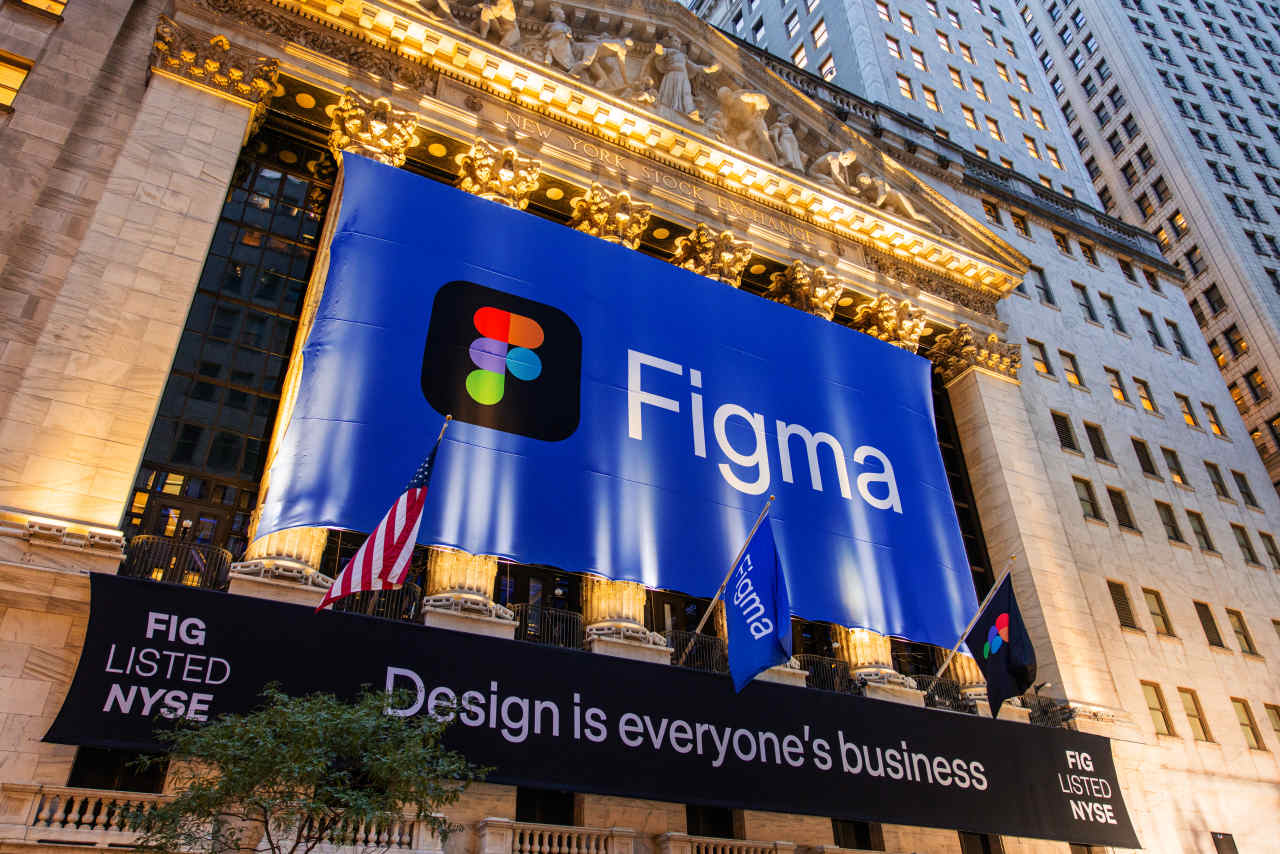
Figma is facing a decline in stock value as heavy investments in AI development compress profit margins. While the company's consumption-based monetization model shows long-term potential, immediate financial results are reflecting the high costs of innovation.
The Cost of Innovation: Figma's AI Strategy
Figma, a dominant force in the collaborative design software market, is currently navigating a complex financial landscape. As the company aggressively integrates artificial intelligence into its platform, investors have reacted with caution, leading to a decline in stock valuation. This market movement highlights a broader trend in the tech sector where the pursuit of cutting-edge AI capabilities often comes at the expense of short-term profitability.
The Mechanics of Consumption-Based Monetization
At the heart of Figma's strategy is a consumption-based monetization model. Unlike traditional subscription tiers that offer fixed access, this approach ties revenue directly to the usage of AI-powered features. While this model is designed to scale with user demand and provide a more granular view of value delivery, it introduces significant volatility in financial reporting. The promise of this strategy lies in its ability to capture revenue from high-intensity power users, though it requires a delicate balance between feature utility and cost control.
Margin Compression and Operational Realities
The current pressure on Figma’s margins is a direct result of the steep infrastructure and research investments required to fuel its AI push. Implementing sophisticated generative design tools requires massive computational resources and high-tier engineering talent, both of which represent significant overhead. For a company focused on maintaining its market leadership, these expenditures are viewed as essential capital investments rather than discretionary spending, even if they temporarily dampen profit margins.
Market Expectations vs. Long-Term Strategy
Investors are currently weighing the immediate financial impact against the long-term competitive advantage that AI brings to the design industry. Figma’s decision to prioritize these features suggests an internal belief that AI will become the new baseline for design workflows. If successful, this investment could solidify Figma’s moat against competitors; however, the transition period creates a challenging environment where the market must reconcile high R&D costs with future revenue projections.
Future Trends in Design Software
Looking forward, Figma’s trajectory will likely serve as a bellwether for how SaaS companies balance AI-driven product evolution with fiscal discipline. As AI tools become more integrated into the creative process, the ability to maintain healthy margins while scaling these resource-intensive features will be the primary metric of success. The company’s ability to refine its operational efficiency while simultaneously expanding its AI portfolio will be critical to regaining investor confidence in the coming quarters.
Verification Required?