Finding Xanadu: Inside a JRPG classic translation 15 years in the making
Source Entity
Hacker News
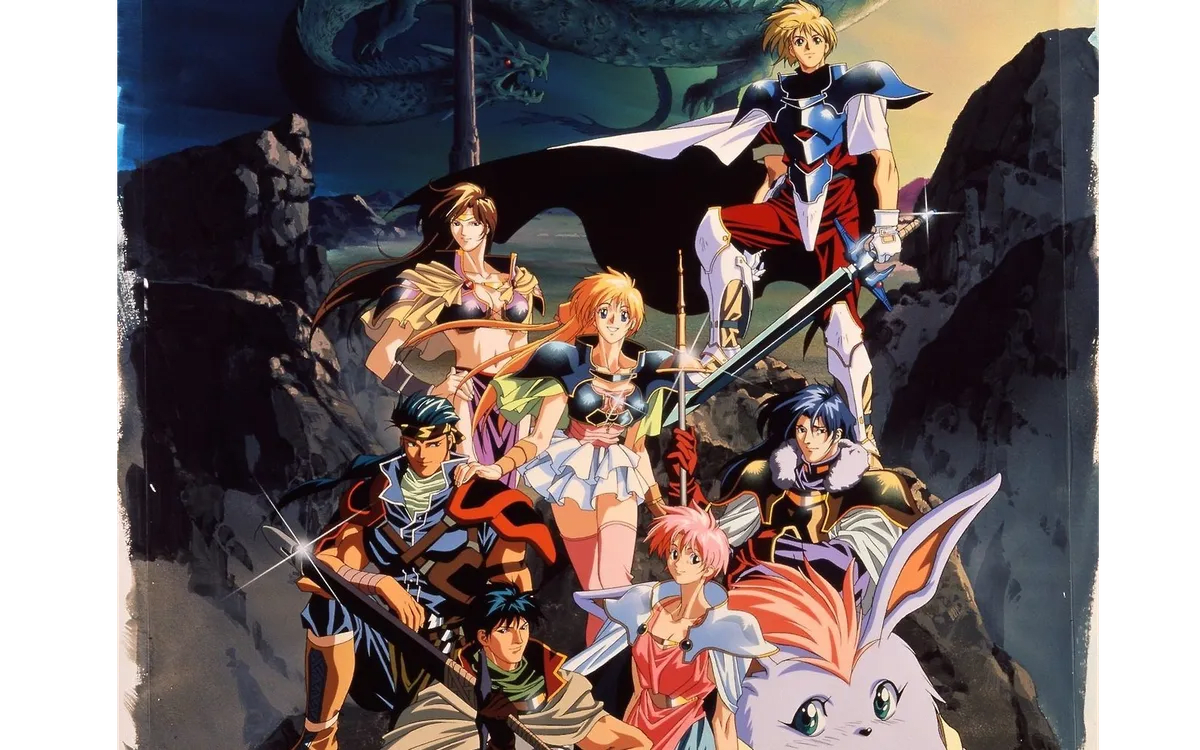
A deep dive into the dedication behind long-term fan-made game translations, contrasting human craftsmanship with the rise of AI-driven emulation. The article emphasizes the preservation of gaming history through community-led projects.
The Resurgence of Human-Centric Game Preservation
In an era increasingly dominated by automated processes and machine learning, the recent release of a 15-year-in-the-making fan translation for a classic JRPG serves as a poignant reminder of the value of human labor. This project highlights a growing movement within the retro-gaming community that prioritizes meticulous, manual translation work over the rapid, often superficial, output generated by AI models. By focusing on the nuances of language and cultural context that machines frequently miss, these translators are effectively acting as digital archivists, ensuring that classic titles remain accessible and authentic for modern audiences.
The Friction Between AI and Traditional Modding
The current gaming landscape is saturated with discourse surrounding the role of artificial intelligence in emulation and recompilation. As headlines proclaim the supposed demise of hardware cycles like the Nintendo Switch 2 due to AI-driven emulation advancements, there is a palpable sense of exhaustion among enthusiasts. The proliferation of AI-generated launchers and automated recompilation tools has created a 'race to the bottom' mentality, where quantity and speed are prioritized over the quality and heart that define traditional fan projects.
Why Human Translation Still Matters
Human-made translations offer a level of creative fidelity that remains largely unreachable for current AI tools. A 15-year effort implies a deep, iterative process of linguistic refinement, playtesting, and cultural adaptation that respects the original developer's intent. Unlike AI, which might generate a functional translation, a human team navigates the 'soul' of the game, translating idioms, humor, and emotional beats that are essential to the JRPG genre’s narrative-heavy structure. This human touch prevents the degradation of artistic works that occurs when they are processed through automated, 'slop-heavy' pipelines.
Carrying the Torch for Future Generations
The decision to feature two additional human-made translations in the latest issue of ROM signifies a conscious pivot away from the 'yuck' of automated trends. By explicitly choosing to ignore the noise of AI-driven emulation news, the creators are signaling that the future of game preservation lies in community-led, labor-intensive projects. This approach ensures that the history of gaming is not merely emulated but understood and curated with care.
The Broader Implications for Gaming History
This trend toward human-led preservation suggests a future where the gaming community splits into two distinct paths: one driven by the convenience of AI-assisted automation, and another rooted in the preservationist ethics of the artisanal modding scene. While AI may democratize access to games, it is the human-led projects that provide the historical context and high-quality experiences that truly define the legacy of a classic title. As we move forward, these 15-year projects will likely serve as the benchmark for what 'true' preservation looks like in a digital age.