Researchers document first human deaths by Caspian cobra in India
Source Entity
India Latest News: Top National Headlines Today & Breaking News | The Hindu
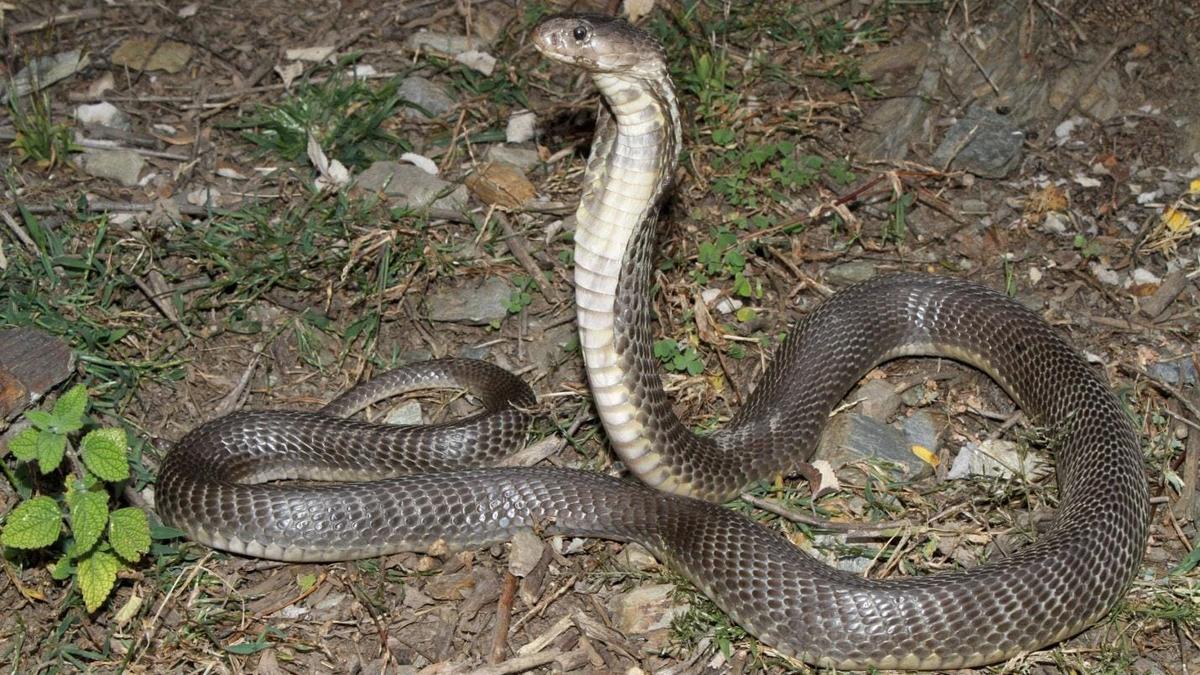
Researchers have documented the first confirmed human fatalities in India caused by the Caspian cobra (Naja oxiana) in Himachal Pradesh. The study highlights a concerning expansion of this highly venomous species, which was previously unrecorded within the country.
The Emergence of Naja oxiana in India
Recent findings published in the peer-reviewed journal Epidemiology International have confirmed a significant biological development: the first documented instances of human envenomation and mortality caused by the Caspian cobra (Naja oxiana) within India. Historically, this species, often referred to as the Central Asian cobra, was not considered endemic to Indian territory. The identification of these bites in the Chamba district of Himachal Pradesh marks a critical shift in the documented range of one of the world's most venomous snakes.
Clinical Findings and Case Study
The research, titled ‘First Report of Deadly Bites by Caspian Cobra (Naja oxiana) From India,’ details a cluster of four cases occurring in the Pir Panjal mountain range. Among these individuals, two resulted in fatalities, while two others survived the envenomation. The documentation of these specific cases provides essential clinical data regarding the lethality of the species in a region where medical practitioners may have previously been unfamiliar with the specific toxicological profile of Naja oxiana venom.
Ecological Implications and Range Expansion
The presence of the Caspian cobra in the mountainous terrain of Himachal Pradesh raises urgent questions regarding ecological shifts. Snakes are highly sensitive to environmental and climatic variables; the movement of a species traditionally found in Central Asia into the Indian Himalayas may suggest broader shifts in habitat suitability. Understanding whether this represents a permanent migration or an isolated expansion is now a priority for herpetologists and public health officials alike.
Challenges for Public Health and Treatment
One of the most pressing concerns arising from this study is the efficacy of existing antivenom protocols. Because the Caspian cobra was not previously recognized as a threat in India, local medical facilities may not be stocked with antivenom specifically formulated to neutralize Naja oxiana toxins. The high mortality rate observed in this initial study underscores the potential danger posed to local populations who may not be aware that they are encountering a new, highly venomous species.
Future Research and Preventative Measures
Moving forward, the medical and scientific community must prioritize the mapping of the Caspian cobra’s current distribution in the Pir Panjal region. As researchers work to integrate this data into the Indian Council of Medical Research (ICMR) databases, it is imperative that local healthcare providers in Chamba and surrounding areas receive updated training on symptom identification and appropriate clinical management. Public awareness campaigns in these mountain communities will be vital to minimizing future human-snake interactions.
Conclusion
This discovery serves as a stark reminder of the dynamic nature of biodiversity and the necessity of continuous epidemiological surveillance. The shift of the Caspian cobra into India is not merely an isolated biological event but a multifaceted public health challenge. By documenting these events, the research team has provided the necessary foundation for developing mitigation strategies that could ultimately save lives in the affected regions.
Verification Required?