A new report from Europe raises serious alarms about orbital collisions
Source Entity
Eric Berger
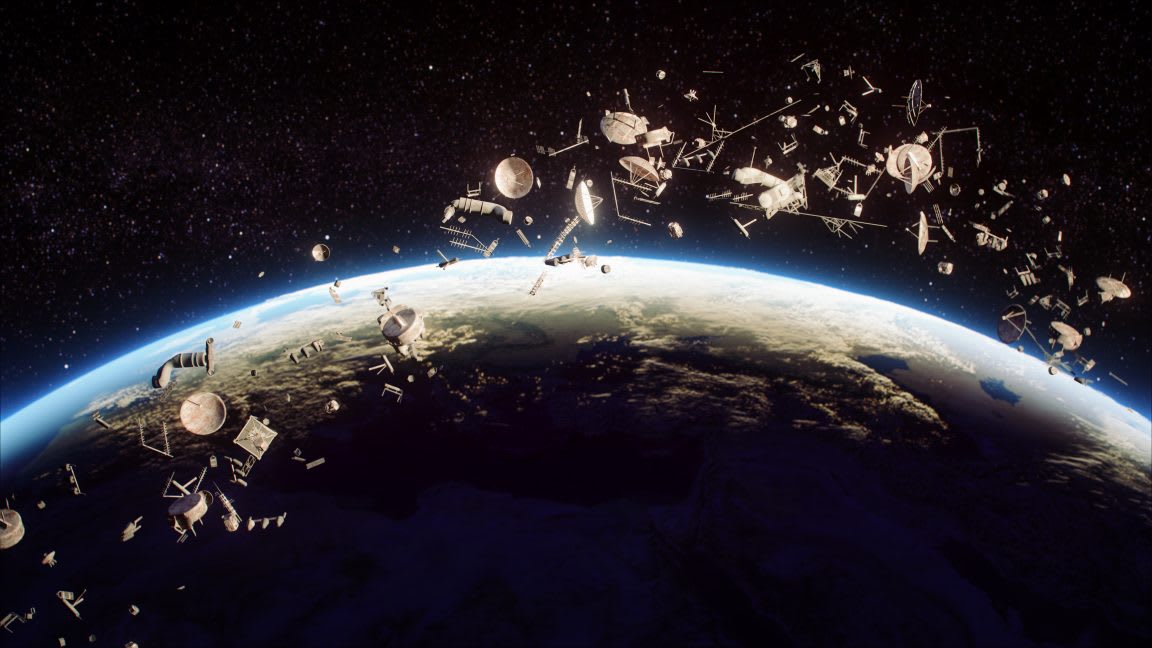
A new European report warns that orbital congestion poses a critical threat to space operations. The analysis confirms that the theoretical Kessler syndrome is becoming a tangible risk to our ability to utilize essential orbital paths.
The Looming Threat of Orbital Congestion
Recent reports originating from Europe have issued a stark warning regarding the safety and viability of Earth's orbital environment. Experts are increasingly concerned that the density of objects in space has reached a critical threshold, leading to the sobering conclusion that we may soon lose the ability to safely navigate or utilize specific, highly valuable orbits. This assessment shifts the conversation from theoretical academic modeling to an urgent operational reality for space agencies and private satellite operators worldwide.
From Science Fiction to Scientific Reality
For many, the concept of orbital debris was introduced by the 2013 blockbuster film Gravity. While the film took creative liberties to heighten the cinematic drama, it effectively popularized the "Kessler syndrome," a theory first proposed by NASA scientists Donald Kessler and Burton Cour-Palais nearly 50 years ago. The syndrome describes a scenario where the density of objects in low Earth orbit is high enough that collisions between objects could cause a cascade—each collision generating space debris that increases the likelihood of further collisions, eventually rendering those orbits unusable.
The Historical Context of Space Debris
When Kessler and Cour-Palais first published their research, space was relatively sparse. However, the subsequent decades have seen an exponential increase in the number of satellites, rocket bodies, and discarded hardware left in orbit. The 2013 film served as a cultural touchstone that translated this abstract, long-term environmental threat into a relatable narrative for the general public, illustrating how a single event—such as a satellite destruction—could trigger a chain reaction of catastrophic proportions.
Analyzing the Current Orbital Landscape
What was once considered a distant, speculative threat has now moved into the present. The recent European findings suggest that the frequency of near-misses and the actual volume of cataloged debris have created an environment where the 'cascading' effect is no longer just a movie trope. The proliferation of mega-constellations and the increasing ease of access to space for various nations and private corporations have fundamentally altered the density of our orbital highways.
Implications for Future Space Exploration
If the ability to use certain orbits is lost, the implications for global infrastructure would be severe. Modern society relies heavily on satellite-based technology for telecommunications, GPS navigation, climate monitoring, and national security. The loss of access to specific orbital shells would not only hamper future scientific exploration but could also degrade the essential services that underpin the modern global economy.
Conclusion: The Path Forward
The warning from European researchers serves as a critical call for improved space traffic management and more robust debris mitigation strategies. As we move further into an era of unprecedented orbital activity, the transition from viewing space as an infinite resource to a finite, fragile environment is essential. Protecting these orbits is no longer just about preserving space for future generations; it is about ensuring the continuity of the technological systems that sustain our world today.