Five years after the Taliban swept to power, does the West have any influence?
Source Entity
BBC News
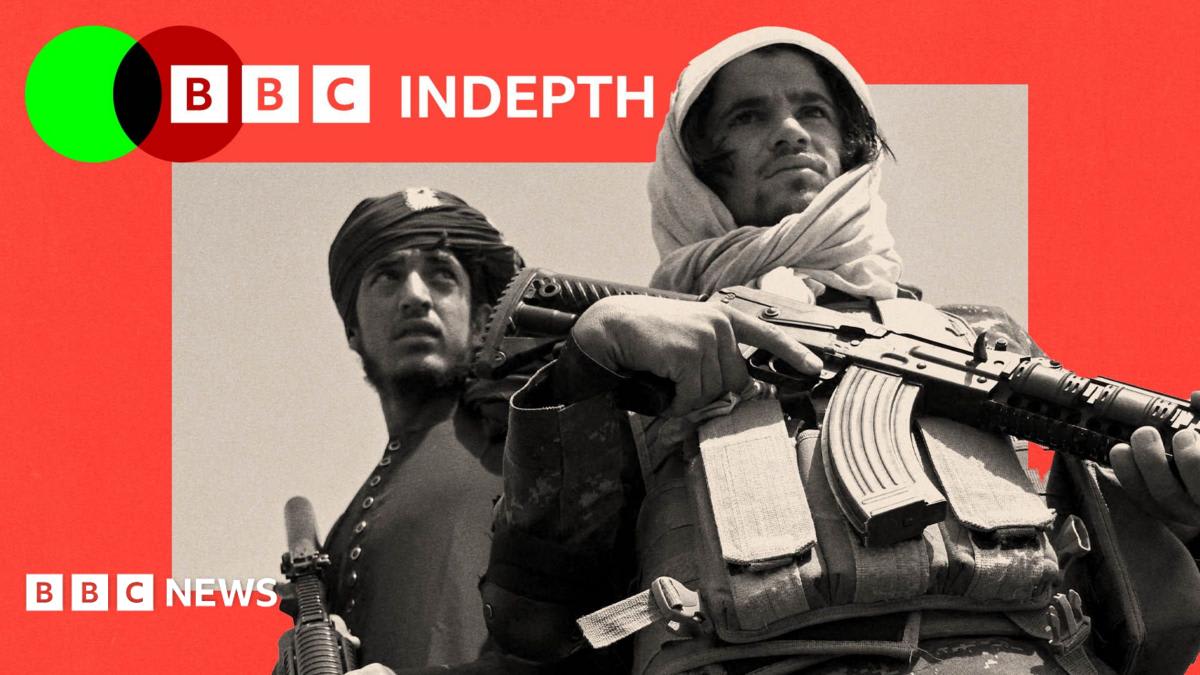
Five years after the Taliban's return to power, Afghan women face systemic erasure from public life, education, and the workforce. International efforts to leverage influence have largely failed, leaving millions without basic rights or hope for immediate change.
Five Years of Taliban Rule: The Systemic Erasure of Afghan Women
Five years have passed since the Taliban regained control of Afghanistan in 2021, marking a devastating reversal of two decades of progress. The regime has systematically dismantled the rights of 22 million women, transforming their daily existence into one of profound isolation. From the prohibition of secondary education for girls over 12 to the enforcement of male guardianship, the Taliban’s ultra-conservative interpretation of governance has rendered the lives of Afghan women unrecognizable compared to the pre-2021 era.
The Collapse of Education and Professional Opportunity
The humanitarian impact of these policies is quantifiable and grim. Approximately 2.2 million adolescent girls have been denied access to secondary schooling for nearly 1,800 days. This is not merely a temporary setback but a generational crisis. UNICEF projections indicate that by 2030, the nation will lose 20,000 women teachers and over 5,000 health-care workers, crippling the country's social infrastructure and leaving it as the only nation on earth to formally institutionalize the exclusion of women from higher education.
Economic Marginalization and Public Life
Economic participation for women has been severely curtailed, with new mandates forcing women to rely on male intermediaries to sell goods at markets or trade fairs. The Taliban justifies these restrictions through claims regarding improper hijab usage, but the practical effect is the total removal of women from the economic sphere. By barring women from the civil service and international aid organizations, the regime has effectively pushed them into the private, domestic domain, stripping them of financial independence and agency.
The Crisis of International Engagement
As the international community grapples with the lack of progress, the fundamental question remains: does the West have any bargaining chips left? Previous strategies have struggled to gain traction, as the regime remains steadfast in its ideological commitments. Voices from within Afghanistan, such as those shared with the BBC, emphasize that current diplomatic approaches are failing to protect the most vulnerable, leading to a palpable loss of hope among the population.
Future Trends and Human Rights Implications
The trajectory of Taliban governance points toward increased isolationism and the further normalization of extreme measures, including reports of public floggings and barriers to essential healthcare. Without a significant shift in diplomatic leverage or internal pressure, the outlook for Afghan women remains bleak. The international community faces a difficult path forward, balancing the need to provide humanitarian aid with the moral imperative to challenge a regime that continues to deny basic human rights to half of its citizenry.
Multiple Citing Sources