Flash floods hit J&K’s Rajouri town, hundreds shifted to safer places amid heavy rainfall
Source Entity
India Latest News: Top National Headlines Today & Breaking News | The Hindu
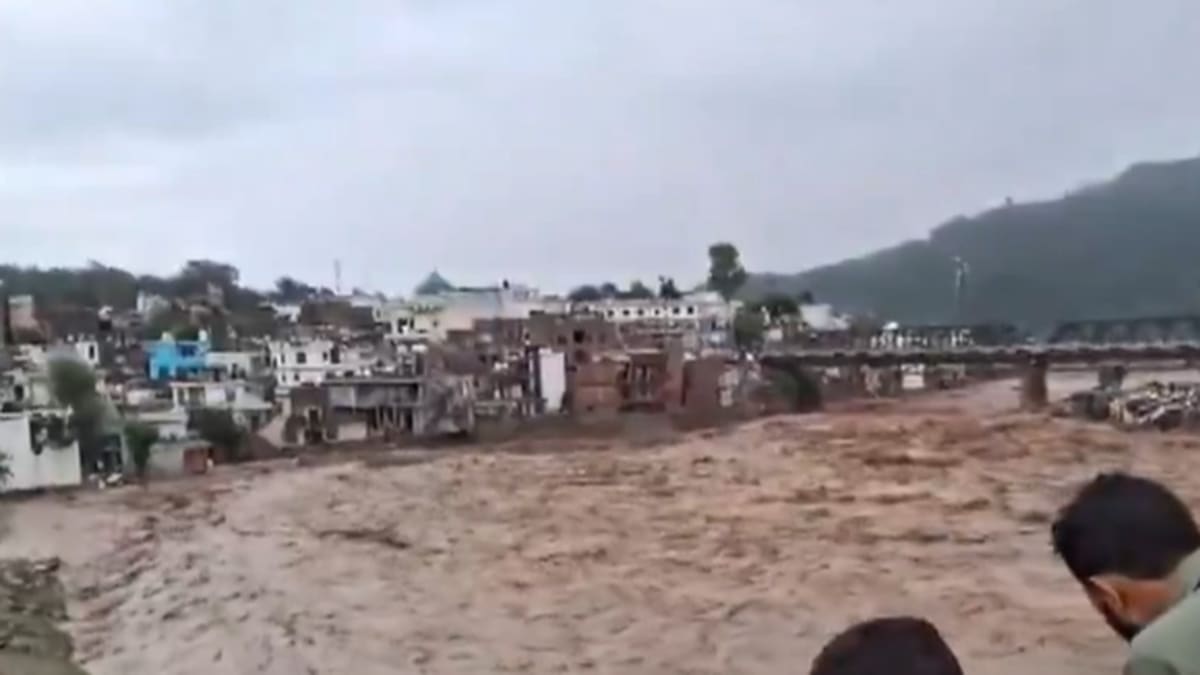
Heavy rainfall triggered severe flash floods in Rajouri, Jammu and Kashmir, on July 19, 2026, causing the Dharhal River to overflow. Hundreds of residents were evacuated and significant damage to public and private property was reported.
Devastating Flash Floods Paralyze Rajouri Town
On Sunday, July 19, 2026, the Rajouri district of Jammu and Kashmir experienced a catastrophic flash flood event following a period of incessant overnight rainfall that began on Saturday evening. The sudden surge of water overwhelmed the region's drainage capacity and caused rivers to breach their banks, leading to the rapid inundation of low-lying urban areas. The severity of the event forced hundreds of residents to abandon their homes and seek refuge in safer locations, bringing the town to a virtual standstill.
Hydrological Impact and Urban Inundation
The disaster was primarily driven by the overflow of the Dharhal River, which burst its banks and surged into the heart of Rajouri town. One of the most significantly impacted areas was the new bus stand, a critical transport hub that became submerged under floodwaters. The speed and volume of the water were sufficient to sweep away or submerge dozens of vehicles, creating widespread disruption to transportation and logistics. This pattern of flooding highlights the extreme vulnerability of infrastructure located in the floodplains of mountain rivers, where sudden spikes in water levels can occur with very little warning during intense monsoon episodes.
Human Displacement and Localized Crisis
The human toll was felt most acutely in settlements adjacent to key river crossings. More than 50 families residing near the Abdullah Bridge were forced to flee their homes as floodwaters engulfed their dwellings. Similarly, residents near the Tariq Bridge faced critical situations, prompting emergency distress calls that required immediate police intervention. The emotional weight of the disaster was captured in the testimonies of affected residents, with some lamenting that "everything is lost," signaling a total loss of personal belongings and household assets.
Emergency Response and Political Assessment
In the immediate aftermath, a coordinated effort involving rescue and relief teams, the district administration, and local police was launched to evacuate trapped families and assess the extent of the damage. The response focused on moving vulnerable populations away from the riverbanks to prevent further casualties. Adding a political dimension to the crisis, local Congress MLA Iftkhar Ahmad highlighted the scale of the disaster, noting that there has been extensive damage to both public and private property. This suggests that the economic recovery for the town will be a prolonged process involving significant state intervention.
Regional Weather Patterns and Broader Implications
The flooding in Rajouri did not occur in isolation; reports of a "Red alert" in neighboring Himachal Pradesh suggest a broader, high-intensity weather system affecting the Western Himalayas. This regional instability often leads to synchronized disasters across state lines, where heavy precipitation in the highlands triggers downstream flash floods in the valley towns. The occurrence of such events underscores a growing trend of extreme weather volatility in the region, where traditional rainfall patterns are being replaced by concentrated, heavy bursts of precipitation.
Future Trends and Infrastructure Vulnerability
Looking forward, the events in Rajouri serve as a stark reminder of the need for improved urban planning and disaster mitigation in J&K. The inundation of the new bus stand and residential clusters near bridges indicates a critical need for reinforced embankments and more sophisticated early warning systems. As climate volatility increases, the frequency of the Dharhal River breaching its banks is likely to rise, necessitating a shift toward "sponge city" concepts or relocated residential zones to minimize the loss of life and property.
Summary
The flash floods in Rajouri on July 19, 2026, resulted in mass displacement, significant vehicle loss, and severe property damage due to the overflow of the Dharhal River. While emergency services acted quickly to evacuate hundreds, the event underscores the systemic vulnerability of the region's infrastructure to extreme rainfall and the urgent need for enhanced climate resilience strategies.
Verification Required?