Flexibility paradox for women in India’s platform economy
Source Entity
Latest News: Todays Latest News Headlines from India & World | Hindustan Times
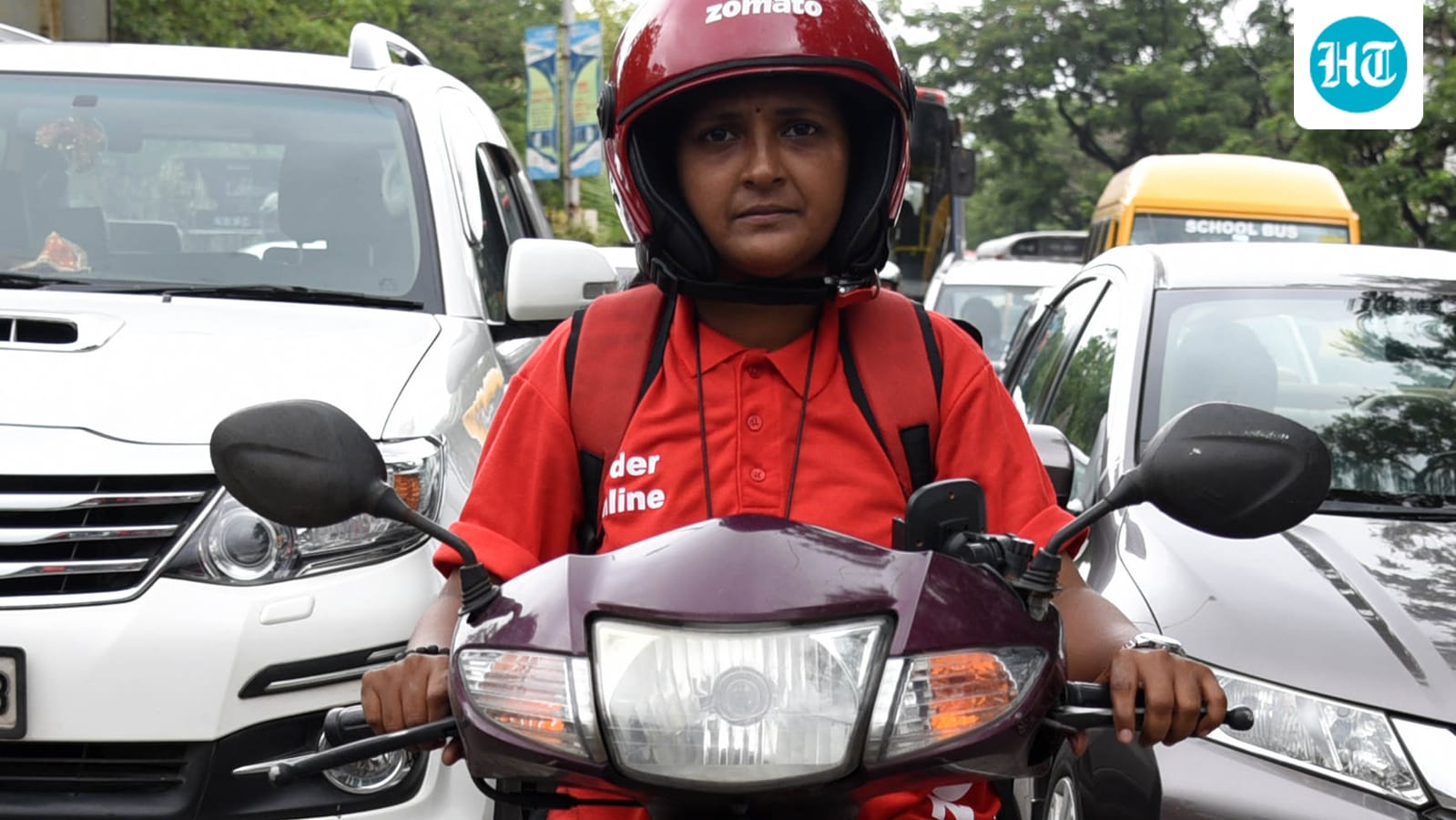
The gig economy in India offers women a unique opportunity for financial independence through flexible working hours. However, this flexibility creates a paradox where caregiving responsibilities and systemic barriers still limit true professional autonomy.
The Promises and Pitfalls of India's Gig Economy
The emergence of the platform economy in India has been heralded as a transformative force for labor market participation, particularly for women. As highlighted by Tasmita Sengupta of CUTS International, the foundational premise of gig work—the ability to choose one's own hours and tasks—stands in stark contrast to the rigid structures of traditional employment. For many women, this flexibility is not merely a convenience but a vital gateway to the workforce, allowing them to balance professional ambitions with deeply ingrained social expectations.
Empowering Financial Independence
The primary appeal of gig platforms lies in their capacity to provide a steady stream of income without the requirement of a continuous, uninterrupted workday. In the Indian context, where women frequently navigate significant mobility restrictions and the 'double burden' of domestic labor, this model is revolutionary. By facilitating roles in delivery, beauty services, and ride-hailing, these platforms empower women to achieve financial autonomy, which in turn enhances their bargaining power and decision-making status within the household.
The Flexibility Paradox
Despite the clear benefits, a 'flexibility paradox' emerges when analyzing the reality of these roles. While the platforms offer theoretical freedom, the underlying social structure in India often dictates that women must prioritize caregiving duties first. Consequently, the 'flexibility' of gig work may inadvertently trap women in a cycle where they are only able to perform work that fits into the margins of their domestic responsibilities, rather than pursuing career growth or full-time professional development.
Structural Barriers and Mobility
Deep-seated societal norms regarding mobility remain a significant hurdle for women in the platform economy. Even when platforms provide the technical means to work, the physical safety of travel and cultural perceptions of 'appropriate' work for women continue to influence their participation. The gig economy attempts to bypass these barriers by bringing services closer to the home or allowing for localized assignments, yet it cannot entirely erase the systemic issues that limit a woman's ability to operate freely in the public sphere.
Future Outlook and Policy Implications
Looking ahead, the sustainability of the gig model for women depends on how platforms and policymakers address these inherent contradictions. To move beyond the current paradox, there must be a concerted effort to integrate social protections that recognize the unique nature of gig work. If the platform economy is to truly serve as a tool for economic empowerment, it must evolve from a secondary source of income into a stable, safe, and viable career path that does not rely on the exploitation of a woman's already limited time.
Conclusion
In summary, while the gig economy offers an unprecedented opportunity for Indian women to engage with the formal economy, it remains a double-edged sword. The promise of flexibility is currently mediated by domestic constraints, suggesting that technological solutions alone are insufficient. True progress will require a holistic approach that combines platform innovation with broader social shifts toward equitable caregiving and enhanced mobility for women across the nation.
Verification Required?