Are flip phones no longer fashionable? Book-style foldables could be to blame, experts say
Source Entity
The Indian Express
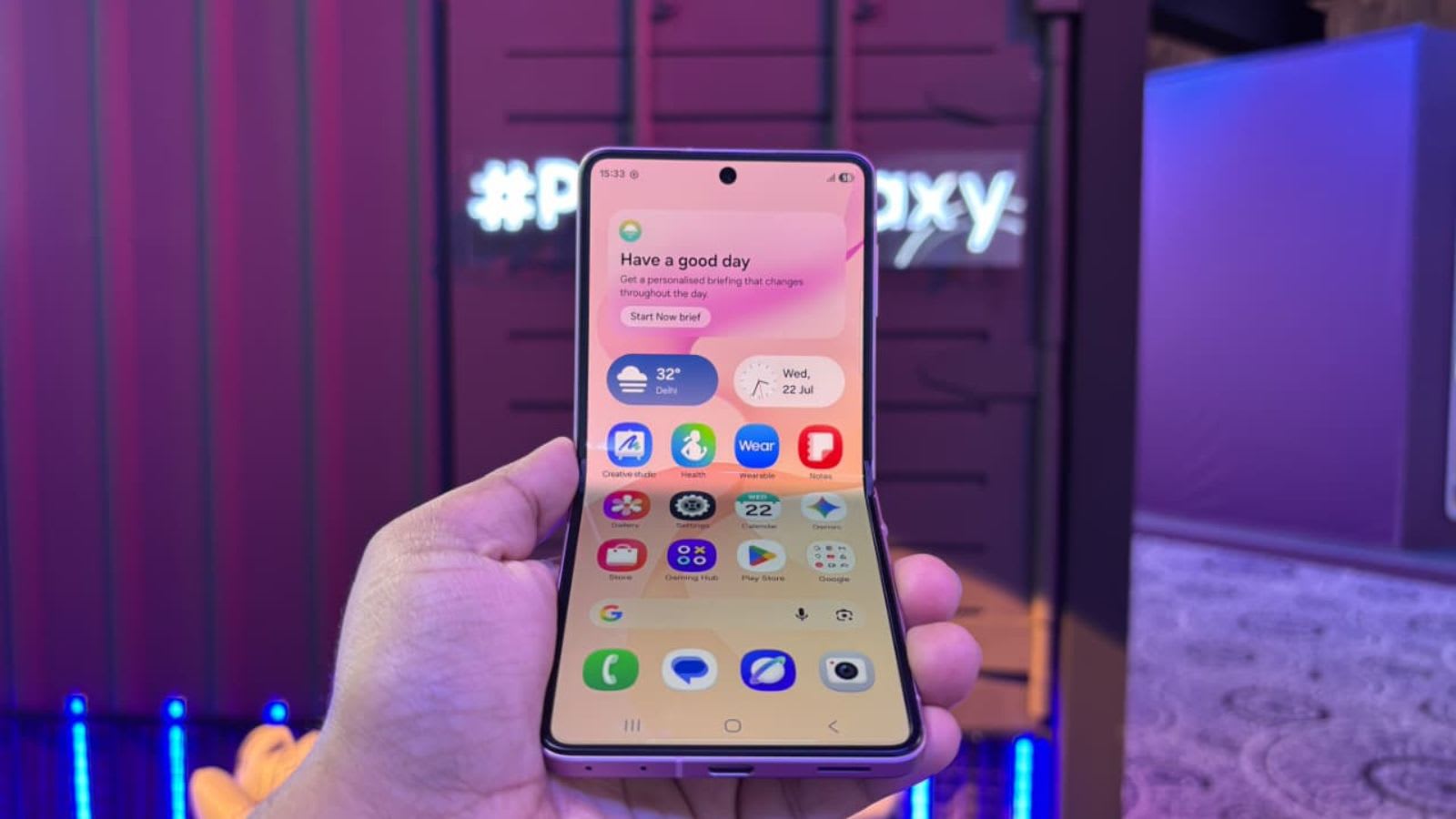
The once-booming market for clamshell-style foldable smartphones is cooling as consumer interest shifts toward larger book-style foldables. While the 2019 Motorola Razr revival sparked a brief industry scramble, Samsung now remains the primary player in a shrinking flip phone segment.
The Rise and Stagnation of the Clamshell Foldable
The landscape of mobile innovation has undergone a dramatic shift since 2019, when the reintroduction of the Motorola Razr ignited a wave of nostalgia-driven design. This device, featuring a revolutionary internal foldable OLED display, proved that manufacturers could successfully marry iconic 2000s form factors with modern smartphone capabilities. It effectively launched a market segment that promised to solve the 'oversized phone' problem by shrinking a standard handset into a pocketable clamshell.
The Competitive Scramble
Following the Razr's initial success, the industry saw an aggressive surge of interest. Major tech giants including Samsung, Oppo, Vivo, and Xiaomi raced to capitalize on the trend, aiming to capture a slice of what was perceived as a lucrative 'nostalgia pie.' These companies invested heavily in hinge mechanics and flexible display technologies, hoping that the flip phone would become a staple of the premium smartphone market rather than a niche novelty.
A Shift in Consumer Priorities
Despite the initial enthusiasm, the market momentum has noticeably slowed. The current retail landscape reflects this cooling, with Samsung’s Galaxy Z Flip 8 standing as one of the few prominent examples still receiving significant attention. The absence of diverse competition suggests that consumers are no longer prioritizing the compact clamshell form factor, potentially favoring the increased productivity and screen real estate offered by book-style foldable devices instead.
The Decline of the Budget Foldable
Further evidence of this market contraction can be seen in the lack of follow-through on budget-friendly initiatives. Samsung’s attempt to democratize the technology through the Galaxy Z Flip FE series has stalled, with no recent successors released to expand the user base. This lack of growth in the mid-range segment indicates that manufacturers are struggling to justify the production costs of foldable screens for lower-priced devices, focusing their resources on more expensive, high-margin models.
Future Outlook for Foldable Tech
The current state of the market suggests that the flip phone may be transitioning from a mainstream consumer trend to a specialized product category. As the industry matures, manufacturers are likely to pivot their R&D toward book-style foldables, which offer a more distinct value proposition over traditional glass-slab smartphones. While the clamshell design remains a marvel of engineering, its future as a 'fashionable' mass-market device appears increasingly uncertain in a tech world that currently prizes screen size and multitasking utility above portability.