Man lists rare hawksbill turtle shell for $2,700, gets felony charge
Source Entity
TOI WORLD DESK
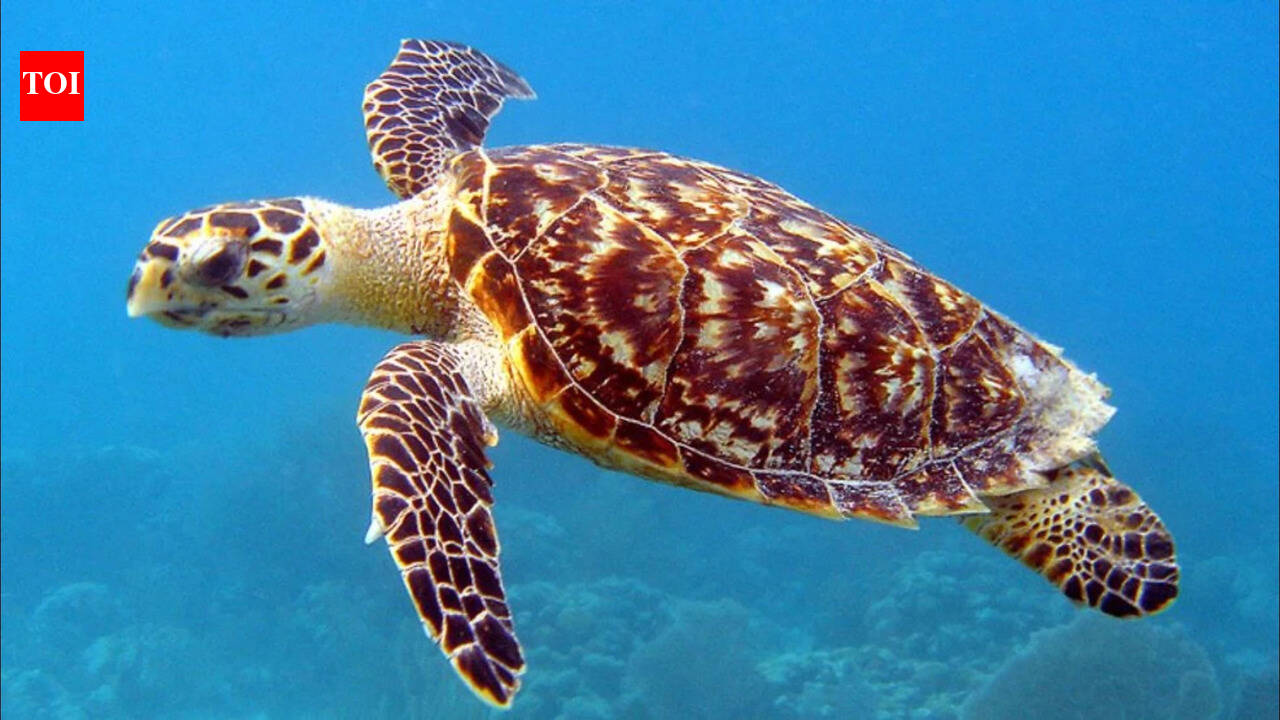
A Florida man faced a felony wildlife charge after listing a rare turtle shell online. The item was identified as belonging to a protected Atlantic hawksbill sea turtle. Wildlife officers investigated the Facebook Marketplace listing and located the shell in a residence. The man was charged for offering to sell part of a protected marine species. This endangered turtle faces threats from fishing gear and habitat loss.
Illegal Wildlife Trade in the Digital Age: The Hawksbill Shell Case
In a striking example of the intersection between modern e-commerce and wildlife crime, a Florida man now faces felony charges after attempting to sell a rare Atlantic hawksbill sea turtle shell for $2,700 on Facebook Marketplace. The incident underscores the persistent demand for endangered species' remains and the increasing capability of law enforcement to monitor digital marketplaces to protect biodiversity. The operation, which culminated in the seizure of the shell from the suspect's residence, serves as a stark reminder that the trade of protected marine species carries severe legal consequences.
The Legal Framework and Wildlife Protection
The felony charge levied against the individual is rooted in stringent state and federal laws designed to eliminate the commercial incentive for poaching. In the United States, the Endangered Species Act (ESA) and various state-level wildlife regulations prohibit the sale, offer for sale, or transport of protected species. By listing the shell online, the suspect committed a crime the moment the offer was made public, regardless of whether a transaction was completed. This legal approach is intended to dismantle the black market by making the mere act of advertising these items a high-risk endeavor, thereby discouraging collectors from seeking out illegal wildlife artifacts.
Understanding the Atlantic Hawksbill Turtle
To understand the gravity of this crime, one must look at the biological and ecological significance of the Atlantic hawksbill sea turtle. These creatures are critically endangered and play a vital role in maintaining the health of coral reef ecosystems by feeding on sponges, which prevents sponges from overgrowing and suffocating the reefs. The hawksbill is specifically targeted by poachers because of its beautiful, patterned shell, which is often crafted into 'tortoiseshell' jewelry and ornaments. This historical demand has driven the species to the brink of extinction, making any attempt to monetize their remains a direct blow to global conservation efforts.
Digital Marketplaces as Law Enforcement Tools
This case highlights a shifting trend in how wildlife crimes are detected. Previously, the illegal trade in shells, ivory, and exotic skins occurred in the shadows of clandestine networks. However, the rise of platforms like Facebook Marketplace has brought this trade into the open. While these platforms provide a veil of anonymity for some, they also provide a digital trail for wildlife officers. The ability for investigators to track listings in real-time allows for targeted raids and evidence collection that was previously impossible, turning the very tools used by traffickers into instruments of their own downfall.
Broader Implications for Marine Conservation
The seizure of this shell is more than just a local police matter; it is a victory for marine conservation. The Atlantic hawksbill faces a multitude of anthropogenic threats, including entanglement in fishing gear, habitat loss due to coastal development, and climate change affecting nesting beaches. When individuals attempt to sell these shells, they fuel a market that encourages the killing of living animals. By aggressively prosecuting these cases, authorities send a clear message that the 'collector's value' of a shell does not outweigh the ecological value of a living species.
Conclusion: A Warning to the Illegal Trade
Ultimately, the felony charge against the Florida man serves as a cautionary tale for those who believe the digital world offers a safe harbor for illegal commerce. The combination of specialized wildlife enforcement and the inherent transparency of social media listings is creating a hostile environment for wildlife traffickers. As global efforts to protect the oceans intensify, the transition from treating these incidents as minor infractions to pursuing felony charges reflects a growing societal and legal intolerance for the exploitation of the planet's most vulnerable species.