Exclusive: Why Israel Scrambled Jets To Tackle flydubai Plane Hijack Scare
Source Entity
NDTV News Search Records Found 1000
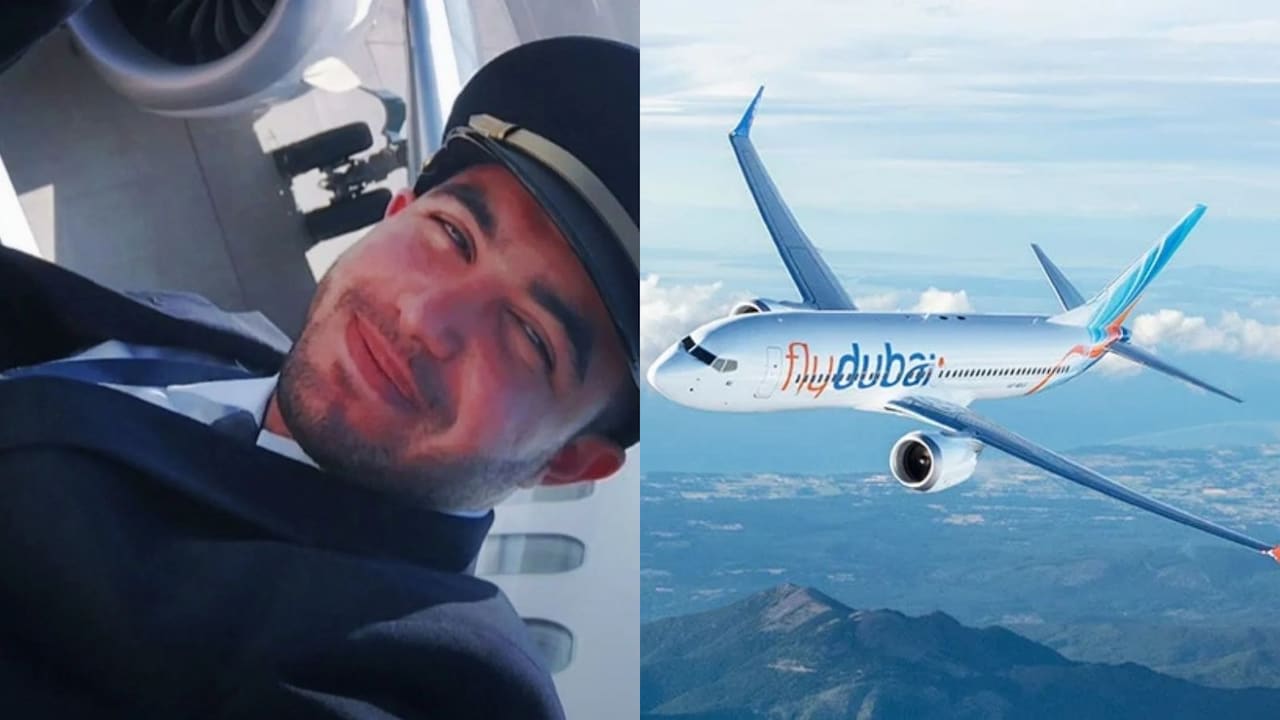
Israeli jets were scrambled in response to a potential hijack threat involving a flydubai flight. The incident centers on allegations that the Omani co-pilot attempted to deliberately crash the aircraft.
The flydubai Security Crisis: An Analysis of the Hijack Scare
Recent reports have confirmed an alarming aviation security incident involving a flydubai flight, which necessitated the immediate scrambling of Israeli fighter jets. The operation was triggered by a grave security alert suggesting that the aircraft was at risk of being hijacked or intentionally compromised. This rare and high-stakes intervention underscores the extreme measures air forces must take when internal cockpit security is compromised, particularly when the threat is perceived to originate from within the flight crew itself.
The Allegations Against the Co-pilot
At the heart of this volatile situation are serious accusations leveled against the Omani co-pilot. Reports indicate that the individual is suspected of attempting to crash the plane. Such allegations represent a catastrophic breach of aviation safety protocols, as pilots are entrusted with the absolute security of their passengers and crew. The transition from a routine commercial flight to a potential suicide-homicide scenario creates an incredibly complex tactical challenge for ground controllers and intercepting pilots alike.
Tactical Response and Air Sovereignty
When a commercial airliner becomes a potential weapon, military intervention is often the final line of defense. The decision to scramble fighter jets is never taken lightly, as it involves significant geopolitical implications and the risk of collateral damage. In this instance, the Israeli military’s rapid deployment was likely aimed at intercepting the aircraft before it could enter sensitive airspace or deviate further from its flight path, serving as a visual deterrent and a means to force compliance or gather real-time intelligence on the cockpit's status.
Implications for Aviation Security
This incident highlights a critical vulnerability in the modern aviation industry: the 'insider threat.' While post-9/11 security measures have focused heavily on screening passengers and cargo, the vetting and mental health monitoring of flight crew members remain areas of ongoing scrutiny. The possibility that a co-pilot could attempt to down an aircraft raises difficult questions for international airlines regarding psychological evaluations and the necessity of maintaining strict 'two-person' cockpit rules at all times.
Geopolitical and Regional Context
The involvement of an Omani national and the subsequent response by Israeli forces adds a layer of regional complexity to the event. Aviation incidents involving cross-border security concerns often require delicate diplomatic coordination, even in the heat of a crisis. This event serves as a stark reminder of how quickly regional tensions can manifest in the skies, necessitating robust communication channels between air traffic control centers across the Middle East.
Future Trends and Safety Oversight
Looking ahead, this incident will likely lead to a comprehensive review of pilot training and cockpit security protocols by global aviation authorities. We can expect increased pressure on airlines to implement more rigorous, ongoing psychological monitoring of flight crews. Furthermore, the reliance on military interception as a response to cockpit-originated threats suggests that air forces will continue to refine their rapid-response capabilities to handle unconventional aerial dangers in an increasingly unpredictable security landscape.
Verification Required?