Saudi Arabia's Riyadh airport hit by second Houthi strike in two days
Source Entity
BBC News
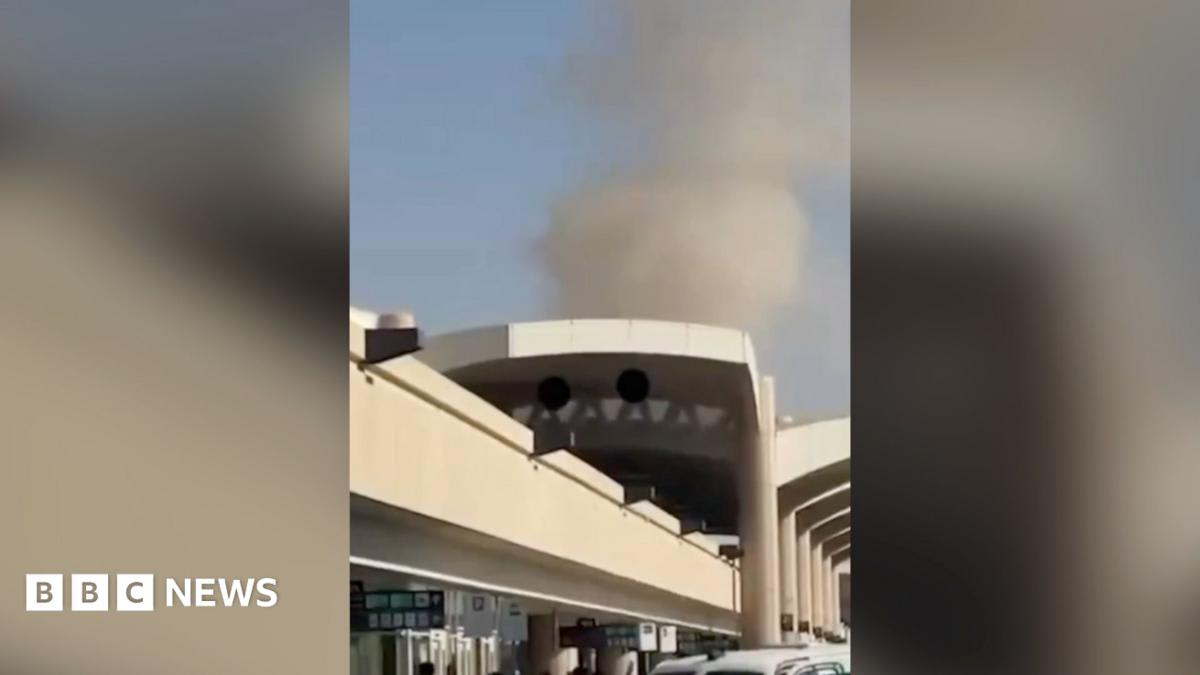
King Khalid International Airport in Riyadh was evacuated and operations suspended following a missile strike by Yemen's Iran-backed Houthi rebels. The attack caused multiple injuries and follows a recent surge in violence linked to the broader Iran war.
Escalation at King Khalid International Airport
Recent reports confirm a severe security incident at King Khalid International Airport in Riyadh, Saudi Arabia, where a missile strike resulted in multiple injuries and forced an immediate suspension of air traffic. The attack, attributed to Yemen’s Iran-backed Houthi rebels, marks a significant escalation in the regional conflict. Emergency services, including over a dozen ambulances, were deployed to the scene as smoke and flames were observed rising from the terminal, leading to a full-scale evacuation of passengers and staff.
Context of Regional Instability
This incident is not an isolated event but rather part of a troubling pattern of violence that has intensified in recent days. The attack occurred just two days after three Saudi Arabian citizens, including a pilot, were killed in a separate strike. These events underscore the worsening security situation in the region, which observers increasingly link to the broader tensions associated with the Iran war. The repeated targeting of critical infrastructure like the Riyadh airport suggests a strategic shift in the tactics employed by Houthi forces.
Operational Impact and Global Response
As a direct consequence of the strike, airport operations have been completely halted, leading to widespread flight cancellations and significant logistical disruption. The severity of the situation has prompted the United States and United Kingdom embassies to issue urgent security alerts for their citizens in the region. These warnings reflect the growing concern among international stakeholders regarding the safety of civilian infrastructure amidst ongoing military aggression.
The Resilience of Saudi Infrastructure
Despite the heightened security environment and the physical damage sustained at the airport, there is a notable attempt to maintain normalcy in other sectors. Reports indicate that at least two major Saudi conferences are slated to proceed as planned, suggesting a government effort to demonstrate resilience and continuity despite the persistent threat of missile attacks. This juxtaposition of high-level economic planning and active combat zones highlights the complex reality of the current geopolitical climate in Saudi Arabia.
Future Implications and Security Outlook
Looking ahead, the reliance on missile strikes against civilian-adjacent targets signifies a dangerous phase in the conflict. As the Houthi movement continues to challenge Saudi security, the international community will likely face increased pressure to intervene or mediate to prevent further loss of life. The recurring nature of these attacks at the King Khalid International Airport suggests that future air travel in the region will remain vulnerable until a sustainable de-escalation strategy is implemented. The ability of the Saudi-led coalition to intercept these threats remains a critical factor in determining the long-term stability of the capital.
Multiple Citing Sources