Trump declares 'energy ceasefire' between Russia and Ukraine; Zelenskyy is waiting for details
Source Entity
US Top News and Analysis
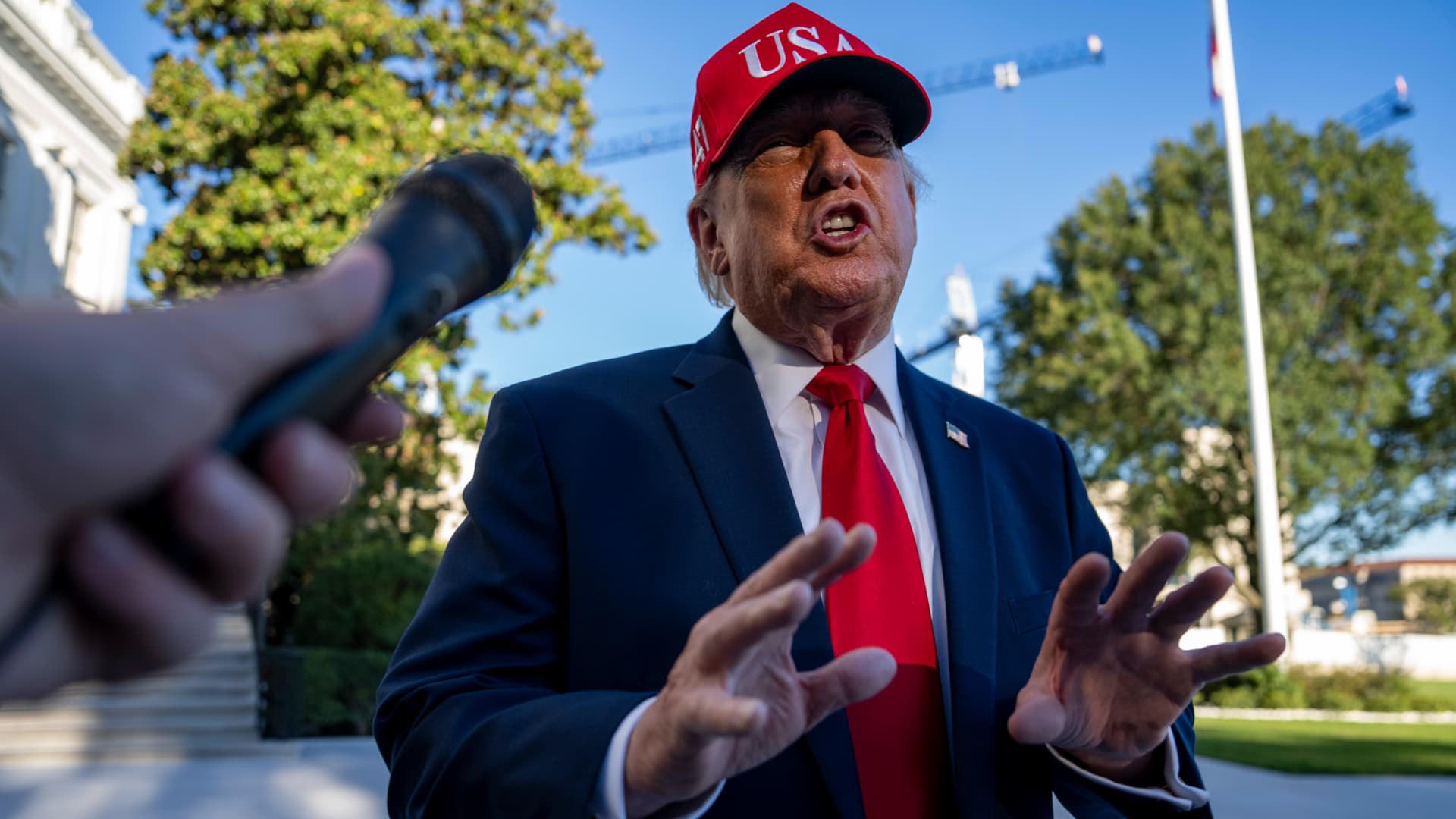
Donald Trump has publicly criticized Ukrainian President Volodymyr Zelenskyy following reports of a U.S. deal involving Russian diesel. This friction highlights growing tensions regarding the economic policies and geopolitical strategies surrounding the ongoing war in Ukraine.
The Growing Rift: Trump, Zelenskyy, and the Diesel Dispute
Recent statements from Donald Trump have signaled a significant escalation in tensions regarding the leadership of Ukraine. Trump has publicly stated that it is time for Ukraine to see a change in its presidency, a remark that arrives in the immediate wake of reports regarding a diesel deal involving Russia. This development marks a volatile intersection between domestic U.S. energy policy and the complex, ongoing geopolitical conflict in Eastern Europe.
The Mechanics of the Diesel Deal
At the center of this controversy is an arrangement concerning the release of Russian diesel into the American market. Reports indicate that this deal, which Trump claims to have secured, has faced direct condemnation from President Volodymyr Zelenskyy. The Ukrainian administration has voiced strong opposition, arguing that such economic concessions to Moscow effectively provide financial support for Russia’s military operations, thereby undermining the international sanctions regime intended to isolate the Kremlin.
Geopolitical Implications
The friction between these two figures underscores a deepening divergence in strategy. While the current U.S. administration and its allies have largely focused on restricting Russian revenue streams—particularly in the energy sector—the prospect of a pivot toward easing diesel curbs suggests a recalibration of priorities. For Ukraine, any move that facilitates Russian exports is viewed as a strategic setback, as the revenue generated from such energy sales is critical to sustaining the Russian war economy.
The Rhetoric of Leadership Change
Trump’s assertion that Ukraine requires new leadership represents a blunt departure from standard diplomatic decorum. By questioning the tenure of President Zelenskyy, Trump is signaling a potential shift in the Republican approach to the conflict. This rhetoric suggests that if the U.S. were to change its executive leadership, the alignment with Kyiv might be fundamentally restructured, shifting away from the unconditional support model that has characterized the last several years of the conflict.
Economic vs. Military Objectives
This situation highlights the inherent tension between U.S. domestic economic interests and foreign policy commitments. The prioritization of diesel availability—likely aimed at stabilizing energy prices for American consumers—directly conflicts with the Ukrainian government's efforts to keep Russia economically stifled. This trade-off between domestic inflation control and the maintenance of a unified anti-Russia coalition is becoming a defining feature of the discourse surrounding the war.
Future Outlook
As the war continues to drain resources and shape global markets, the debate over energy deals with Russia will likely intensify. The disagreement between Trump and Zelenskyy serves as a preview of the potential friction points in future U.S.-Ukraine relations. Should the policy of easing diesel curbs continue, it could lead to further alienation of the Ukrainian leadership and force a broader reassessment of the international consensus on how to effectively pressure Moscow without destabilizing global energy supplies.
Multiple Citing Sources